✓ Medi-Cal is California's Medicaid program, providing free or low-cost health coverage.
✓ It covers a wide range of essential health benefits, including doctor visits, hospital stays, and prescriptions.
✓ Eligibility is primarily based on income, family size, and residency in California.
✓ Many services require prior authorization, even if generally covered.
How It Works
1
Determine Eligibility
Check if your income and family size meet Medi-Cal guidelines. You can use online tools or contact your local county social services office for assistance.
2
Apply for Coverage
Submit an application online, by mail, by phone, or in person. Be prepared to provide documentation such as proof of income, residency, and identity.
3
Choose a Health Plan
Once approved, you'll typically choose a Medi-Cal managed care plan in your county. This plan will coordinate your healthcare services and provider network.
4
Access Your Benefits
Start utilizing your Medi-Cal coverage for doctor visits, prescriptions, and other covered services. Always confirm with your provider that they accept your Medi-Cal plan.
Understanding the Core Medi-Cal Benefits Package
Photo: Charlss GonzHu / Pexels
Medi-Cal, California's Medicaid program, is designed to provide comprehensive health coverage to eligible low-income Californians. The array of services it covers is extensive, aiming to address both preventative and acute healthcare needs. At its core, Medi-Cal ensures access to essential health benefits, which are categories of services that all health plans must cover under the Affordable Care Act (ACA). This foundation includes ambulatory patient services, which encompass outpatient care you receive without being admitted to a hospital, such as doctor's office visits, specialist consultations, and urgent care. It also covers emergency services, ensuring that life-threatening conditions are addressed without delay, regardless of a patient's ability to pay at the time of service. Hospitalization is another critical component, covering inpatient care, surgery, and related services when you need to be admitted to a hospital. This means that if you require an operation, treatment for a serious illness, or childbirth services, Medi-Cal will typically cover the costs associated with your stay and medical procedures.
Beyond these foundational elements, Medi-Cal extends its coverage to mental health and substance use disorder services. This is a vital area, as behavioral health is increasingly recognized as integral to overall well-being. Services can include counseling, therapy, medication management for mental health conditions, and various forms of treatment for substance abuse. Prescription drugs are also a key part of the Medi-Cal benefits package, ensuring that beneficiaries can afford necessary medications prescribed by their healthcare providers. The specific formulary (list of covered drugs) can vary by managed care plan, but a broad range of essential medications is typically included. Rehabilitative and habilitative services are covered as well; these services help people recover from injuries, disabilities, or chronic conditions, or acquire skills they haven't developed. This can include physical therapy, occupational therapy, and speech-language pathology.
Laboratory services and X-rays are routinely covered, providing essential diagnostic tools for healthcare providers to accurately diagnose and monitor conditions. Preventative and wellness services, along with chronic disease management, are emphasized, promoting proactive health and helping individuals manage long-term conditions effectively. This includes screenings, immunizations, and counseling to prevent disease. Pediatric services, including oral and vision care, are specifically highlighted for children, ensuring they receive comprehensive care from an early age. This focus on children's health is crucial for their development and long-term well-being. Understanding these core benefits is the first step in maximizing your Medi-Cal coverage. It's important to remember that while these services are generally covered, specific details can vary based on your chosen Medi-Cal managed care plan and whether certain services require prior authorization. For more detailed information on specific medical procedures, you might consult resources like understanding medical billing to better comprehend how these services are categorized and processed.
Specialized Healthcare Services and Programs Under Medi-Cal
Photo: Towfiqu barbhuiya / Pexels
Beyond the core essential health benefits, Medi-Cal offers a robust array of specialized services and programs designed to meet the diverse needs of its beneficiaries across California. One significant area is dental care, provided through the Denti-Cal program. Denti-Cal covers a wide range of dental services for both children and adults, including examinations, X-rays, cleanings, fillings, root canals, dentures, and emergency dental care. The extent of adult dental benefits has expanded in recent years, recognizing the crucial link between oral health and overall systemic health. For children, comprehensive dental care is a standard benefit.
Vision care is another important specialized service. Medi-Cal typically covers eye exams for all beneficiaries, and eyeglasses are covered for children and often for adults, though with certain limitations or frequencies. Regular eye exams are vital for detecting vision problems and underlying health conditions early. For individuals with disabilities or chronic conditions, Medi-Cal provides extensive support. This includes durable medical equipment (DME) such as wheelchairs, oxygen tanks, and hospital beds, when medically necessary and prescribed by a physician. It also covers prosthetic and orthotic devices, helping individuals regain function and mobility.
Long-term care services are a critical component for many elderly and disabled beneficiaries. This can include nursing facility services, home health services, and various home and community-based services (HCBS) that allow individuals to receive care in their own homes or communities rather than institutions. These programs aim to support independent living and improve quality of life. For pregnant individuals, Medi-Cal offers comprehensive maternity care, covering prenatal care, delivery services, and postpartum care. This ensures that expectant mothers receive the necessary medical attention throughout their pregnancy and after childbirth, promoting healthy outcomes for both mother and baby.
Family planning services are also a covered benefit, providing access to contraception, counseling, and related medical services to help individuals plan their families. This includes a variety of birth control methods and reproductive health screenings. Transportation to medical appointments is often available through Medi-Cal, particularly for those who have no other means of getting to necessary healthcare services. This removes a significant barrier to accessing care for many beneficiaries.
It's important to note that access to some specialized services may require a referral from a primary care provider or prior authorization from your Medi-Cal managed care plan. Beneficiaries should always confirm coverage details with their specific plan or provider to understand the scope and limitations of these specialized services. The breadth of these specialized offerings underscores Medi-Cal's commitment to providing holistic healthcare solutions to its diverse population.
Navigating Specific Coverage Details and Limitations of Medi-Cal
Photo: Souvik Bhowmik / Pexels
While Medi-Cal offers extensive coverage, understanding the nuances of what is covered and potential limitations is crucial for beneficiaries to effectively utilize their benefits. One of the primary considerations is the concept of 'medical necessity.' For almost all services to be covered, they must be deemed medically necessary by a healthcare professional, meaning the service is required to diagnose, treat, or prevent an illness, injury, condition, or its symptoms. Services considered elective or cosmetic are generally not covered. This medical necessity determination can sometimes lead to denials if the service is not clearly justified by clinical evidence.
Prior authorization is another significant aspect of navigating Medi-Cal coverage. Many services, especially specialized treatments, expensive medications, certain types of therapy, or non-emergency procedures, require approval from your Medi-Cal managed care plan before you receive them. Without prior authorization, you could be responsible for the full cost of the service. Your healthcare provider typically handles the prior authorization process, but it's always wise for beneficiaries to be aware of whether a service they need requires it. This process can sometimes cause delays in receiving care, so early planning with your provider is beneficial.
Each Medi-Cal managed care plan has its own network of providers, including doctors, specialists, hospitals, and pharmacies. You must generally receive care from providers within your plan's network, except in emergencies. Going out-of-network for non-emergency care may result in you paying the full cost. It’s essential to confirm that your preferred doctors and hospitals are part of your plan's network when you enroll and before making appointments. This can be checked through your plan's website or by calling their member services.
There are also limitations on the frequency or quantity of certain services. For example, there might be limits on the number of therapy sessions per year, the quantity of certain prescription refills, or the frequency of dental cleanings. While these limits are designed to ensure appropriate utilization, they can sometimes affect individuals with higher needs. Beneficiaries should consult their plan's Evidence of Coverage (EOC) or call member services for specifics.
Furthermore, while Medi-Cal is often free for eligible individuals, some beneficiaries may have small co-payments for certain services, such as prescription drugs or doctor visits. However, federal law protects certain vulnerable groups, like children and pregnant women, from co-payments. It's important to clarify any potential co-payments with your plan.
Understanding your rights and how to appeal a denial of services is also vital. If Medi-Cal denies coverage for a service, you have the right to appeal that decision. The notice of denial will typically outline the steps for filing an appeal. This process allows beneficiaries to challenge decisions they believe are incorrect. For those seeking to better understand their medical costs and coverage, exploring resources like how to understand medical bills can provide valuable insights into the financial aspects of healthcare and how Medi-Cal processes payments.
Maximizing Your Medi-Cal Benefits: Tips and Common Pitfalls
Photo: Gustavo Fring / Pexels
To get the most out of your Medi-Cal coverage and avoid common frustrations, a proactive approach is key. Here are essential tips and pitfalls to be aware of:
**Tips for Maximizing Your Benefits:**
* **Choose Your Plan Wisely:** If you have multiple managed care plans available in your county, research them. Look at provider networks, covered services, and member reviews. A plan with providers you prefer or services you frequently need can make a big difference.
* **Understand Your Plan's Formulary:** If you take regular medications, check your plan's drug formulary to ensure your prescriptions are covered. If not, discuss alternatives with your doctor and plan.
* **Establish a Primary Care Provider (PCP):** Your PCP is your main point of contact for most of your healthcare needs. They can provide referrals to specialists, coordinate your care, and help navigate the system, ensuring you get necessary authorizations.
* **Keep Your Information Updated:** Report any changes in income, household size, or contact information to your county social services agency promptly. This ensures your eligibility remains current and you don't experience lapses in coverage.
* **Know Your Rights:** Familiarize yourself with beneficiary rights, including the right to appeal denied services or grievances about care. Your plan's member services can provide this information.
* **Utilize Preventative Care:** Take advantage of free preventative services like annual check-ups, screenings, and immunizations. These can catch health issues early, often preventing more serious and costly problems down the line.
* **Ask Questions:** Don't hesitate to ask your doctor, clinic staff, or your Medi-Cal plan's member services about what is covered, what requires prior authorization, or how to access specific services.
**Common Pitfalls to Avoid:**
* **Assuming Everything is Covered:** While comprehensive, Medi-Cal has limits. Always confirm coverage for specific services, especially specialized treatments or non-routine items, before receiving care.
* **Going Out-of-Network for Non-Emergencies:** Receiving care from a provider outside your plan's network for non-urgent situations can leave you responsible for the entire bill. Always verify a provider is in-network.
* **Ignoring Prior Authorization Requirements:** Not obtaining proper authorization for services that require it is a leading cause of unexpected bills. Ensure your provider handles this or confirm it has been done.
* **Not Renewing Eligibility:** Medi-Cal requires periodic redetermination of eligibility. Missing deadlines or not submitting requested documentation can lead to a loss of coverage.
* **Not Understanding Your Medical Bills:** Even with Medi-Cal, it's good practice to review any Explanation of Benefits (EOB) you receive. If something looks incorrect, question it with your provider or plan.
* **Delaying Care:** Postponing necessary medical care due to uncertainty about coverage can lead to worsening conditions and more complex, expensive treatments later on. If you need care, seek it and then clarify coverage.
By staying informed and proactive, you can navigate the Medi-Cal system effectively and fully benefit from the extensive healthcare services it provides.
Comparison
Feature
Medi-Cal (Managed Care)
Private Health Insurance (HMO)
Private Health Insurance (PPO)
Monthly Premiums
Often $0
Moderate to High
Moderate to High
Provider Network
Specific to county/plan
Limited to HMO network
Broader, includes out-of-network (higher cost)
Referral for Specialists
Often required
Typically required
Often not required
Co-pays/Deductibles
Often $0 or very low
Vary, can be high
Vary, can be high
Eligibility Basis
Income/Family Size
Employment/Purchase
Employment/Purchase
Coverage Scope
Comprehensive
Comprehensive
Comprehensive
What Readers Say
★★★★★
"Thanks to Medi-Cal, I was able to get essential prenatal care and have a healthy delivery without worrying about the massive costs. Everything from my regular check-ups to the hospital stay was covered, which was a huge relief for my family."
Maria S. · Los Angeles, CA
★★★★★
"My son needed extensive dental work, and Denti-Cal covered all the necessary procedures, including fillings and extractions. It's incredible to have access to such comprehensive dental benefits for children."
David C. · Oakland, CA
★★★★★
"When I lost my job, Medi-Cal stepped in to cover my chronic condition medications and regular doctor visits. It truly saved me from a financial crisis and allowed me to continue managing my health effectively."
Sarah L. · San Diego, CA
★★★★★
"While Medi-Cal has been a lifesaver for my general medical needs, navigating the prior authorization for a specific physical therapy course was a bit challenging. Once approved, the care was excellent, but it took some persistence."
Robert K. · Sacramento, CA
★★★★★
"I rely on Medi-Cal for my mental health services, including therapy and medication management. It has made a significant difference in my well-being, providing access to care I couldn't otherwise afford."
Jessica M. · Fresno, CA
Frequently Asked Questions
What are the primary services covered by Medi-Cal?
Medi-Cal covers a broad range of essential health benefits, including doctor visits, hospital stays, prescription drugs, mental health services, substance use disorder treatment, lab tests, X-rays, preventative care, and maternity care. It also includes specialized services like dental (Denti-Cal) and vision care for eligible individuals.
Will Medi-Cal cover specialist visits, like seeing a dermatologist or cardiologist?
Yes, Medi-Cal generally covers specialist visits when medically necessary. Typically, you will need a referral from your primary care provider (PCP) to see a specialist, and in some cases, prior authorization from your Medi-Cal managed care plan may also be required before the visit.
How do I find a doctor or hospital that accepts Medi-Cal?
Once you are enrolled in a Medi-Cal managed care plan, you can find in-network providers by checking your plan's online provider directory or by calling their member services line. It's crucial to confirm that any provider you plan to see accepts your specific Medi-Cal plan.
Are there any costs associated with Medi-Cal, like premiums or co-pays?
For most eligible individuals, Medi-Cal coverage is free, meaning no monthly premiums. Some beneficiaries may have very small co-payments for certain services, such as prescription drugs or doctor visits, but many vulnerable groups are exempt from these co-pays.
How does Medi-Cal compare to Medicare in terms of coverage?
Medi-Cal (Medicaid) provides health coverage for low-income individuals and families, while Medicare is primarily for people aged 65 or older, or those with certain disabilities. While both are government programs, their eligibility criteria and specific benefits differ, though some individuals may qualify for both (Medi-Medi).
Who is eligible for Medi-Cal coverage?
Eligibility for Medi-Cal is primarily based on income and family size, along with California residency. It covers a wide range of individuals, including children, pregnant individuals, adults, families, and persons with disabilities who meet the income thresholds. Specific programs exist for different populations.
Does Medi-Cal cover emergency room visits?
Yes, Medi-Cal covers emergency room visits for true medical emergencies, regardless of whether the hospital is in your plan's network. In a life-threatening situation, you should always seek immediate care. For non-emergencies, it's best to visit an in-network urgent care center or your PCP.
What is the future outlook for Medi-Cal coverage in California?
Medi-Cal is continuously evolving to meet the healthcare needs of Californians. Recent trends include expanding coverage for behavioral health services, addressing social determinants of health, and integrating care more seamlessly. The program aims to adapt to changing demographics and healthcare demands to ensure comprehensive access.
Understanding what is covered by Medi-Cal is the first step toward taking control of your health. Explore the full scope of benefits, confirm your eligibility, and connect with resources to ensure you and your family receive the essential healthcare you deserve through California's vital Medi-Cal program.

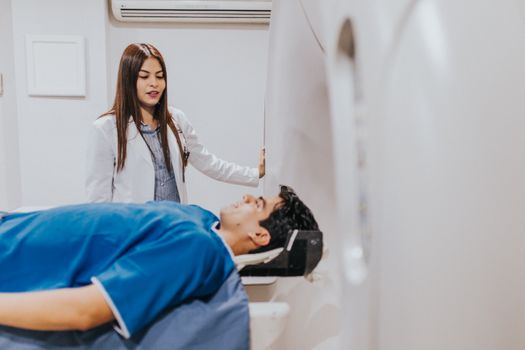 Photo: Charlss GonzHu / Pexels
 Photo: Towfiqu barbhuiya / Pexels
 Photo: Souvik Bhowmik / Pexels
 Photo: Gustavo Fring / Pexels