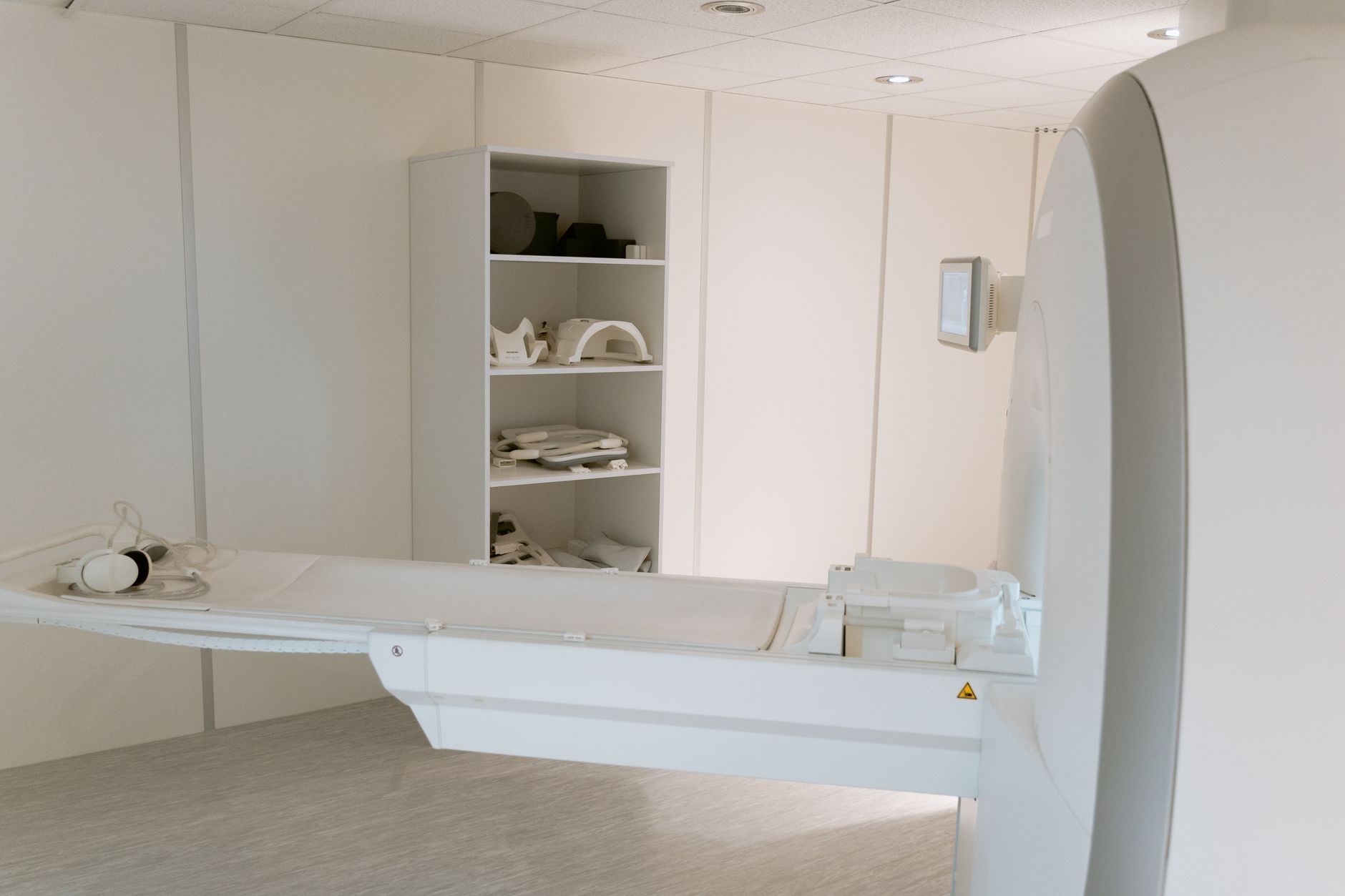
Understanding the Cost of MRI Scan California
cost of MRI scan California

Understanding the Cost of MRI Scan California

Navigate the complexities of MRI pricing in California and find clear, actionable strategies to manage your healthcare expenses.

Get Your MRI Cost Estimate

Key Takeaways

  • ✓ MRI costs in California can range from $300 to over $6,000, varying widely by facility and body part.
  • ✓ Insurance coverage significantly impacts out-of-pocket expenses, with deductibles and co-pays being key factors.
  • ✓ Cash pay and self-pay options often offer substantial discounts compared to billed insurance rates.
  • ✓ Comparing prices between imaging centers, hospitals, and outpatient clinics is crucial for cost savings.

How It Works

1
Receive a Referral

Your doctor will determine if an MRI is necessary and provide a referral, specifying the type of MRI and the body part to be scanned. This referral is essential for scheduling and insurance processing.

2
Research and Compare Providers

Armed with your referral, research imaging centers, hospitals, and outpatient clinics in your area. Obtain quotes for the specific MRI procedure, asking about both insured and cash prices.

3
Verify Insurance Coverage

Contact your insurance provider to understand your benefits, deductible status, co-pay, and co-insurance for diagnostic imaging. Pre-authorization may be required by your insurer.

4
Schedule and Prepare

Once you've chosen a provider and understood the costs, schedule your MRI. Follow all pre-scan instructions, such as fasting or avoiding certain medications, to ensure accurate results.

Unpacking the Variables: What Influences MRI Scan Costs in California?
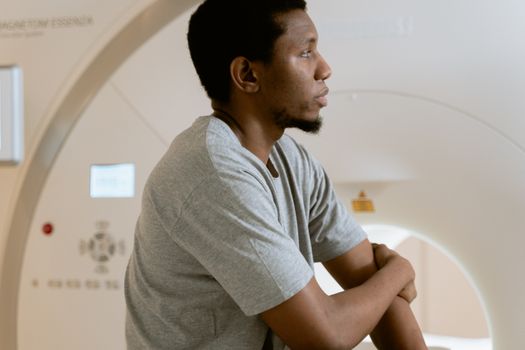
A man sits before a CT scanner, preparing for a medical examination, conveying a sense of anticipation. Photo: MART PRODUCTION / Pexels
The cost of an MRI scan in California is not a fixed number; it's a dynamic figure influenced by a multitude of factors, making it challenging for patients to predict their exact out-of-pocket expense without careful research. Understanding these variables is the first step toward navigating the financial landscape of diagnostic imaging. One of the most significant determinants is the type of facility where the MRI is performed. Hospitals, particularly large academic medical centers, typically have the highest overhead costs and, consequently, charge the most for MRI scans. This is often due to their comprehensive services, 24/7 emergency care, and advanced technology. On the other hand, standalone outpatient imaging centers or independent radiology clinics often offer significantly lower prices. These facilities specialize in diagnostic imaging, have lower operational costs, and sometimes pass those savings directly to the patient. It's not uncommon to see a price difference of several hundred to even a few thousand dollars for the exact same MRI procedure between a hospital and an outpatient center. Another crucial factor is the specific body part being scanned. An MRI of a knee or shoulder, for instance, might be less expensive than an MRI of the brain, spine, or abdomen. This is because complex scans, such as those requiring multiple sequences or specialized protocols, demand more radiologist time for interpretation and potentially longer scan times, which ties up expensive equipment. Furthermore, whether the MRI requires contrast material (gadolinium) will also affect the price. Contrast agents help enhance the visibility of certain tissues, blood vessels, or abnormalities, but they add to the overall cost due to the material itself and the additional medical personnel required for administration. Patients should always clarify if their prescribed MRI includes contrast and how that impacts the final price. Geographic location within California also plays a substantial role. Major metropolitan areas like Los Angeles, San Francisco, and San Diego generally have higher healthcare costs across the board, including MRI scans, compared to more rural or less densely populated regions. The cost of living, labor, and property in these urban centers contributes to higher operating expenses for medical facilities. Even within the same city, prices can vary dramatically from one zip code to another. Therefore, patients should be prepared to shop around not just by facility type but also by location. Lastly, the presence and type of insurance coverage are paramount. While insurance is designed to reduce out-of-pocket costs, the specifics of your plan—deductible, co-pay, co-insurance, and network status—will dictate your final bill. Many patients are surprised by high deductibles that mean they pay the full, often inflated, 'list price' until their deductible is met. Always verify your benefits and pre-authorization requirements with your insurance company before scheduling. For those without insurance or with high-deductible plans, negotiating a cash price can often lead to significant savings. Understanding these multifaceted influences empowers patients to make more informed decisions about their diagnostic imaging needs. Learning about medical billing practices can further help demystify these costs.

Navigating Insurance Coverage and Self-Pay Options for California MRIs

Professional woman wearing face mask holding insurance document, demonstrating safety and business. Photo: Mikhail Nilov / Pexels
Understanding how insurance impacts the cost of your MRI scan in California is critical, yet often confusing. Most health insurance plans, including PPOs, HMOs, and Medicare/Medi-Cal, cover medically necessary MRI scans. However, 'coverage' doesn't always mean 'free' or even 'cheap.' Patients are typically responsible for deductibles, co-pays, and co-insurance. A deductible is the amount you must pay out-of-pocket for healthcare services before your insurance plan starts to pay. If your deductible hasn't been met, you could be responsible for the full negotiated rate of the MRI. Co-insurance is a percentage of the cost you pay after your deductible is met, while your insurance pays the rest. For example, if your plan has an 80/20 co-insurance, you pay 20% of the covered amount. A co-pay is a fixed amount you pay for a service, often at the time of service, which usually applies after your deductible is met. It's crucial to contact your insurance provider directly to verify your specific benefits for diagnostic imaging, understand any pre-authorization requirements, and confirm if the imaging center is in-network. Out-of-network facilities can result in significantly higher costs or no coverage at all. For individuals without insurance or those with high-deductible plans, self-pay or cash-pay options can often present a more affordable route than going through insurance. Many imaging centers offer substantial discounts for patients who pay upfront with cash. These cash prices are typically much lower than the rates negotiated with insurance companies, which can sometimes be inflated. For example, a hospital might bill an insurance company $4,000 for an MRI, but offer a cash price of $800 to an uninsured patient. This disparity exists because insurance companies negotiate complex contracts with providers, and the billed amount is often a starting point for those negotiations. When considering a self-pay option, always ask for the 'all-inclusive' price, ensuring it covers the scan, the radiologist's interpretation fee, and any contrast material if needed. Don't be afraid to negotiate the price; many facilities are willing to work with patients, especially for upfront payments. Another strategy for managing costs is utilizing health savings accounts (HSAs) or flexible spending accounts (FSAs). These tax-advantaged savings accounts allow you to set aside pre-tax money for healthcare expenses, including MRI scans, effectively reducing your taxable income and providing a dedicated fund for medical costs. For those struggling to afford an MRI, inquire about payment plans directly with the imaging center or hospital. Many institutions offer interest-free installment plans to help ease the financial burden. Additionally, some non-profit organizations or state programs may offer financial assistance for diagnostic imaging, particularly for low-income individuals. Exploring these avenues thoroughly can significantly reduce the financial stress associated with obtaining a necessary MRI scan in California, making critical diagnostic care more accessible.

Strategies for Finding Affordable MRI Options in California

Heap of similar American dollars in cash placed near blisters of expensive drugs on white table Photo: www.kaboompics.com / Pexels
Finding an affordable MRI scan in California requires proactive research and a strategic approach, but the effort can lead to substantial savings. The first and most impactful strategy is to shop around and compare prices. Do not assume that all facilities charge the same amount. As previously discussed, prices can vary wildly between hospitals, outpatient imaging centers, and independent radiology clinics. Start by calling multiple facilities in your area that offer the specific MRI you need. When calling, be prepared with your doctor's order and specific CPT codes if available, as this ensures you're getting a quote for the exact same procedure. Ask for the 'all-inclusive' price, which should cover the technical fee (for the machine and staff) and the professional fee (for the radiologist's interpretation). If you have insurance, ask for both the insured rate (and what your estimated out-of-pocket will be) and the cash-pay rate, as sometimes the latter can be cheaper, especially if your deductible is high. Websites and apps dedicated to price transparency for healthcare services, such as Clear Health Costs, New Choice Health, or even direct inquiries to hospital price lists (which are now mandated to be public), can also be valuable resources. Secondly, consider location carefully. While it might be inconvenient, traveling a short distance to a neighboring town or a less urban area could result in significant cost reductions. Facilities in less expensive real estate markets often have lower overheads and can offer more competitive pricing. Additionally, inquire about any bundled pricing or promotions. Some imaging centers might offer discounts for multiple scans or for patients who pay in full at the time of service. It never hurts to ask if there are any current promotions or if they have a 'financial hardship' program, especially if you are uninsured or underinsured. Timing can also sometimes play a minor role; facilities might be more flexible with pricing during off-peak hours or if they have open slots they are looking to fill. Thirdly, always ensure your MRI is medically necessary and that you understand why your doctor has ordered it. While this doesn't directly impact the price, it ensures you are not undergoing an unnecessary procedure, which is the ultimate cost-saving measure. Discuss alternatives with your physician if you have concerns about the cost, though for many conditions, an MRI is the gold standard for diagnosis. Finally, leverage your doctor's office. They often have relationships with various imaging centers and might be able to recommend facilities known for competitive pricing or assist with navigating the pre-authorization process. Some doctors' offices even have preferred providers with whom they've negotiated rates. Don't underestimate the power of being an informed and proactive patient in managing your healthcare expenses. Understanding your patient rights can empower you in these conversations.

Avoiding Common Pitfalls and Maximizing Savings on Your MRI

Overhead view of woman organizing finances on bed with laptop and checks. Photo: cottonbro studio / Pexels
When seeking an MRI in California, several common pitfalls can lead to unexpected costs. Being aware of these can help you maximize your savings and avoid financial surprises. One major mistake is not getting a pre-authorization from your insurance company when required. Many insurers mandate pre-authorization for non-emergency diagnostic imaging. Failing to obtain this approval can result in your claim being denied, leaving you responsible for the entire bill. Always call your insurance provider to confirm if pre-authorization is needed and ensure it's in place before your appointment. Another pitfall is assuming that the first quote you receive is the final price or the best price. As discussed, prices vary significantly. Not shopping around and getting multiple quotes is a missed opportunity for savings. Similarly, not asking for an 'all-inclusive' price can lead to hidden costs. Some facilities might quote a technical fee but then surprise you with a separate bill from the radiologist for interpretation. Always confirm that the quoted price includes both the scan and the radiologist's professional fee, as well as any contrast material if applicable. Forgetting to factor in your deductible and co-insurance is another common error. Patients often focus solely on the co-pay, forgetting that if their deductible hasn't been met, they might owe a much larger sum. Always know your current deductible status before your scan. Additionally, being unaware of your insurance network can be costly. Out-of-network providers can charge significantly more, and your insurance may only cover a small portion or none of the cost. Double-check that the imaging center is in your plan's network. To maximize savings, consider these tips: * **Always ask for a cash discount:** Even with insurance, if your deductible is high, a cash price might be lower than your out-of-pocket responsibility. * **Negotiate:** Don't be afraid to ask for a lower price, especially if you're paying cash or facing a large bill. * **Review your bill carefully:** Mistakes happen. Scrutinize your final bill for accuracy, incorrect codes, or duplicate charges. * **Document everything:** Keep a record of who you spoke to, when, and what was discussed regarding pricing and insurance coverage. * **Explore patient assistance programs:** If financial hardship is a concern, inquire about programs offered by hospitals or non-profits. * **Consider a medical credit card:** For large, unexpected costs, a medical credit card with promotional interest-free periods could be an option, but use with caution. Avoiding these common pitfalls and implementing these tips can significantly reduce the financial burden of an MRI scan in California.

Comparison

FeatureOutpatient Imaging CenterHospital Radiology Dept.Urgent Care (Limited MRI)
Average Cost (non-contrast)$300 - $1,500$1,500 - $6,000+$800 - $2,500
Convenience/SpeedHighModerateHigh
Advanced EquipmentOften very goodExcellent, latest techBasic/Limited
Cash Pay DiscountsFrequently availableLess common, harder to negotiateSometimes available
Emergency Services✓ (for initial assessment)
Insurance AcceptanceMost plansAll major plansMost plans

What Readers Say

"I was dreading the cost of an MRI scan in California, but by calling three different outpatient centers, I found one offering a cash price of $750 for my knee MRI. It was significantly less than the hospital's quote of $2,800, and they were very transparent about what was included."

Sarah J. · Oakland, CA

"My insurance deductible was so high, I knew I'd be paying out of pocket. I followed the advice to ask for a self-pay rate and saved over $1,000 on my spine MRI compared to the billed insurance rate at a different facility. It pays to ask!"

David M. · San Diego, CA

"After my doctor ordered a brain MRI, I used an online price comparison tool and then called two local clinics. I secured a pre-authorization from my insurance and got the MRI done for just my co-pay of $250, avoiding a potentially much larger bill."

Emily R. · Los Angeles, CA

"The process of finding an affordable MRI was a bit overwhelming, but I eventually found a highly-rated imaging center that offered a reasonable cash price. While it still felt expensive, it was the best option after exhausting my insurance benefits for the year."

Mark T. · Sacramento, CA

"My doctor's office recommended an outpatient facility known for good pricing. I called them, clarified all the costs upfront, and had my shoulder MRI done efficiently and affordably. It was a relief to get clear pricing for my MRI scan in California."

Jessica L. · Fresno, CA

Frequently Asked Questions

What is the average cost of an MRI scan in California?

The average cost of an MRI scan in California varies widely, typically ranging from $300 to over $6,000. This broad range depends on factors like the type of facility (hospital vs. outpatient center), the specific body part being scanned, whether contrast material is used, and your geographic location within California.

Will my insurance cover the cost of an MRI in California?

Most health insurance plans cover medically necessary MRI scans. However, your out-of-pocket cost will depend on your specific plan's deductible, co-pay, and co-insurance. It's crucial to contact your insurance provider directly to verify benefits and confirm if pre-authorization is required before your scan.

How can I find the cheapest MRI scan in California?

To find the cheapest MRI, compare prices from multiple outpatient imaging centers, not just hospitals. Ask for cash or self-pay discounts, as these are often lower than billed insurance rates. Utilize online price transparency tools and consider facilities in less expensive geographic areas. Always get an 'all-inclusive' quote.

Is it cheaper to pay cash for an MRI than to use insurance?

Sometimes, yes. If you have a high deductible that hasn't been met, or if you're uninsured, paying cash upfront can often be significantly cheaper than the rate billed to insurance. Many imaging centers offer substantial discounts for self-pay patients, so always inquire about their cash price.

What's the difference in MRI cost between a hospital and an outpatient clinic?

Outpatient imaging centers typically offer lower MRI costs compared to hospital radiology departments. Hospitals have higher overheads due to comprehensive services, while outpatient clinics specialize in imaging, allowing them to often provide the same quality scan at a much more competitive price.

Who should be most concerned about the cost of an MRI in California?

Individuals without health insurance, those with high-deductible health plans, or anyone needing multiple scans should be most concerned about the cost. Proactive research and price comparison are crucial for these groups to avoid significant financial burdens and ensure access to necessary diagnostic care.

Are there any hidden costs I should be aware of for an MRI?

Yes, common hidden costs include separate bills for the radiologist's interpretation (professional fee) if not included in the initial quote, and charges for contrast material if not specified. Always ask for an 'all-inclusive' price that covers the scan, interpretation, and any necessary contrast.

How will MRI costs in California change in the future?

Future MRI costs in California are likely to be influenced by ongoing efforts towards healthcare price transparency, increased competition among imaging providers, and evolving insurance regulations. Technological advancements may also introduce more efficient, potentially lower-cost scanning methods, while demand for advanced diagnostics continues to grow.

Navigating the cost of an MRI scan in California doesn't have to be a source of stress. By understanding the influencing factors, leveraging insurance effectively, and proactively seeking out affordable options, you can make informed decisions. Empower yourself with knowledge and take control of your healthcare expenses today to ensure you receive the vital diagnostic imaging you need without undue financial burden.

Topics: cost of MRI scan CaliforniaMRI pricing Californiaaffordable MRI CaliforniaMRI insurance coverage CaliforniaMRI without insurance CA
Leo List
Brampton weed
Adultwork EstrelaBet Vai de Bet R7 Bet Betão Galera Bet Rainbet Bet9ja Shop SportyBet BetKing Sisal Loto Foot Hollywoodbets YesPlay Odibets RushBet Jugabet BetWarrior BetCity MSport betPawa Fortebet