Unlock Wellness: Preventative Health Screenings California
July 27, 2026 14 min read 2,858 words
Proactive health management is key to a longer, healthier life for every Californian.
Start Your Wellness Journey
The Critical Role of Preventative Health Screenings in California
 Photo: cottonbro studio / Pexels
In the vibrant and diverse landscape of California, prioritizing health is paramount, and preventative health screenings stand as the cornerstone of a proactive approach to wellness. These screenings are not merely routine check-ups; they are essential tools designed to detect potential health issues early, often before any symptoms manifest. This early detection is a game-changer, allowing for timely interventions, more effective treatments, and ultimately, significantly improved health outcomes. For Californians, understanding and engaging with preventative care is a vital step toward a longer, healthier, and more fulfilling life. The state’s commitment to public health, coupled with a robust healthcare infrastructure, provides numerous opportunities for residents to access these crucial services. From bustling urban centers to serene rural communities, access to preventative care is a key focus, ensuring that every individual has the chance to take charge of their health.
The philosophy behind preventative health screenings is simple yet profound: it's far better to prevent a disease or catch it in its nascent stages than to treat it once it has progressed. This approach not only benefits individuals by reducing suffering and improving quality of life but also places less strain on the broader healthcare system. Imagine detecting high blood pressure before it leads to heart disease, or identifying early-stage cancer when it's most treatable. These are the tangible benefits that preventative screenings offer. In California, where lifestyle choices and environmental factors can vary widely, a personalized approach to preventative health is often recommended. Your doctor will consider your age, gender, family medical history, and lifestyle habits to recommend a tailored screening schedule. This could include a range of tests from routine blood work to more specialized imaging.
Furthermore, the Affordable Care Act (ACA) has significantly expanded access to preventative services, mandating that most insurance plans cover a wide array of screenings without co-pays or deductibles. This means that financial barriers to essential preventative care have been substantially reduced for many Californians, making it easier than ever to prioritize health. Understanding your insurance coverage and what preventative services are included is a crucial first step. Many healthcare providers and community organizations in California also offer free or low-cost screenings for those who may be uninsured or underinsured, emphasizing the state’s dedication to equitable health access. Engaging with preventative health screenings is an investment in your future, empowering you with knowledge and control over your well-being. It’s about more than just avoiding illness; it’s about optimizing your health potential and enjoying all that California life has to offer. For more detailed information on specific medical conditions and their prevention, explore resources on
general medical health. This proactive stance is not just a personal choice but a community imperative, contributing to a healthier California for everyone.
Essential Preventative Screenings Every Californian Should Consider
 Photo: Pavel Danilyuk / Pexels
Navigating the landscape of preventative health screenings can sometimes feel overwhelming, given the array of options available. However, certain screenings are universally recommended for most adults in California, tailored to age and gender, to ensure early detection of common diseases. Understanding these essential screenings is the first step towards building a robust preventative health plan.
For adults of all ages, regular blood pressure checks are fundamental. High blood pressure, often called the 'silent killer,' usually presents no symptoms but can lead to serious conditions like heart attack, stroke, and kidney disease. Routine cholesterol screenings are also vital, as elevated levels of LDL (bad) cholesterol can contribute to atherosclerosis, a hardening and narrowing of the arteries. Similarly, diabetes screenings, often through a fasting blood glucose test or A1c test, are crucial, especially for individuals with risk factors like obesity, a family history of diabetes, or a sedentary lifestyle. Early detection of prediabetes or type 2 diabetes allows for lifestyle modifications and interventions that can prevent or delay the onset of serious complications.
Cancer screenings form another critical pillar of preventative health. For women, mammograms are recommended regularly starting at a certain age (typically 40 or 50, depending on guidelines and individual risk factors) to detect breast cancer early. Pap tests (Papanicolaou tests) are essential for cervical cancer screening, identifying abnormal cells that could lead to cancer. For men, discussions about prostate cancer screening, often involving a PSA (prostate-specific antigen) test, should occur with their doctor, weighing the benefits and risks based on age and family history. Both men and women should undergo colorectal cancer screening, which can involve colonoscopies, stool-based tests, or sigmoidoscopies, typically starting around age 45 or 50, or earlier if there’s a family history. Skin cancer screenings, conducted by a dermatologist, are also important for everyone, particularly in sunny California, to check for suspicious moles or lesions.
Beyond these core screenings, other preventative measures include immunizations, which protect against infectious diseases like influenza, tetanus, and shingles, and vision and hearing tests to detect sensory impairments early. Dental check-ups, while often overlooked in the context of general health, are also critical, as oral health is closely linked to overall systemic health. Mental health screenings, though less commonly discussed in the same vein as physical screenings, are increasingly recognized as an important component of comprehensive preventative care, helping to identify conditions like depression and anxiety.
It’s important to remember that these are general guidelines, and your specific screening schedule should always be determined in consultation with your primary care physician. They can assess your individual risk factors, family history, and lifestyle to create a personalized preventative health plan that is most effective for you. Staying informed and proactive about these essential screenings empowers you to maintain optimal health and well-being throughout your life in California.
Accessing Preventative Care: Resources and Options in California
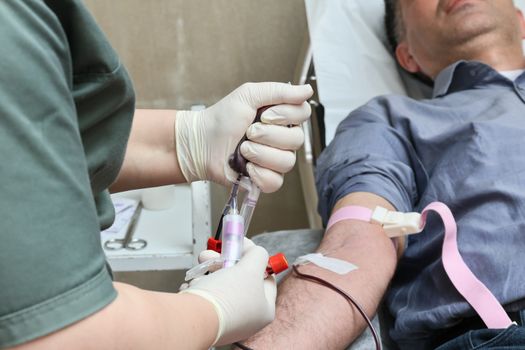 Photo: Tahir Xəlfəquliyev / Pexels
California’s extensive healthcare network offers a multitude of avenues for residents to access preventative health screenings, ensuring that geographical location or socioeconomic status does not become an insurmountable barrier. Understanding where and how to access these services is crucial for maximizing their benefits. The state boasts a diverse range of options, from large hospital systems and private clinics to community health centers and mobile screening units, all working to bring preventative care closer to the people.
One of the primary access points for preventative screenings is through your primary care physician (PCP). Establishing a long-term relationship with a PCP is highly beneficial, as they can track your health history, recommend appropriate screenings based on your individual profile, and interpret results in the context of your overall health. They often serve as the first point of contact for referrals to specialists if more in-depth investigations are needed. Many large healthcare providers in California, such as Kaiser Permanente, Sutter Health, and UCLA Health, offer comprehensive preventative care programs integrated into their services, making it convenient for their members to schedule and receive screenings.
For those who may not have a regular PCP or who are uninsured/underinsured, California’s network of Federally Qualified Health Centers (FQHCs) and community clinics provides an invaluable resource. These centers offer a wide range of primary and preventative care services, often on a sliding scale fee basis, ensuring affordability. They are strategically located in underserved areas across the state, making healthcare accessible to diverse communities. Organizations like the California Primary Care Association (CPCA) can help individuals locate an FQHC near them.
Beyond traditional clinics, California also leverages innovative approaches to extend preventative care. Mobile screening units frequently visit communities, offering on-site services such as mammograms, blood pressure checks, and diabetes screenings, bringing care directly to people who might face transportation challenges or time constraints. Public health departments at the county level also play a vital role, often hosting free or low-cost screening events and providing educational resources to promote preventative health.
Utilizing online patient portals and telehealth services has also become increasingly common, allowing for easier scheduling, access to test results, and even virtual consultations for initial risk assessments or follow-ups. Many insurance providers offer online tools to help members find in-network preventative care providers and understand their coverage. Employers in California often include wellness programs that feature preventative screenings as part of their benefits package, encouraging employees to prioritize their health. Furthermore, non-profit organizations and advocacy groups frequently run campaigns and provide resources aimed at increasing awareness and access to specific preventative screenings, such as those for cancer or heart disease.
Navigating the healthcare system can be complex, but California’s commitment to preventative health ensures that numerous resources are available to help you take control of your well-being. Don’t hesitate to reach out to your healthcare provider, local community health center, or public health department for guidance. For more information on navigating healthcare resources, consider exploring general
medical advice and resources.
Maximizing Your Preventative Screenings: Tips and Common Mistakes to Avoid
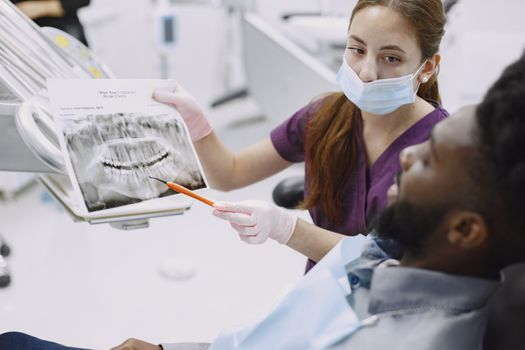 Photo: Gustavo Fring / Pexels
To truly reap the benefits of preventative health screenings in California, it’s not enough to simply schedule appointments; it’s about approaching them strategically and avoiding common pitfalls. Maximizing your preventative care involves preparation, active participation, and informed follow-up.
Here are some key tips to ensure you get the most out of your screenings:
* **Know Your Family History:** This is perhaps one of the most critical pieces of information you can provide your doctor. A detailed family medical history can highlight genetic predispositions to certain diseases, allowing your doctor to recommend earlier or more frequent screenings than standard guidelines suggest. Take the time to discuss health conditions with your parents, grandparents, and siblings.
* **Be Honest and Comprehensive with Your Doctor:** Disclose all your lifestyle habits, including diet, exercise, smoking, alcohol consumption, and any over-the-counter medications or supplements you’re taking. Even seemingly minor details can be relevant to your health risk assessment and screening recommendations.
* **Understand Your Insurance Coverage:** Before any appointment, verify what preventative services your insurance plan covers. Most plans cover a wide array of preventative screenings at no cost, but it's always wise to confirm to avoid unexpected bills. Understand the difference between a 'screening' and a 'diagnostic' test, as the latter might incur costs if a screening result is abnormal.
* **Prepare for Your Appointment:** Some screenings require specific preparations, such as fasting for blood tests or dietary restrictions for colonoscopies. Read all instructions carefully and follow them precisely to ensure accurate results. Write down any questions or concerns you have beforehand so you don't forget them during your visit.
* **Follow Up on Results:** Don't assume no news is good news. Always confirm how and when you will receive your test results. If you don't hear back within the expected timeframe, proactively reach out to your provider. Discuss all results with your doctor, even if they are normal, to understand their implications.
Common mistakes to avoid include:
* **Skipping Screenings Due to Fear:** Anxiety about potential bad news can cause people to delay or avoid screenings. Remember, early detection significantly improves outcomes for most conditions.
* **Relying Solely on Online Information:** While online resources are valuable, they should not replace personalized medical advice from a qualified healthcare professional. Self-diagnosing or self-treating based on internet searches can be dangerous.
* **Neglecting Lifestyle Changes:** Screenings provide information, but they are not a substitute for a healthy lifestyle. If screenings reveal risk factors, it’s crucial to commit to recommended lifestyle modifications.
* **Ignoring Follow-Up Recommendations:** If a screening identifies an abnormality, your doctor will recommend further diagnostic tests or treatments. Failing to follow up can negate the benefits of the initial screening.
* **Not Asking Questions:** Your health is your responsibility. If you don't understand something, ask for clarification. Be an active participant in your healthcare journey.
By being proactive and informed, you can make your preventative health screenings in California a powerful tool for maintaining long-term health and well-being.
