
How to Read Cannabis Edible Labels for Safe, Effective Use
Mastering edible labels is crucial for medical cannabis patients seeking precise dosing and predictable effects.
Start Learning NowKey Takeaways
- ✓ Understanding cannabinoid content (THC, CBD, minor cannabinoids) is paramount.
- ✓ Dosage information is always listed in milligrams (mg) per serving and per package.
- ✓ Onset times for edibles can range from 30 minutes to 2 hours, with effects lasting much longer.
- ✓ Always check for manufacturing and expiration dates to ensure product freshness and potency.
How It Works
Identify the primary cannabinoids like THC and CBD, and note their milligram (mg) values. This tells you the product's primary psychoactive and therapeutic compounds.
Distinguish between the dosage per individual serving and the total milligrams in the entire package. This prevents accidental overconsumption, especially with multi-serving products.
Some labels detail terpene profiles and minor cannabinoids (e.g., CBG, CBN). These compounds contribute to the 'entourage effect' and can influence the overall experience.
Always scan the full ingredient list for potential allergens or dietary restrictions. Verify the manufacturing date, expiration date, and any testing information for quality assurance.
Demystifying Cannabinoid Content: THC, CBD, and Beyond
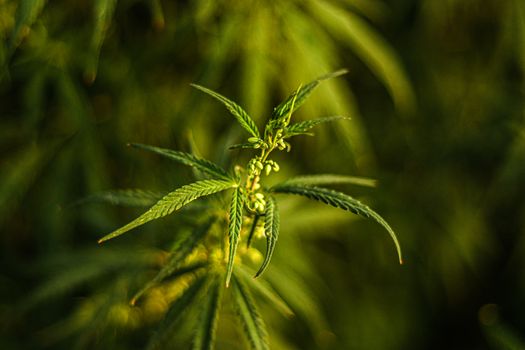 Photo: Swastik Arora / Pexels
Dosage, Serving Sizes, and Onset Times: Navigating the Edible Experience
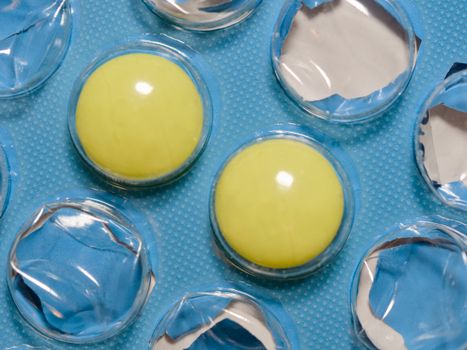 Photo: Marek Ruczaj / Pexels
For more options, check out MJ420 Delivery.
Beyond Cannabinoids: Ingredients, Allergens, and Manufacturing Transparency
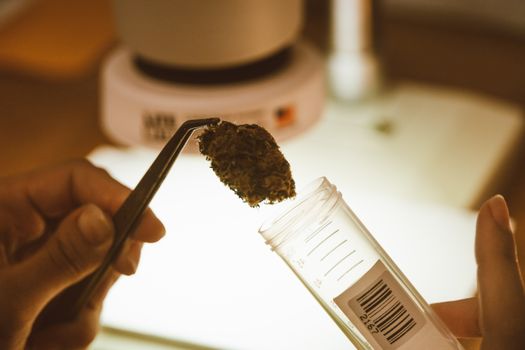 Photo: Jess Loiterton / Pexels
Common Mistakes and Smart Tips for Edible Label Interpretation
 Photo: Tahir Xəlfəquliyev / Pexels
Comparison
| Feature | Ideal Medical Edible Label | Acceptable Label | Red Flag Label |
|---|---|---|---|
| Cannabinoid Detail | THC, CBD, minor cannabinoids, terpenes (mg/serving & total) | THC & CBD (mg/serving & total) | Only THC, unclear mg |
| Serving Size Clarity | Clear mg/serving & total servings/package | Clear mg/serving, may infer total servings | Only total mg, no serving size |
| Onset/Duration Info | Explicit onset/duration estimates | General edible warnings | No information |
| Ingredients/Allergens | Full ingredient list, clear allergen warnings | Basic ingredient list, some allergen notes | Vague ingredients, no allergen info |
| Testing Transparency | QR code to 3rd-party CoA (potency & contaminants) | Statement of lab testing (no direct link) | No mention of testing |
| Dates | Mfg date, exp date | Exp date only | No dates |
What Readers Say
"This guide truly changed how I approach my medical edibles. I used to just grab what looked good, but now I meticulously check the THC:CBD ratio and serving size. My pain management has become so much more precise and effective."
Sarah J. · Los Angeles, CA"As a new medical patient, the sheer variety of edibles was overwhelming. This article broke down exactly what to look for on the labels, especially the onset times. It saved me from an uncomfortable first experience!"
Mark D. · San Francisco, CA"The advice on checking for CoAs and understanding minor cannabinoids was a game-changer. I now only buy products with full transparency, which has significantly improved my trust in the brands I use for my chronic illness."
Elena R. · San Diego, CA"While most of the information was excellent, I wish there was a bit more detail on distinguishing between different types of fast-acting edibles. Still, the core advice on dosage and reading the fine print was invaluable for my sleep issues."
David L. · Sacramento, CA"I'm allergic to nuts, and this guide highlighted the importance of allergen warnings on edible labels. It's so easy to overlook, but now it's the first thing I check, ensuring my medical cannabis use is always safe."
Jessica M. · Oakland, CAFrequently Asked Questions
What is the most important information to look for on a cannabis edible label?
The most crucial information includes the precise milligram (mg) content of THC and CBD per serving, the total mg per package, and the number of servings. Additionally, checking the manufacturing and expiration dates, along with any allergen warnings, is paramount for safety and efficacy.
How can I avoid taking too much THC from an edible?
To avoid overconsumption, always start with a very low dose, typically 2.5mg or 5mg of THC, especially if you are new to edibles. Wait at least 90 minutes to 2 hours before considering a second dose, as edibles have a delayed onset. Always verify the 'mg per serving' vs. 'total mg per package'.
What does 'full-spectrum' mean on an edible label?
'Full-spectrum' on an edible label indicates that the product contains a wide range of cannabinoids, terpenes, and other beneficial compounds naturally found in the cannabis plant. This is believed to contribute to the 'entourage effect,' where these compounds work together to enhance therapeutic benefits.
Are fast-acting edibles really faster, and how do I identify them?
Yes, fast-acting edibles often utilize nanotechnology to encapsulate cannabinoids, allowing for quicker absorption through the digestive system, potentially reducing onset time to 15-45 minutes. They will typically be explicitly labeled as 'fast-acting' or 'rapid onset' on the packaging.
How do I know if an edible product has been tested for safety?
Look for a QR code or batch number on the label that links to a Certificate of Analysis (CoA) from an independent, third-party lab. This CoA should detail cannabinoid potency, terpene profile, and, crucially, test results for pesticides, heavy metals, residual solvents, and microbial contaminants.
Who should prioritize reading edible labels carefully?
Anyone consuming cannabis edibles should read labels carefully, but it is especially critical for medical cannabis patients who rely on precise dosing for symptom management, individuals with allergies or dietary restrictions, and those new to cannabis or edibles who need to understand onset and duration.
What are the risks of consuming an expired cannabis edible?
The primary risk of consuming an expired cannabis edible is a reduction in potency and a potential degradation of flavor. While generally not harmful, the cannabinoids may have degraded over time, leading to less effective therapeutic results than intended. Always check the expiration date for optimal experience.
Will edible labels become more standardized in the future?
As the cannabis industry matures and regulations evolve, there is a strong trend towards greater standardization and transparency on edible labels. Future labels are likely to provide even more detailed cannabinoid and terpene profiles, clearer onset/duration predictions, and universal access to third-party lab testing results to enhance consumer safety and informed choice.
Mastering how to read cannabis edible labels is your most powerful tool for a safe, predictable, and effective medical cannabis experience. Take the time to understand each detail, empower yourself with knowledge, and ensure your journey with edibles is always beneficial and well-informed. Your health and well-being deserve nothing less than this meticulous approach.