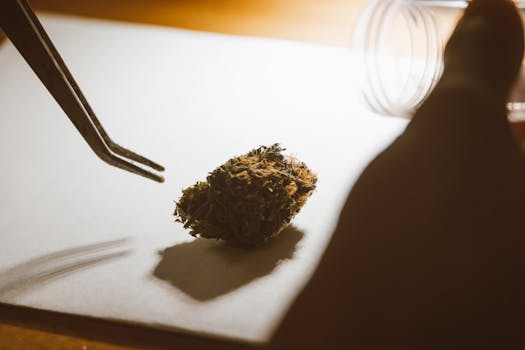
How to Get a Medical Marijuana Card California: Your Guide
how to get a medical marijuana card California

How to Get a Medical Marijuana Card California: Your Guide

Unlock access to medical cannabis in California with our comprehensive, step-by-step application guide.

Start Your Application

Key Takeaways

  • ✓ California residents aged 18+ with qualifying conditions can apply.
  • ✓ A doctor's recommendation is required, often obtainable via telehealth.
  • ✓ The state-issued MMIC offers legal protection and tax benefits.
  • ✓ Renewal is typically required annually to maintain validity.

How It Works

1
Consult with a Qualified Doctor

Schedule an appointment, often online, with a licensed California physician experienced in medical cannabis. Discuss your qualifying condition and medical history openly.

2
Receive Your Recommendation

If the doctor determines cannabis is an appropriate treatment, they will issue a medical cannabis recommendation. This is your primary authorization.

3
Apply for the MMIC (Optional but Recommended)

While a doctor's recommendation is sufficient for purchasing, applying for the state-issued Medical Marijuana Identification Card (MMIC) provides additional benefits. Submit your application to your county's health department.

4
Access Licensed Dispensaries

With your valid recommendation or MMIC, you can visit licensed California dispensaries. Enjoy legal access to a wider range of products and potential tax exemptions.

Understanding California's Medical Cannabis Landscape

A collage of American culture with cannabis buds, matchsticks, and Los Angeles imagery on a wooden surface. Photo: RDNE Stock project / Pexels
California has been at the forefront of medical cannabis legislation since Proposition 215 passed in 1996, establishing the Compassionate Use Act. This landmark legislation allowed seriously ill Californians to obtain and use marijuana for medical purposes when recommended by a physician. Fast forward to today, and the landscape has evolved significantly, particularly with the passage of the Medical Cannabis Regulation and Safety Act (MCRSA) and subsequently, Proposition 64, the Adult Use of Marijuana Act (AUMA), which legalized recreational cannabis for adults 21 and over. While recreational cannabis is widely available, understanding how to get a medical marijuana card California still offers distinct advantages for patients. The primary distinction lies in the legal framework and patient protections. A medical marijuana recommendation or a state-issued Medical Marijuana Identification Card (MMIC) provides a clear legal basis for your cannabis use, which can be crucial in certain situations. For instance, while recreational users are limited to possessing up to 1 ounce of dried cannabis and 8 grams of concentrate, medical patients, under the MCRSA, may possess larger quantities if deemed medically necessary by their physician. This flexibility extends to cultivation, where recreational users can grow up to six plants, but medical patients may be authorized to cultivate more if their condition warrants it. Furthermore, medical patients are often exempt from certain state sales and excise taxes on cannabis products, leading to significant savings over time. Navigating these nuances can be complex, but obtaining a medical marijuana card in California simplifies access and provides peace of mind. The state's Department of Public Health oversees the Medical Marijuana Identification Card Program (MMICP), which issues the official MMIC. While a doctor's recommendation is the fundamental requirement, the MMIC acts as an official state-issued identification that confirms your status as a qualified patient. This card is recognized by law enforcement and licensed dispensaries statewide, streamlining your experience and offering an additional layer of legal protection. It’s important to note that even with the availability of recreational cannabis, many patients still opt for the medical card due to these tangible benefits, including access to higher potency products, lower taxes, and greater legal allowances. Understanding this foundational difference is the first step in deciding if a medical marijuana card is right for you in California. For more detailed information on specific medical conditions that qualify, you might find our guide on qualifying conditions for medical cannabis in California helpful.

Eligibility and Qualifying Conditions for a California MMIC

Healthcare professional consults patient in clinical setting. Medical discussion and diagnosis. Photo: RDNE Stock project / Pexels
To successfully get a medical marijuana card California, you must first meet specific eligibility criteria and have a qualifying medical condition. The state of California requires that you be a legal resident of California, typically evidenced by a California ID or other proof of residency. You must also be at least 18 years of age. Minors can apply, but they require the consent of a parent or legal guardian and a physician's recommendation from two different doctors. The cornerstone of your application, however, is a legitimate medical condition that a licensed physician believes can be alleviated by medical cannabis. California's list of qualifying conditions is broad and encompasses a range of chronic or debilitating health issues. These generally include, but are not limited to, chronic pain (of various origins), arthritis, cancer, AIDS/HIV, glaucoma, multiple sclerosis (MS), spasticity, severe nausea, persistent muscle spasms, seizures, and any other chronic or persistent medical symptom that either substantially limits the ability of the person to conduct one or more major life activities as defined in the Americans with Disabilities Act of 1990, or, if not alleviated, may cause serious harm to the person’s safety or physical or mental health. This 'catch-all' clause allows physicians significant discretion in recommending cannabis for conditions not explicitly listed, provided they genuinely believe it offers therapeutic benefits. When you consult with a physician, they will evaluate your medical history, current symptoms, and previous treatments. It's crucial to be honest and thorough during this consultation, providing any relevant medical records, diagnoses, and details about how your condition impacts your daily life. The physician's role is to determine if medical cannabis is a suitable and beneficial treatment option for you. They are not merely rubber-stamping requests but are making a professional medical judgment. Once the physician determines you qualify, they will issue a medical cannabis recommendation. This recommendation is the core document needed to either directly purchase medical cannabis from dispensaries or to apply for the state-issued MMIC. Understanding these conditions and preparing your medical history will make the process of obtaining your recommendation much smoother and more efficient. It's not just about having a condition, but demonstrating to a doctor that cannabis is a medically appropriate intervention for your specific situation.

The Application Process: Step-by-Step Guide to Your California MMIC

Paramedics attending to an emergency roadside with a visible GMC ambulance. Photo: RDNE Stock project / Pexels
Navigating the application process to get a medical marijuana card California can seem daunting, but breaking it down into clear steps makes it manageable. The journey begins with securing a physician's recommendation, which is the most critical component. Many services now facilitate this through online telehealth platforms, allowing you to consult with a licensed California doctor from the comfort of your home. During this virtual or in-person consultation, be prepared to discuss your qualifying condition, medical history, and how cannabis might help. Once the doctor approves, they will provide you with a written recommendation. With your doctor's recommendation in hand, you have two primary paths: you can use this recommendation directly at licensed dispensaries to purchase medical cannabis, or you can proceed to apply for the state-issued Medical Marijuana Identification Card (MMIC). While the recommendation is legally sufficient for purchases, the MMIC offers additional benefits, such as protection from certain state sales and use taxes, and a clear, official identification for law enforcement. To apply for the MMIC, you will need to submit an application to your county's health department. This typically involves completing a state application form, providing your physician's recommendation, proof of California residency (like a driver's license or state ID), and proof of identity. You will also need to provide a recent photograph and pay an application fee. The fee can vary by county, and some counties offer reduced fees for Medi-Cal beneficiaries. Once your application is submitted, the county health department will review your documents. This process can take several weeks, during which they may verify your physician's recommendation. If everything is in order, you will be notified when your MMIC is ready for pickup. The card itself contains your photo, a unique identification number, and an expiration date, typically one year from the date of issue. It's crucial to keep this card safe and carry it with you when purchasing or possessing medical cannabis. Remember, the MMIC is a state-issued identification, not merely a doctor's note, and it signifies your official status as a medical cannabis patient in California. Understanding the distinction between a doctor's recommendation and the MMIC is key to making an informed decision about your application. For those interested in the broader benefits of cannabis, our article on the health benefits of medical cannabis in California provides additional insights.

Tips for a Smooth Application and Avoiding Common Mistakes

A doctor writing a prescription on paper with a ballpoint pen in a clinic setting. Photo: Lucas Guimarães Bueno / Pexels
To ensure a smooth process when you aim to get a medical marijuana card California, preparation and attention to detail are key. One of the most common pitfalls is incomplete documentation. Always double-check that you have all required proofs of residency and identity, along with your original doctor's recommendation. Photocopies might not be accepted by some county health departments, so confirm their specific requirements beforehand. Another frequent error is using an expired ID or a non-California address; ensure all your identification is current and reflects your California residency. Here are some essential tips to streamline your application: * **Gather all medical records:** While your doctor will conduct an evaluation, having your past diagnoses, treatment plans, and any relevant imaging or lab results readily available can significantly expedite the consultation process. This helps the physician quickly understand your condition and confirm its eligibility. * **Choose a reputable online clinic:** If opting for a telehealth consultation, select a service with licensed California physicians and positive patient reviews. Be wary of services that guarantee recommendations without a proper medical evaluation. * **Understand the fees:** Be aware of both the physician consultation fee and the county MMIC application fee. Budget accordingly, and inquire about any reduced fees if you are a Medi-Cal beneficiary. * **Be patient with the county:** The processing time for the MMIC can vary by county, ranging from a few weeks to over a month. Plan ahead and don't expect an instant card. * **Know the difference between recommendation and card:** As discussed, a doctor's recommendation allows you to purchase, but the MMIC offers enhanced legal protection and tax benefits. Decide which is most suitable for your needs. * **Keep copies of everything:** Always retain copies of your recommendation, application forms, and any receipts for your records. * **Renew on time:** MMICs typically expire after one year. Mark your calendar for renewal to avoid any lapse in your medical cannabis access and benefits. Proactive renewal ensures continuous legal protection and access to dispensaries. Adhering to these tips can save you time, money, and frustration.

Comparison

FeatureCalifornia MMIC HolderRecreational User (21+)Non-Card Medical Patient
Possession LimitsHigher (medically determined)1 oz flower / 8g concentrateHigher (medically determined)
Cultivation LimitsHigher (medically determined)6 plants (indoor only)Higher (medically determined)
State Sales Tax Exemption
State Excise Tax Exemption
Legal ProtectionStrongest state protectionStandard adult-use lawsRelies on doctor's note
Access to Specific ProductsWider range, potentially higher potencyStandard adult-use productsWider range, potentially higher potency
Federal Legality
Application FeeCounty fee (~$100)N/AN/A (doctor's fee only)

What Readers Say

"Getting my medical marijuana card in California was so much simpler than I thought. The online doctor consultation was quick and professional, and having the MMIC has saved me a lot on taxes at the dispensary."

Sarah J. · Los Angeles, CA

"I suffer from chronic back pain, and understanding how to get a medical marijuana card California was a game-changer. The process was clearly laid out by the clinic, and I had my recommendation within hours."

Mark T. · San Francisco, CA

"The tax savings alone make the MMIC worth it for me. I followed the steps outlined online, submitted my application to the county, and received my card in about three weeks. Accessing my medicine is now worry-free."

Emily R. · San Diego, CA

"The online doctor visit was very convenient. The only slight delay was waiting for the county to process my physical MMIC, but even with that, it was a straightforward process to get my medical marijuana card California."

David L. · Sacramento, CA

"As a caregiver, getting a medical marijuana card for my elderly father was essential. The process was well-explained, and the card provides us both with peace of mind regarding his legal access to necessary cannabis treatments."

Jessica M. · Oakland, CA

Frequently Asked Questions

What are the primary benefits of getting a medical marijuana card in California over just buying recreationally?

The main benefits include significant tax exemptions (state sales and excise taxes), higher possession and cultivation limits, and stronger legal protections under state law. Medical patients may also access a wider range of products, including higher potency options, not always available to recreational consumers.

Is it difficult to find a doctor who will recommend medical marijuana in California?

No, it is generally not difficult. California has many licensed physicians who specialize in medical cannabis recommendations. Many reputable online telehealth services connect you with qualified doctors, making the process convenient and accessible from home.

How do I apply for the state-issued Medical Marijuana Identification Card (MMIC) after getting a doctor's recommendation?

After receiving your doctor's recommendation, you'll need to submit an application to your county's health department. This typically requires the recommendation, proof of California residency and identity, a photo, and an application fee. Your county will then process and issue the MMIC.

What is the typical cost associated with getting a medical marijuana card in California?

Costs generally include a physician consultation fee (ranging from $40-$100 for online services) and a county application fee for the MMIC (up to $100, with reduced fees for Medi-Cal beneficiaries). These costs are typically annual, as cards require renewal.

Does having a California medical marijuana card protect me federally?

No, unfortunately, a California medical marijuana card does not provide protection under federal law. Cannabis remains illegal at the federal level. While California law protects state-legal medical cannabis patients, federal law enforcement could still pursue charges, though this is rare for state-compliant patients.

Who should consider getting a medical marijuana card in California?

Anyone with a qualifying medical condition who believes cannabis could offer therapeutic benefits should consider it. Additionally, individuals who consume cannabis regularly and wish to benefit from tax savings, higher possession limits, or enhanced legal protections under state law will find the MMIC advantageous.

Are there any risks or downsides to getting a medical marijuana card in California?

Potential downsides include the lack of federal protection, which could impact federal employment or housing, and restrictions on firearm ownership. There's also the annual cost for renewal. However, for most patients, the state-level benefits and legal clarity outweigh these potential risks.

How might California's medical marijuana laws evolve in the coming years?

California's cannabis laws are continuously reviewed. Future changes might include further integration with traditional healthcare, adjustments to tax structures, or refinements in patient access and qualifying conditions. The trend is generally towards greater clarity and patient-centric regulations.

Ready to take control of your health and gain legal access to medical cannabis? Understanding how to get a medical marijuana card California is your first step towards personalized relief and significant benefits. Start your journey today and experience the difference a medical recommendation can make.

Topics: how to get a medical marijuana card CaliforniaCalifornia medical cannabis cardMMJ card California requirementsmedical marijuana doctor Californiacannabis patient recommendation California
Leo List
Brampton weed
Adultwork