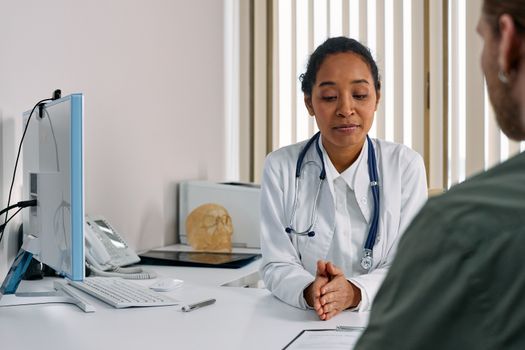
How to Find a Family Doctor in California: Your Ultimate Guide
how to find a family doctor in California

How to Find a Family Doctor in California: Your Ultimate Guide

Navigate California's healthcare landscape to find the perfect family doctor for you and your loved ones.

Start Your Search Now

Key Takeaways

  • ✓ California has a diverse and extensive healthcare system.
  • ✓ Primary care physicians are crucial for preventive health and navigating specialists.
  • ✓ Insurance network compatibility is a primary factor in doctor selection.
  • ✓ Online directories and patient reviews are invaluable resources.

How It Works

1
Define Your Needs & Preferences

Before searching, list what matters most: location, gender preference, specific medical conditions, and preferred communication style. This clarity will streamline your search.

2
Leverage Your Insurance Network

Begin by checking your health insurance provider's online directory for in-network doctors. This ensures coverage and minimizes out-of-pocket expenses.

3
Research & Shortlist Candidates

Utilize reputable online platforms, hospital websites, and personal referrals to research potential doctors. Pay attention to credentials, experience, and patient reviews.

4
Schedule a "Meet & Greet" (If Available)

Some practices offer brief introductory appointments to help you assess compatibility. Use this opportunity to ask questions and gauge the doctor's approach and office environment.

Understanding the Importance of a Primary Care Physician in California

Smiling ethnic female doctor in medical uniform with stethoscope and notebook talking on smartphone while standing in glass hospital corridor Photo: Gustavo Fring / Pexels
Finding a family doctor, also known as a Primary Care Physician (PCP), is one of the most critical healthcare decisions you’ll make in California. A PCP serves as your first point of contact for most medical needs, playing a pivotal role in maintaining your overall health and well-being. They are responsible for routine check-ups, preventive care, managing chronic conditions, and providing referrals to specialists when necessary. In a vast and diverse state like California, with its complex healthcare system, having a trusted PCP can be the anchor that keeps your health journey on track. Beyond just treating illnesses, a good family doctor builds a long-term relationship with you, understanding your medical history, lifestyle, and unique health goals. This continuity of care leads to better health outcomes, as your doctor is intimately familiar with your health trajectory and can detect subtle changes or risks early on. They act as your healthcare navigator, helping you make informed decisions and coordinating care across different medical providers. For families, a family doctor can care for individuals of all ages, from infants to seniors, offering a holistic approach to family health. This means one doctor or practice can potentially manage the health records and needs of multiple family members, simplifying healthcare management. California's healthcare landscape is characterized by a mix of large hospital systems, independent practices, and various health maintenance organizations (HMOs) and preferred provider organizations (PPOs). Understanding how your insurance fits into this picture is fundamental to finding an accessible and affordable PCP. Many Californians rely on their PCPs for managing conditions like diabetes, hypertension, and asthma, as well as for routine vaccinations and health screenings. Without a dedicated PCP, individuals often resort to urgent care centers or emergency rooms for non-emergent issues, which can be more costly and less effective for continuous care. Furthermore, many health insurance plans in California require you to select a PCP, especially HMO plans, to manage your referrals to specialists. This gatekeeper function ensures that you receive appropriate care and prevents unnecessary specialist visits, which can save both time and money. Even with PPO plans, having a PCP is highly recommended for coordinated care and health advocacy. The peace of mind that comes from knowing you have a medical professional who understands your history and is looking out for your best interests is invaluable. Ultimately, investing time in finding the right family doctor in California is an investment in your long-term health. For more insights on navigating healthcare, visit our medical resources page.

Navigating California's Healthcare System: Key Considerations

Close-up of hands holding a map during an outdoor adventure on a sunny day. Photo: RDNE Stock project / Pexels
California's healthcare system is extensive and can feel overwhelming, but understanding its key components will greatly assist you in your search for a family doctor. One of the first and most crucial steps is to thoroughly understand your health insurance plan. California offers a variety of plans through Covered California (the state's health insurance marketplace), employer-sponsored plans, Medi-Cal, and Medicare. Each plan has its own network of doctors and hospitals, and choosing an in-network provider is essential to avoid exorbitant out-of-pocket costs. Familiarize yourself with terms like co-pays, deductibles, out-of-pocket maximums, and whether your plan requires a referral from a PCP to see a specialist. The type of medical group or hospital affiliation is another significant factor. Many doctors in California are part of larger medical groups, such as Kaiser Permanente, Sutter Health, UCLA Health, Stanford Health Care, or Sharp HealthCare. These integrated systems often offer comprehensive care, including specialists, hospitals, and labs, all under one umbrella. While this can provide seamless coordination of care, it might also mean less flexibility in choosing doctors outside their system. Independent practices, on the other hand, might offer a more personal touch but require you to coordinate care across different facilities. Consider the geographical convenience. California is a large state, and traffic can be a major impediment. Finding a doctor's office that is conveniently located near your home or workplace can make a substantial difference in your ability to attend appointments regularly, especially for routine check-ups or unexpected illnesses. Proximity to urgent care facilities or hospitals affiliated with your chosen doctor can also be a plus. Look into the clinic's operating hours; some offer extended hours or weekend appointments, which can be beneficial for busy schedules. Technology plays an increasingly important role in healthcare. Many practices in California offer patient portals for online appointment scheduling, prescription refills, and secure messaging with your doctor. Telehealth options have also become more prevalent, allowing for virtual consultations for certain conditions. If these features are important to you, inquire about them during your search. A doctor's philosophy of care is also worth considering. Do they emphasize preventive medicine? Are they open to alternative therapies? Do they prioritize patient education and shared decision-making? These aspects can significantly impact your satisfaction with your chosen provider. Lastly, don't underestimate the power of word-of-mouth. Ask friends, family, and colleagues in California for their recommendations. While personal preferences vary, these referrals can provide valuable insights into a doctor's bedside manner, wait times, and the overall patient experience. Combine these personal anecdotes with your online research for a well-rounded perspective.

Effective Strategies for Finding a Quality Family Doctor

An elderly doctor in a white coat conducting an online medical consultation, focusing attentively. Photo: Tima Miroshnichenko / Pexels
When you're ready to actively search for a family doctor in California, employing a multi-pronged strategy will yield the best results. Start with your health insurance provider's online directory. This is often the most efficient way to filter for doctors who are in-network, saving you from potential financial surprises. Most insurance websites allow you to search by specialty (family medicine, internal medicine, pediatrics), location, gender, language spoken, and even specific conditions treated. This initial filter will provide a foundational list of eligible providers. Next, leverage reputable online doctor review platforms such as Zocdoc, Healthgrades, Vitals, and the American Medical Association's DoctorFinder. These sites provide valuable information on doctors' credentials, board certifications, educational background, and patient reviews. Pay close attention to comments regarding wait times, bedside manner, communication style, and how staff handles appointments and billing. While reviews offer a snapshot, look for consistent themes rather than isolated opinions. A high volume of positive reviews generally indicates a good patient experience. Consider hospital affiliations. Many top hospitals in California, such as Cedars-Sinai, UCSF Medical Center, and Scripps Health, have extensive networks of affiliated primary care physicians. Searching their websites can lead you to highly qualified doctors who are part of well-regarded healthcare systems. Being part of a major hospital system often means easier access to specialists and advanced medical technologies if needed. Don't hesitate to directly call the medical offices you're considering. This allows you to ask about their practice philosophy, how they handle after-hours care, emergency situations, prescription refills, and their policy on communication (e.g., patient portals, email). You can also inquire about their appointment availability and typical wait times for new patients. Personal referrals remain a powerful tool. Ask trusted friends, family members, neighbors, or even new colleagues in California for their recommendations. People who share similar values or health needs might lead you to a doctor who is a good fit. When you get a referral, still cross-reference it with your insurance network and online reviews. If you are relocating to California, your previous doctor might be able to provide a referral to a colleague in your new area, though this is less common across state lines. Some employers also offer employee assistance programs or health navigators who can help with doctor searches. Finally, if you have specific health needs, such as chronic illness management or a desire for a particular approach (e.g., integrative medicine), look for doctors with relevant certifications or special interests. For more tips on medical care, explore our health and wellness hub.

Tips for Your First Appointment and Avoiding Common Pitfalls

Two doctors in lab coats discussing an X-ray in a clinical setting. Photo: RDNE Stock project / Pexels
Once you've shortlisted a few potential family doctors in California, the next step is to prepare for your first appointment, often called a "meet and greet" or an initial consultation. This is your opportunity to assess the doctor and the clinic environment before committing. Come prepared with a list of questions. These might include: What is your approach to preventive care? How do you handle referrals to specialists? What are your typical wait times for appointments? How do you communicate test results? What are the office policies regarding prescription refills and after-hours care? Pay close attention to the doctor's communication style – do they listen attentively, explain things clearly, and make you feel comfortable? Observe the office environment and staff. Are the receptionists friendly and efficient? Is the waiting area clean and comfortable? A well-run office often indicates a well-organized practice. Consider the commute time and parking availability, as these practicalities can impact your long-term satisfaction. If the doctor's office is consistently difficult to access, it could become a barrier to regular care. One common pitfall to avoid is choosing a doctor solely based on proximity without considering other critical factors like insurance compatibility, patient reviews, and the doctor's philosophy. While convenience is important, it shouldn't be the only deciding factor. Another mistake is not verifying the doctor's credentials and board certifications. Always check that they are board-certified in family medicine or internal medicine through official medical boards. This ensures they meet rigorous standards of education, experience, and expertise. Don't be afraid to switch doctors if the first one isn't a good fit. Finding the right family doctor is a personal journey, and it's okay if your initial choice doesn't meet your expectations. It’s better to find a doctor you trust and feel comfortable with, even if it takes a bit more time. Be proactive in your healthcare: ask questions, express your concerns, and be an active participant in your treatment plan. A good doctor-patient relationship is a partnership. Finally, ensure all your medical records from previous providers are transferred to your new doctor. This continuity of information is vital for comprehensive and informed care. Always confirm with the new office how they prefer to receive these records, whether it's through a secure portal, fax, or mail, to ensure a smooth transition and that your new physician has a complete picture of your health history.

Comparison

FeatureOnline Directories (e.g., Zocdoc)Insurance Provider WebsiteHospital Affiliation SitesPersonal Referrals
Ease of UseVery High (filters, reviews)High (network specific)Medium (system specific)Medium (requires asking)
Network VerificationOften available, but verifyGuaranteed in-networkLikely in-network (for system)Needs verification
Patient ReviewsExtensiveLimited/NoneSometimes availableDirect feedback
Doctor CredentialsDetailedBasicDetailedAssumed/Needs verification
Scope of OptionsBroad across networksLimited to your planLimited to specific systemVaries widely
Time InvestmentModerateLow to ModerateModerateLow (initial) to High (follow-up)

What Readers Say

"Finding a family doctor in California felt daunting, but this guide was a lifesaver! I used the insurance network tip and then cross-referenced with online reviews. I found an amazing PCP near me who is in-network and has fantastic patient feedback. My health has never been better thanks to informed decision-making."

Sarah J. · Los Angeles, CA

"As someone new to California, I had no idea where to start. This article broke down the process perfectly. The advice about checking hospital affiliations helped me find a doctor within a major system, which has been great for coordinating care for my chronic condition. Highly recommend reading this before you start your search."

Michael D. · San Francisco, CA

"The section on preparing for the first appointment was incredibly helpful. I went in with a list of questions and felt much more confident. I ended up finding a doctor who truly listens and makes me feel heard, which was my top priority. This guide really empowers you to make the best choice."

Emily R. · San Diego, CA

"Good comprehensive overview. While I still had to do a lot of legwork, the strategies outlined here streamlined my search significantly. The comparison table was particularly useful for deciding which resources to prioritize. It’s a solid starting point for anyone trying to navigate the California medical scene."

David L. · Sacramento, CA

"Moving with kids meant finding a family doctor was urgent. The guide's emphasis on verifying credentials and considering the office environment made a huge difference. We found a wonderful family practice that's great for both me and my children, and the staff is incredibly supportive. Thank you for this resource!"

Jessica M. · Oakland, CA

Frequently Asked Questions

What's the best way to start my search for a family doctor in California?

Begin by understanding your health insurance plan and using its online directory to find in-network providers. Simultaneously, utilize reputable online doctor review platforms like Zocdoc or Healthgrades to cross-reference credentials and read patient reviews. Personal referrals from trusted sources are also valuable.

Do I need a referral to see a specialist in California?

It depends on your insurance plan. If you have an HMO (Health Maintenance Organization) plan, you will almost certainly need a referral from your Primary Care Physician (PCP) to see a specialist. PPO (Preferred Provider Organization) plans generally do not require referrals, but seeing an in-network specialist without one might still be more expensive.

How important are patient reviews when choosing a doctor?

Patient reviews can offer valuable insights into a doctor's bedside manner, communication style, wait times, and overall patient experience. While they shouldn't be the sole factor, look for consistent themes across multiple reviews rather than isolated comments to get a balanced perspective.

What should I ask during a 'meet and greet' with a potential doctor?

During a 'meet and greet,' ask about their philosophy of care, how they handle after-hours emergencies, their communication methods (e.g., patient portal, email), appointment availability, and their approach to referrals. This helps assess compatibility before committing.

Can I switch family doctors if I'm not happy with my current one in California?

Yes, absolutely. You have the right to switch doctors if you are not satisfied with your current provider. The process usually involves selecting a new doctor through your insurance plan (if required) and arranging for your medical records to be transferred to the new practice.

Who should prioritize finding a family doctor in California?

Everyone should prioritize finding a family doctor, but it's especially crucial for individuals managing chronic conditions, families with young children, those new to California, and anyone seeking consistent preventive care and a central point of contact for their health needs.

Are telehealth options common with family doctors in California?

Yes, telehealth has become increasingly common and integrated into primary care practices across California. Many family doctors offer virtual appointments for routine check-ups, follow-ups, and minor illnesses, providing convenient access to care for many patients.

What trends are impacting how people find doctors in California?

Key trends include the growing use of online patient portals and digital health tools, the expansion of telehealth services for convenience, a greater emphasis on integrated healthcare systems, and increasing patient reliance on online reviews and transparent pricing information to make informed choices.

Finding the right family doctor in California is a foundational step towards maintaining your health and peace of mind. By leveraging the strategies and resources outlined here, you can confidently navigate the healthcare landscape and choose a provider who meets your unique needs. Don't delay—take control of your health journey today and find your ideal family doctor in California.

Topics: how to find a family doctor in Californiaprimary care physician Californiachoosing a doctor CACalifornia healthcarefamily medicine California
Leo List
Brampton weed
Adultwork