how to choose a primary care physician California
primary care physician California

how to choose a primary care physician California

Your definitive guide to finding the perfect primary care physician in California for optimal health and well-being.

Find Your PCP Now

Key Takeaways

  • ✓ California has diverse healthcare systems, from large HMOs to independent practices.
  • ✓ Insurance network compatibility is often the most critical factor when selecting a PCP.
  • ✓ Telehealth options are expanding rapidly and can be a significant consideration.
  • ✓ Patient reviews and recommendations offer valuable insights into a doctor's practice style.

How It Works

1
Assess Your Needs & Preferences

Before starting your search, determine what's most important to you in a doctor. Consider factors like location, specialty, gender preference, and communication style.

2
Verify Insurance Coverage

Contact your insurance provider to understand your plan's requirements and get a list of in-network PCPs. This step can significantly narrow down your options and prevent unexpected costs.

3
Research & Shortlist Candidates

Utilize online directories, hospital websites, and patient review sites to research potential doctors. Look for credentials, affiliations, and initial patient feedback to create a shortlist.

4
Conduct Interviews (Meet & Greet)

Many practices offer 'meet and greet' appointments where you can speak with the doctor and their staff. Use this opportunity to ask questions and assess compatibility before committing.

Understanding the Importance of a Primary Care Physician in California

A medical professional writing a prescription in a clinical setting. Photo: www.kaboompics.com / Pexels
In the vast and diverse landscape of California, establishing a relationship with a primary care physician (PCP) is not just a convenience; it's a cornerstone of effective healthcare management. A PCP acts as your central point of contact for all non-emergency medical needs, coordinating your care across various specialists and ensuring a holistic approach to your health. They are your first stop for routine check-ups, preventive screenings, minor illnesses, and chronic disease management. Without a dedicated PCP, navigating California's complex healthcare system can become fragmented, leading to gaps in care, missed preventive opportunities, and potentially higher costs in the long run. California's healthcare environment is unique, characterized by a mix of large integrated health systems, independent practices, and innovative telehealth solutions. This variety offers both opportunities and challenges when it comes to selecting the right doctor. A good PCP in California will not only treat you when you're sick but also empower you with knowledge about local health trends, connect you with community resources, and help you understand the nuances of California-specific health regulations and insurance plans. They become a trusted advisor, intimately familiar with your medical history and personal preferences, which is invaluable for long-term health. Furthermore, many insurance plans, especially Health Maintenance Organizations (HMOs) prevalent in California, require you to select a PCP who then provides referrals to specialists. This gatekeeper role ensures that you receive appropriate care and helps control healthcare costs. Even with Preferred Provider Organizations (PPOs), having a PCP can streamline your care, preventing unnecessary specialist visits and ensuring all your providers are on the same page. The continuity of care provided by a long-term relationship with a PCP has been consistently linked to better health outcomes, including lower mortality rates and reduced hospitalizations. Therefore, the effort invested in finding the right primary care physician in California is an investment in your overall well-being and peace of mind. It’s about building a partnership that supports your health journey for years to come. For more insights on general healthcare topics, you might find this resource on understanding your health benefits helpful.

Navigating Insurance and Networks: Your First Step to Finding a Doctor in CA

Flat lay of a laptop, notebook, and pills depicting health insurance planning. Photo: Leeloo The First / Pexels
Before you even begin to consider a doctor's bedside manner or office location, the absolute first and most critical step in your search for a primary care physician in California is to understand your health insurance coverage and its associated network. California's insurance market is robust, with numerous providers offering a range of plans, including HMOs, PPOs, Exclusive Provider Organizations (EPOs), and Point of Service (POS) plans. Each of these plan types has distinct rules regarding which doctors you can see and how referrals work. Ignoring this step can lead to significant out-of-pocket expenses and frustration. Start by locating your insurance card and calling the member services number, or visiting your insurer's website. Most insurance companies offer an online provider directory that allows you to search for in-network primary care physicians by specialty, location, and even gender. When using these directories, always double-check the information directly with the doctor's office, as network statuses can change. It's also wise to ask about the specific plan they accept, as some offices may accept one plan from an insurer but not another. For those with HMO plans, selecting a PCP from your plan's network is mandatory, and this PCP will typically manage all your referrals to specialists. If you choose an out-of-network doctor with an HMO, your services may not be covered at all, except in emergencies. PPO plans offer more flexibility, allowing you to see out-of-network providers, but at a higher cost. Understanding these distinctions is crucial for managing your healthcare budget and ensuring seamless access to care. Additionally, consider whether your plan is part of a larger medical group or Independent Practice Association (IPA) in California. Many doctors in California are affiliated with these groups, which can influence where you receive care, what specialists are available, and how your medical records are shared. Asking potential PCPs about their affiliations can provide valuable insight into the broader healthcare ecosystem they operate within. This foundational research into your insurance and network will save you considerable time and potential financial headaches, streamlining your journey to finding the ideal primary care physician in California.

Key Factors to Consider When Selecting Your Primary Care Physician
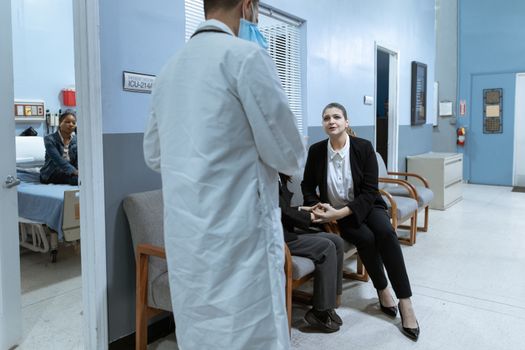
Doctors and patients in a hospital environment, fostering care and companionship. Photo: RDNE Stock project / Pexels
Once you've narrowed down your options based on insurance compatibility, it's time to delve into the qualitative aspects that define a great primary care physician in California. This is where personal preferences and practical considerations come into play, shaping your long-term healthcare experience. **Location and Accessibility:** California is a large state, and convenience is paramount. Consider the doctor's office location relative to your home or workplace. Is it easily accessible by public transport or does it have ample parking? What are their office hours? Do they offer evening or weekend appointments, which can be crucial for busy individuals? A practice that aligns with your schedule and is easy to get to will encourage regular visits and proactive health management. **Doctor's Philosophy and Communication Style:** This is highly personal but incredibly important. Do you prefer a doctor who is direct and to-the-point, or one who takes a more holistic, empathetic approach? Do they actively involve you in decision-making about your health? During a 'meet and greet' or initial consultation, pay attention to how they explain medical information and how well they listen to your concerns. Effective communication is the bedrock of a strong doctor-patient relationship. **Hospital Affiliations and Specialist Referrals:** In California, many PCPs are affiliated with specific hospitals or health systems. If you have a preferred hospital or anticipate needing specialized care, ensure your PCP's affiliations align with your needs. Ask about their process for specialist referrals – is it efficient? Do they have a network of trusted specialists they work with regularly? **Technology and Telehealth Options:** The adoption of technology in healthcare has accelerated, especially in California. Does the practice offer an online patient portal for scheduling appointments, requesting refills, and viewing test results? Do they provide telehealth or virtual visit options? These digital tools can significantly enhance convenience and accessibility of care, particularly for follow-up appointments or minor issues. **Staff and Office Environment:** The doctor is just one part of the equation. The entire office staff, from receptionists to nurses, plays a vital role in your experience. Are they friendly, efficient, and helpful? Is the office clean and well-organized? A welcoming and professional environment contributes significantly to your comfort and overall satisfaction. Don't hesitate to ask about their policies for urgent care or after-hours questions. For general health information, checking out resources on preventative health measures can also be beneficial.

Making an Informed Decision: Tips and Common Mistakes to Avoid

Healthcare professional consults patient in clinical setting. Medical discussion and diagnosis. Photo: RDNE Stock project / Pexels
Choosing a primary care physician in California is a significant decision that impacts your long-term health. To ensure you make the best choice, here are some actionable tips and common pitfalls to steer clear of. **Tips for a Successful Search:** * **Read Patient Reviews (with a grain of salt):** Websites like Yelp, Healthgrades, Vitals, and Zocdoc offer patient reviews. While valuable for identifying trends (e.g., consistent complaints about long wait times or excellent communication), remember that individual experiences can be subjective. Look for patterns rather than isolated negative comments. * **Ask for Recommendations:** Talk to friends, family, and colleagues who live in California about their PCPs. Personal referrals can be incredibly insightful, as they come from people you trust who understand your local context. * **Prepare Questions for 'Meet & Greets':** If a practice offers introductory visits, come prepared. Ask about their approach to preventive care, how they handle communication (e.g., patient portal, phone calls), their philosophy on medication, and what to expect during a typical visit. * **Consider Board Certification:** Ensure the doctor is board-certified in their specialty (e.g., Family Medicine, Internal Medicine). This indicates they have met rigorous standards of knowledge and expertise in their field. * **Trust Your Gut:** After meeting a potential PCP and their staff, reflect on how you felt. Did you feel heard? Were your questions answered clearly? A good rapport is essential for an effective doctor-patient relationship. **Common Mistakes to Avoid:** * **Solely Relying on Online Directories:** While a great starting point, online directories can sometimes have outdated information. Always verify details directly with the doctor's office and your insurance provider. * **Overlooking the Office Staff:** A doctor's competence is crucial, but the efficiency and friendliness of the support staff can significantly impact your overall experience. Poor administrative support can lead to frustration, even with an excellent physician. * **Not Considering Long-Term Needs:** Think about your health trajectory. If you have chronic conditions or anticipate needing specialized care in the future, choose a PCP who can effectively manage these needs and provide appropriate referrals. * **Ignoring Telehealth Capabilities:** In today's world, virtual visits offer immense convenience. Don't dismiss practices that offer robust telehealth options, especially for minor concerns or follow-ups. * **Delaying the Search:** Don't wait until you're sick to find a PCP. Proactive searching allows you to make a thoughtful decision rather than a rushed one under duress. * **Settling for the First Option:** Unless you feel an immediate, strong connection, it's okay to interview a few doctors. This is a significant decision, and a little extra effort upfront can lead to years of better healthcare.

Comparison

FeatureIdeal PCP MatchAcceptable AlternativePotential Pitfall
Insurance NetworkIn-network, no surprise billsOut-of-network with PPO (higher cost)Out-of-network with HMO (no coverage)
Location & HoursConvenient, flexible scheduleSomewhat far, limited hoursDifficult commute, no flexibility
Communication StyleAttentive, clear, collaborativeAdequate, but less engagingRushed, dismissive, unclear
Technology/Telehealth✓ Robust patient portal, virtual visits✗ Limited online options✗ No digital presence
Hospital AffiliationAligned with preferred hospitalsAffiliated with other reputable hospitalsNo clear affiliations

What Readers Say

"Finding how to choose a primary care physician California was overwhelming until I followed these steps. Dr. Lee at UCLA Health has been exceptional, truly listening to my concerns and making me feel understood. I highly recommend taking the time for 'meet and greet' appointments."

Sarah J. · Los Angeles, CA

"My insurance network was a huge hurdle, but this guide helped me navigate it efficiently. I found Dr. Chen through my Kaiser Permanente plan, and her office staff are incredibly organized, which makes all the difference."

Michael D. · San Francisco, CA

"I used the tips here to research several doctors before settling on Dr. Patel. Her patient portal is fantastic for quick questions and results, saving me so much time. This process led to finding a doctor who truly integrates technology into care."

Emily R. · San Diego, CA

"The advice on considering communication style was spot on. My previous PCP was too rushed. Following these guidelines, I found Dr. Garcia, who, while sometimes busy, always takes the time to explain things thoroughly. It’s a vast improvement."

David W. · Sacramento, CA

"As someone new to California, the section on understanding insurance and networks was invaluable. It prevented me from making costly mistakes and helped me quickly find a great in-network PCP who aligns with my health philosophy."

Jessica L. · San Jose, CA

Frequently Asked Questions

What is the most important factor when choosing a primary care physician in California?

The most crucial factor is ensuring the PCP is in-network with your health insurance plan. California's diverse insurance landscape means network compatibility directly impacts your out-of-pocket costs and access to care. Always verify this directly with both the provider's office and your insurance company.

I'm new to California; how do I start my search for a doctor?

Begin by understanding your health insurance plan's network and using their online provider directory. Simultaneously, ask for recommendations from local friends, family, or colleagues. Cross-reference these findings with online reviews and consider doctors affiliated with major local health systems.

How can I check a doctor's credentials and experience in California?

You can verify a doctor's medical license and board certification through the Medical Board of California's website. Websites like Healthgrades, Vitals, and Doximity also provide information on a doctor's education, specialties, and patient reviews, offering a comprehensive overview of their background.

Are 'meet and greet' appointments common, and are they worth it?

'Meet and greet' appointments, often free, are increasingly common and highly recommended. They offer a no-pressure opportunity to meet the doctor and staff, see the office environment, and ask questions about their practice philosophy. This helps you assess personal compatibility before committing.

What's the difference between an HMO and a PPO in terms of choosing a PCP in California?

With an HMO (Health Maintenance Organization) in California, you typically must choose a PCP within the network who then provides referrals to specialists. PPO (Preferred Provider Organization) plans offer more flexibility, allowing you to see out-of-network doctors without a referral, but usually at a higher cost.

Who should prioritize finding a primary care physician in California?

Everyone should prioritize finding a PCP, but it's especially critical for individuals with chronic conditions, families with young children, seniors, and anyone seeking consistent preventive care. A dedicated PCP is key to long-term health management and navigating complex medical needs.

What if I don't like my chosen PCP? Can I switch?

Yes, you can absolutely switch PCPs. The process typically involves notifying your insurance company of your new choice, especially if you have an HMO plan. It's important to find a doctor with whom you feel comfortable and confident, so don't hesitate to make a change if the fit isn't right.

How has telehealth impacted choosing a primary care physician in California?

Telehealth has significantly expanded access to care and choice. Many PCPs in California now offer virtual visits for certain conditions, follow-ups, and consultations, which can be a major convenience. When choosing, consider if a practice offers robust telehealth options that fit your lifestyle and needs.

Embark on your journey to optimal health by diligently applying the strategies outlined for how to choose a primary care physician California. Your well-being deserves a trusted partner in healthcare. Start your search today and secure a lasting relationship with a doctor who truly understands and supports your health needs.

Topics: primary care physician CaliforniaPCP Californiafinding a doctor CAhealthcare Californiamedical care California
Leo List
Brampton weed
Adultwork EstrelaBet Vai de Bet R7 Bet Betão Galera Bet Rainbet Bet9ja Shop SportyBet BetKing Sisal Loto Foot Hollywoodbets YesPlay Odibets RushBet Jugabet BetWarrior BetCity MSport betPawa Fortebet