How to Become a Registered Nurse in California
registered nurse California

How to Become a Registered Nurse in California

Navigate the clear path to a rewarding RN career in the Golden State with our expert-guided steps.

Start Your RN Journey

Key Takeaways

  • ✓ California has one of the highest demands and salaries for Registered Nurses in the U.S.
  • ✓ You must pass the NCLEX-RN exam to become licensed in California.
  • ✓ ADN and BSN degrees are both pathways to becoming an RN in California, though BSN is often preferred.
  • ✓ The California Board of Registered Nursing (BRN) oversees all RN licensing.

How It Works

1
Complete an Approved Nursing Program

Enroll in and successfully complete either an Associate Degree in Nursing (ADN) or a Bachelor of Science in Nursing (BSN) program approved by the California BRN. These programs provide foundational knowledge and clinical experience.

2
Pass the NCLEX-RN Exam

After graduation, you must register for and pass the National Council Licensure Examination for Registered Nurses (NCLEX-RN). This standardized exam assesses your competency to practice entry-level nursing.

3
Apply for California RN Licensure

Submit a comprehensive application to the California Board of Registered Nursing (BRN), including your educational transcripts, NCLEX-RN results, and a criminal background check. Ensure all requirements are met for a smooth process.

4
Maintain Your License

Once licensed, you'll need to renew your RN license every two years by completing 30 hours of approved continuing education. Stay informed about any changes in BRN regulations to remain in good standing.

Understanding the Educational Pathways to RN Licensure in California
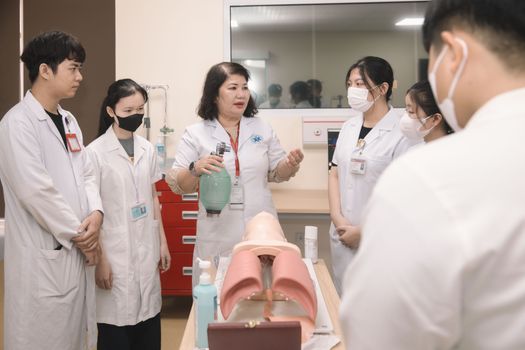
Group of medical students practicing skills with a training mannequin in a classroom setting. Photo: Duy Tân Đại học / Pexels
Embarking on a career as a Registered Nurse in California begins with choosing the right educational path. The Golden State offers two primary routes to becoming eligible for RN licensure: the Associate Degree in Nursing (ADN) and the Bachelor of Science in Nursing (BSN). Both degrees, when obtained from a program approved by the California Board of Registered Nursing (BRN), qualify you to sit for the NCLEX-RN examination. However, there are significant differences in their scope, duration, and career implications. The ADN program is typically a two-year course of study offered at community colleges. It focuses heavily on foundational nursing skills, direct patient care, and clinical rotations. This pathway is often favored by individuals seeking to enter the workforce more quickly and at a lower cost. Graduates with an ADN are well-prepared for entry-level positions in various healthcare settings, including hospitals, clinics, and long-term care facilities. While the ADN provides a solid entry point, many employers, particularly larger hospital systems, are increasingly preferring or even requiring a BSN degree due to its broader curriculum. The BSN program, usually a four-year university degree, offers a more comprehensive education. Beyond clinical skills, it delves into leadership, research, public health, community nursing, and critical thinking. This expanded knowledge base prepares nurses for a wider array of roles, including management, education, and specialized practice areas. The American Association of Colleges of Nursing (AACN) and other professional organizations advocate for the BSN as the minimum educational requirement for professional nursing practice, citing improved patient outcomes associated with a higher percentage of BSN-prepared nurses in hospitals. For those considering a BSN, many ADN-prepared nurses pursue 'RN-to-BSN' bridge programs, allowing them to earn their bachelor's degree while continuing to work. Choosing between an ADN and BSN depends on your career aspirations, time commitment, and financial considerations. Both are valid and respected routes, but understanding the long-term career advantages of a BSN is crucial for aspiring California RNs. For more information on different nursing specialties, visit our guide on nursing careers. Regardless of the chosen path, ensuring the program is approved by the California BRN is paramount. Attending an unapproved program will render you ineligible for licensure in California. Prospective students should always verify a program's accreditation status and BRN approval before enrolling. This due diligence ensures that your hard work and investment lead directly to your goal of becoming a licensed Registered Nurse in California.

Navigating the NCLEX-RN: Your Gateway to California Licensure

Two students in a classroom setting, focused on taking an exam with pencils in hand. Photo: Andy Barbour / Pexels
Once you've successfully completed an approved nursing education program in California, the next critical step toward becoming a licensed Registered Nurse is passing the National Council Licensure Examination for Registered Nurses, or NCLEX-RN. This standardized exam is a nationwide requirement for RN licensure and is designed to assess whether a candidate has the foundational knowledge, skills, and abilities necessary to perform safely and effectively as an entry-level nurse. The NCLEX-RN is administered by Pearson VUE and is a computer-adaptive test (CAT), meaning the difficulty of the questions adjusts based on your performance. The content of the NCLEX-RN is structured around four major Client Needs categories: Safe and Effective Care Environment, Health Promotion and Maintenance, Psychosocial Integrity, and Physiological Integrity. These categories are further broken down into subcategories, covering a vast range of nursing concepts from pharmacology and patient safety to ethical practice and communication. Preparing for the NCLEX-RN requires dedicated study, often beginning well before graduation. Many nursing programs incorporate NCLEX preparation into their curriculum, and graduates frequently utilize review courses, study guides, and practice questions to enhance their readiness. To register for the NCLEX-RN, you must first apply for licensure with the California Board of Registered Nursing (BRN) and receive authorization to test (ATT) from Pearson VUE. The ATT confirms your eligibility to schedule and take the exam. It's crucial to follow all application procedures carefully and submit all required documentation to both the BRN and Pearson VUE in a timely manner. The BRN will review your educational transcripts and criminal background check before granting eligibility. Passing the NCLEX-RN is not just about memorizing facts; it's about applying critical thinking and clinical judgment to various patient scenarios. The exam features different question formats, including multiple-choice, multiple-response, fill-in-the-blank, and hot spot questions, among others. A strategic approach to studying, which includes understanding the rationale behind correct and incorrect answers, is often more effective than rote memorization. If you do not pass on your first attempt, the California BRN allows for retesting after a waiting period, typically 45 days, and requires a new application and fee. Many resources are available to help you prepare effectively, ensuring you're ready to tackle this pivotal examination and move closer to your RN career in California.

Applying for Your California RN License and Maintaining Professional Standing

Close-up of a doctor stamping a prescription with a bottle of pills on a desk. Photo: www.kaboompics.com / Pexels
After successfully conquering the NCLEX-RN, the final administrative hurdle to becoming a Registered Nurse in California is submitting a complete and accurate application for licensure to the California Board of Registered Nursing (BRN). This step requires meticulous attention to detail, as any missing or incorrect information can significantly delay the processing of your license. The application package typically includes official transcripts from your nursing program, verification of your NCLEX-RN pass results (which are usually sent directly to the BRN), and a comprehensive criminal background check, including fingerprinting. California is stringent about background checks to ensure public safety, so any past legal issues will be thoroughly reviewed and may impact your eligibility for licensure. Transparency and honesty throughout this process are paramount. The BRN website provides detailed instructions and all necessary forms for licensure by examination. It is highly recommended to review these instructions carefully and gather all required documents before submitting your application. The processing times can vary, so it's advisable to apply as soon as you are eligible to avoid unnecessary delays in starting your career. Once your application is approved and your background check is cleared, the BRN will issue your California Registered Nurse license. This license signifies your official authorization to practice nursing within the state, adhering to the Nurse Practice Act and all BRN regulations. Maintaining your professional standing and license in California is an ongoing commitment. RN licenses in California must be renewed every two years. A key component of license renewal is the completion of 30 hours of approved continuing education (CE) within the two-year renewal cycle. These CE hours must be from providers approved by the BRN and should be relevant to nursing practice, patient care, or nursing education. The purpose of continuing education is to ensure that nurses remain current with the latest advancements in medical science, patient care techniques, and healthcare regulations. Failure to complete the required CE hours or renew your license on time can result in your license lapsing, which would prevent you from practicing nursing until it is reinstated. Additionally, nurses are expected to adhere to the highest ethical and professional standards of conduct. Any violations of the Nurse Practice Act, such as patient abuse, negligence, or substance abuse, can lead to disciplinary actions, including license suspension or revocation. Staying informed about BRN updates and professional guidelines is crucial for a long and successful nursing career in California. For more on professional development, consider exploring nursing certifications to enhance your career path.

Essential Tips for Aspiring California RNs and Common Pitfalls to Avoid

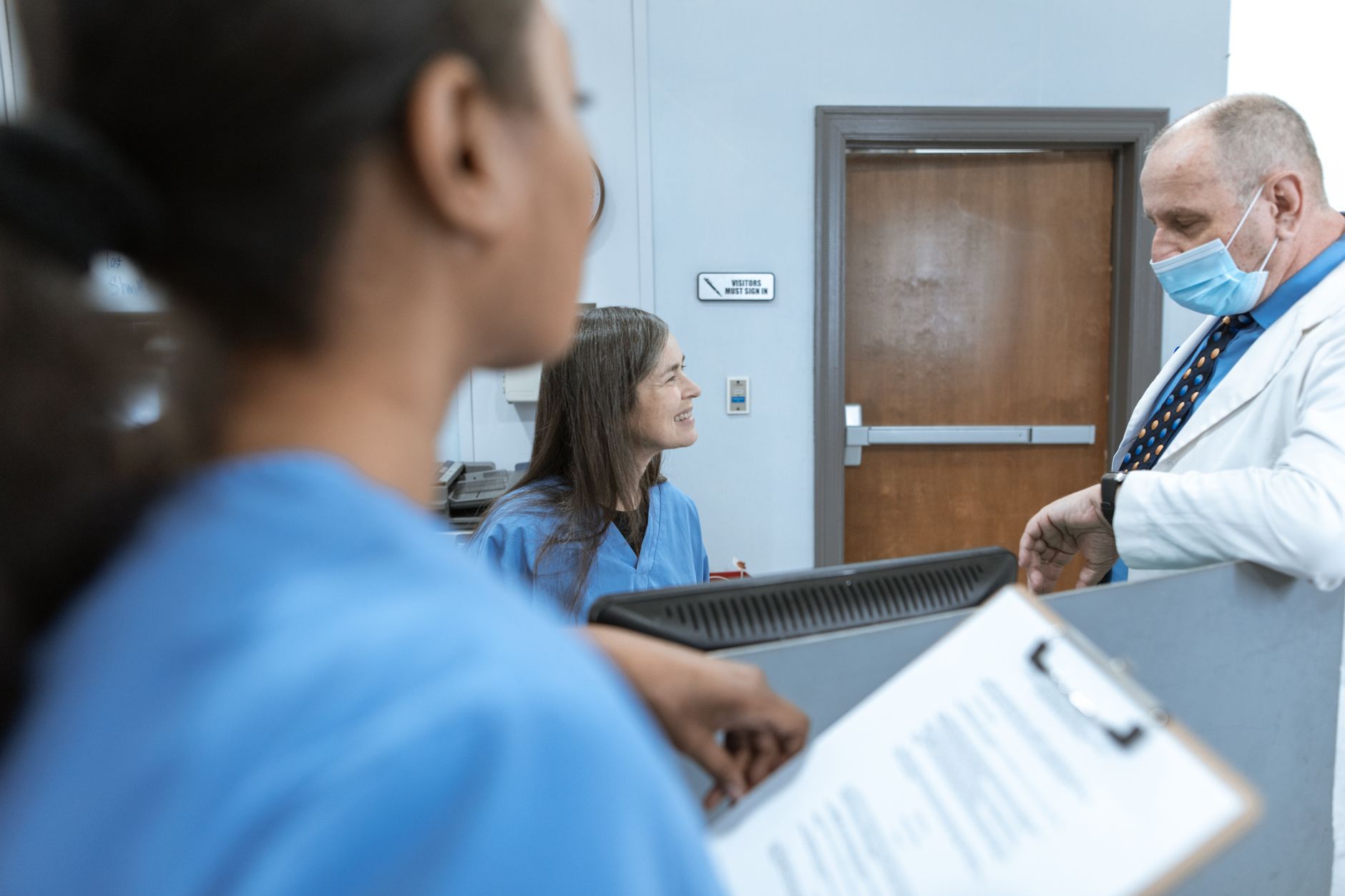
Side view of crop mature black female medic in uniform taking notes on paper document on clipboard Photo: Laura James / Pexels
Becoming a Registered Nurse in California is a challenging yet highly rewarding endeavor. To help you navigate this journey successfully, here are some essential tips and common pitfalls to avoid: **Essential Tips for Aspiring California RNs:** * **Start Networking Early:** Connect with current RNs, nursing instructors, and healthcare professionals. Networking can provide invaluable insights, mentorship opportunities, and even lead to job prospects after graduation. * **Gain Diverse Clinical Experience:** During your nursing program, actively seek out opportunities to gain experience in various clinical settings. This broad exposure will enhance your skills and help you discover your preferred specialty. * **Prioritize NCLEX-RN Preparation:** Treat NCLEX-RN prep as seriously as your nursing coursework. Utilize review courses, practice questions, and study groups. Understanding the test format and content areas is key to success. * **Understand California's Job Market:** Research specific areas within California and their demand for RNs. Larger metropolitan areas often have more openings, but also higher competition. Consider rural areas for potentially easier entry. * **Tailor Your Resume and Cover Letter:** Once licensed, customize your application materials for each job. Highlight relevant clinical rotations, skills, and your passion for patient care. * **Prepare for Interviews:** Practice answering common nursing interview questions, focusing on behavioral questions that assess your problem-solving and critical thinking skills. **Common Pitfalls to Avoid:** * **Attending Unapproved Programs:** Always verify that your chosen nursing program is approved by the California BRN. An unapproved program means your education won't count towards licensure. * **Procrastinating on NCLEX-RN Prep:** Waiting until the last minute to study for the NCLEX-RN significantly reduces your chances of passing. Consistent, focused preparation is vital. * **Ignoring Background Check Requirements:** Be upfront and honest about any past legal issues on your application. Non-disclosure can lead to severe penalties, including denial of licensure. * **Missing Licensure Application Deadlines:** Pay close attention to all deadlines for submitting your BRN application and supporting documents. Delays can push back your ability to practice. * **Neglecting Continuing Education:** Forgetting to complete your 30 hours of CE for license renewal is a common mistake that can lead to license lapse and inability to work. * **Failing to Update Contact Information:** Ensure the BRN always has your current mailing address and email. Missing important notifications can have serious consequences for your license status. By following these tips and avoiding common mistakes, you can streamline your journey to becoming a successful and licensed Registered Nurse in the dynamic healthcare landscape of California.

Comparison

FeatureBSN PathwayADN PathwayRN-to-BSN Bridge
Duration4 Years2 Years1-2 Years (after ADN)
Cost (Approx.)HigherLowerModerate
Curriculum FocusHolistic, Leadership, ResearchClinical Skills, Direct CareAdvanced Concepts, Management
Career AdvancementExcellent, Management potentialGood, Entry-level focusExcellent, Enhanced opportunities
Employer PreferenceOften Preferred/RequiredAccepted for entry-levelHighly Valued
Eligibility for NCLEX✓ (after ADN completion)

What Readers Say

"This guide was incredibly helpful in understanding how to become a registered nurse in California. The breakdown of ADN vs. BSN paths made my decision much clearer, and the NCLEX tips were invaluable for my study plan."

Sarah Chen · Los Angeles, CA

"As an aspiring RN, I felt overwhelmed by the process. This article clarified every step, from education to licensure application, making my journey to become a registered nurse in California feel much more manageable."

Michael Davis · Sacramento, CA

"Thanks to the detailed advice on preparing for the NCLEX and understanding the BRN application, I passed my exam on the first try and received my California RN license within weeks of applying. This resource was a lifesaver!"

Jessica Lee · San Francisco, CA

"The information on continuing education and license renewal was particularly useful. It's a comprehensive guide, though I wish there was a bit more detail on specific nursing school recommendations within California."

David Rodriguez · San Diego, CA

"This article provided a fantastic roadmap for someone like me, who was considering a career change into nursing. The clear steps and common pitfalls helped me anticipate challenges and plan effectively for how to become a registered nurse in California."

Emily White · Oakland, CA

Frequently Asked Questions

What are the primary educational requirements to become an RN in California?

To become an RN in California, you must complete either an Associate Degree in Nursing (ADN) or a Bachelor of Science in Nursing (BSN) from a program approved by the California Board of Registered Nursing (BRN). Both degrees qualify you to sit for the NCLEX-RN exam.

Is a BSN required to practice as an RN in California?

No, a BSN is not strictly required to obtain an initial RN license in California; an ADN is also sufficient. However, many healthcare facilities, especially larger hospitals, increasingly prefer or require a BSN for new hires and for career advancement opportunities.

How long does it take to become a Registered Nurse in California?

The timeline varies based on your chosen educational path. An ADN program typically takes about two years, while a BSN program usually takes four years. After graduation, you'll need additional time for NCLEX-RN preparation, taking the exam, and processing your licensure application, which can add several months.

What is the cost associated with becoming an RN in California?

The cost can vary significantly. Tuition for ADN programs at community colleges is generally lower than for BSN programs at universities. Additional costs include textbooks, uniforms, exam fees (NCLEX-RN is around $200), application fees for the BRN, and continuing education. Overall, expect several thousands to tens of thousands of dollars, depending on your choices.

How does California's RN licensing compare to other states?

California is not part of the Nurse Licensure Compact (NLC), meaning an RN license from another state does not automatically grant you the right to practice in California. You must apply for licensure by endorsement with the California BRN, meeting all their specific educational, examination, and background check requirements, which can be more stringent than some other states.

Who should pursue a career as a Registered Nurse in California?

Individuals with a strong desire to help others, excellent critical thinking skills, compassion, resilience, and a commitment to lifelong learning should consider becoming an RN in California. The state offers diverse opportunities in various healthcare settings and competitive salaries for dedicated professionals.

What if I have a criminal record? Can I still become an RN in California?

The California BRN conducts thorough criminal background checks. While a criminal record doesn't automatically disqualify you, certain convictions, especially those related to patient safety or substance abuse, can impede licensure. The BRN reviews each case individually, considering the nature of the crime, rehabilitation efforts, and time elapsed. Full disclosure is crucial.

What are the future career prospects for RNs in California?

The demand for Registered Nurses in California is projected to remain high due to an aging population, increasing chronic diseases, and a growing emphasis on preventative care. RNs in California can expect excellent job security and opportunities for specialization, career advancement, and competitive salaries.

Ready to make a profound difference in people's lives and build a fulfilling career? Follow our comprehensive guide on how to become a Registered Nurse in California and take the first step towards your dream profession. Your journey to becoming an essential healthcare hero starts here.

Topics: registered nurse CaliforniaRN license Californianursing schools CaliforniaNCLEX CaliforniaCalifornia Board of Registered Nursing
Leo List
Brampton weed
Adultwork