How much does cannabis cost in Toronto? Your Medical Guide
How much does cannabis cost in Toronto?

How much does cannabis cost in Toronto? Your Medical Guide

Close-up of cannabis packaging with a THC warning label on a purple background, highlighting safety and regulatory compliance.Photo: Sadi Hockmuller / Pexels

How much does cannabis cost in Toronto? Your Medical Guide

Navigate the complex landscape of medical cannabis pricing in Toronto to make informed decisions for your health.

Explore Pricing Insights

Key Takeaways

  • ✓ Medical cannabis prices in Toronto vary significantly based on product type, potency, and licensed producer.
  • ✓ The average cost for dried flower can range from $5 to $15+ per gram, with oils and edibles often priced higher.
  • ✓ Licensed producers (LPs) offer medical patients a regulated and often more consistent supply than recreational stores.
  • ✓ Many LPs provide compassionate pricing programs, discounts for veterans, or bulk purchase options for medical patients.
  • ✓ Insurance coverage for medical cannabis is slowly expanding, offering potential cost relief for some patients.

How It Works

1
Understand Product Types

Cannabis comes in various forms like dried flower, oils, edibles, and topicals. Each type has different production costs and, consequently, different retail prices.

2
Identify Licensed Producers

Medical cannabis must be purchased from a Health Canada-licensed producer. Prices can vary between LPs due to cultivation methods, strains, and business models.

3
Explore Compassionate Pricing

Many LPs offer financial assistance programs for patients with low incomes or specific conditions. Inquire about these programs to potentially reduce your costs.

4
Consider Insurance Coverage

Check if your private health insurance plan covers medical cannabis. Coverage is still limited but growing, and it could significantly offset your expenses.

Understanding the Factors Influencing Medical Cannabis Costs in Toronto
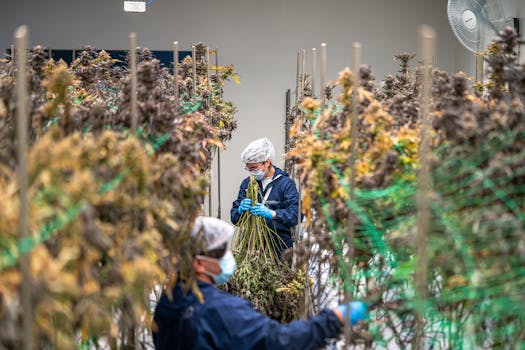
Workers in protective gear handling cannabis plants in an indoor facility.Photo: Diego Barros / Pexels
The question of "How much does cannabis cost in Toronto?" for medical patients is multifaceted, with prices influenced by a complex interplay of factors. Unlike recreational cannabis, which is often subject to more standardized pricing in retail stores, medical cannabis purchased directly from licensed producers (LPs) can exhibit a wider range of costs. Understanding these contributing elements is crucial for any patient seeking to manage their treatment budget effectively. Firstly, the form of cannabis plays a significant role. Dried flower, often considered the most traditional form, typically has the lowest per-gram cost. However, even within dried flower, prices fluctuate based on factors like strain rarity, THC/CBD potency, cultivation methods (indoor vs. greenhouse, organic practices), and even the trim quality. High-potency or exotic strains often command premium prices. Concentrates, such as oils, tinctures, capsules, and edibles, generally carry a higher price tag per dose or per milligram of active cannabinoid. This is due to the additional processing, extraction, and refinement required to produce these products, which involves specialized equipment and expertise. For instance, a gram of dried flower might cost $7-$12, while an equivalent dose of THC in an oil could cost more due to its concentration and formulation. Patients need to consider not just the upfront cost but also the potency and bioavailability of different forms when assessing value. Secondly, the specific Licensed Producer (LP) you choose will have a direct impact on pricing. Health Canada-licensed producers operate under stringent regulations, but their business models, cultivation practices, and product portfolios vary. Some LPs focus on premium, craft cannabis, while others prioritize larger-scale production to offer more competitive pricing. It’s not uncommon to see a difference of several dollars per gram for comparable products across different LPs. Many LPs also offer a diverse range of products, from budget-friendly options to high-end selections, catering to different patient needs and financial capacities. It's advisable for patients to compare prices and product offerings from several LPs before registering with one. Thirdly, market dynamics and supply chain efficiency contribute to cost variations. While the Canadian cannabis market is maturing, fluctuations in supply and demand, particularly for specific strains or product types, can affect prices. Production costs, including energy, labour, and regulatory compliance, are also passed on to the consumer. Furthermore, the volume of your purchase can influence the per-unit cost; some LPs offer slight discounts for larger orders, incentivizing patients to buy in bulk. For medical patients, understanding these nuances is key to optimizing their cannabis therapy budget. Learn more about choosing the right medical cannabis product for your needs. Finally, the evolving regulatory landscape and taxation policies also play a part. While medical cannabis is often taxed differently than recreational, sales taxes (like HST in Ontario) still apply. Any future changes to these policies could impact consumer prices. It's important for patients to stay informed about these potential shifts to anticipate any changes in their treatment costs. By considering all these factors, medical cannabis users in Toronto can gain a clearer picture of what to expect regarding pricing and how to navigate the market strategically.

Average Prices for Different Medical Cannabis Products in Toronto
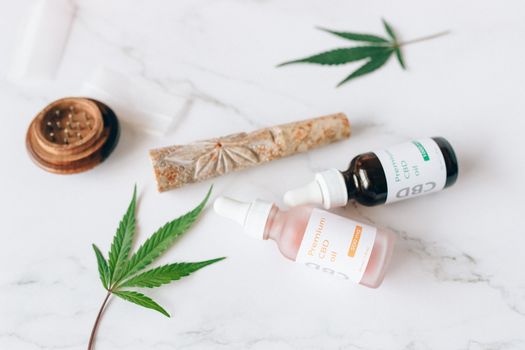
Flat lay of CBD oil dropper bottles and hemp leaves on a marble surface.Photo: Nataliya Vaitkevich / Pexels
To provide a more concrete answer to "How much does cannabis cost in Toronto?" for medical patients, let's break down the typical price ranges for various product categories. These figures are averages and can fluctuate based on the factors discussed previously, but they offer a good starting point for budgeting and comparison. **Dried Flower:** This is generally the most common and often the most affordable form of medical cannabis. Prices for dried flower typically range from **$5 to $15+ per gram**. * **Budget-friendly options:** You might find some strains as low as $5-$7 per gram, especially if they are high-CBD or less potent THC varieties, or if purchased in larger quantities. These are often suitable for patients who require consistent, moderate dosing. * **Mid-range options:** Most popular strains and mid-potency products fall into the $8-$12 per gram range. This segment offers a good balance of quality and cost. * **Premium options:** High-potency, rare, or craft-cultivated strains can easily exceed $12-$15 per gram, appealing to patients seeking specific terpene profiles or maximum therapeutic effects. **Cannabis Oils and Tinctures:** These concentrated forms offer precise dosing and longer-lasting effects, but come at a higher initial cost. Prices are usually expressed per milliliter (ml) or per bottle, with potency (mg of THC/CBD per ml) being a key differentiator. * A 30ml bottle of cannabis oil (e.g., 10mg/ml THC) can range from **$30 to $80+**. Higher potency oils (e.g., 25mg/ml or 50mg/ml THC/CBD) will naturally be more expensive per bottle but may offer better value per milligram of cannabinoid if you require higher doses. For instance, a 30ml bottle of 25mg/ml THC oil might cost $90-$150. **Cannabis Capsules:** Similar to oils, capsules offer discreet and precise dosing. They are often priced similarly to oils, reflecting the concentrated nature of the product and the encapsulation process. * A bottle of 30 capsules, each containing 5-10mg of THC or CBD, can cost between **$40 and $100+**. Again, higher potency per capsule will increase the overall bottle price. **Edibles (Medical Grade):** While recreational edibles are widely available, medical-grade edibles purchased from LPs often come in higher potencies and are formulated for therapeutic use. * Prices for medical edibles can vary widely depending on the format (e.g., chocolates, gummies, baked goods) and total cannabinoid content. A package containing 100mg of THC spread across several pieces might cost **$20 to $50**. **Topicals:** These products are applied externally for localized relief and are typically priced based on the size of the container and the concentration of cannabinoids. * A cream or balm (e.g., 50g jar with 200-500mg CBD/THC) can range from **$30 to $70+**. It's important to calculate the cost per milligram of active cannabinoid (THC or CBD) for oils, capsules, and edibles to truly compare value across different products and LPs. For example, an oil that costs $60 for 500mg THC is more cost-effective per milligram than an oil that costs $40 for 200mg THC, even if the latter has a lower upfront price. This analytical approach empowers patients to make more economically sound decisions for their medical treatment.

For more options, check out Weed Dank.

Strategies for Reducing Your Medical Cannabis Costs in Toronto

Smiling female doctor with a tablet and stethoscope in a bright office setting.Photo: Tessy Agbonome / Pexels
Managing the cost of medical cannabis in Toronto is a significant concern for many patients, but several strategies can help make treatment more affordable. Understanding and utilizing these options is key to ensuring consistent access to necessary medication without undue financial strain. One of the most impactful strategies is to **explore compassionate pricing programs**. Many Health Canada-licensed producers (LPs) recognize the financial burden that medical cannabis can place on patients, especially those with chronic conditions or limited incomes. These programs typically offer significant discounts, sometimes up to 25-30% or more, on their products. Eligibility often depends on factors such as low-income status (verified through tax documents), receiving government assistance, or being a veteran. It is crucial to proactively inquire about these programs when registering with an LP or even if you are an existing patient. Don't assume an LP offers it; always ask, as the savings can be substantial over time. Another effective approach is to **compare prices across multiple Licensed Producers**. While you can only be registered with one LP at a time for your medical document, you can certainly research and compare their offerings before making your choice. Many LPs have their product menus and pricing publicly available online, or you can request this information. Look not just at the per-gram price of dried flower, but also at the cost per milligram of active cannabinoids for oils, capsules, and concentrates. Some LPs might have lower prices for certain product categories, or they might frequently offer sales or promotions. Switching LPs is a straightforward process, requiring you to simply transfer your medical document, allowing you to move to a provider that offers better value for your specific needs. Discover how to switch your medical cannabis provider. **Bulk purchasing** can also lead to savings. While not all LPs offer explicit bulk discounts, buying larger quantities of dried flower (e.g., 15g or 30g instead of 5g or 10g) can sometimes result in a slightly lower per-gram price. This strategy requires careful planning to ensure the product remains fresh and potent for your consumption period. Proper storage solutions, such as airtight containers in a cool, dark place, are essential to maintain quality. Finally, **investigating insurance coverage and tax deductions** can provide significant financial relief. While comprehensive private insurance coverage for medical cannabis is not yet universal, it is slowly expanding. Many workplace benefits plans, especially those with health spending accounts (HSAs) or flexible spending accounts (FSAs), may cover medical cannabis if prescribed by a healthcare practitioner. It’s imperative to contact your insurance provider directly to understand your specific policy’s terms and conditions. Furthermore, medical cannabis expenses can be claimed as a medical expense on your Canadian income tax return, potentially reducing your overall tax burden. Keep meticulous records of all your medical cannabis purchases, including receipts and your medical document, to facilitate these claims. By combining these strategies, patients can significantly mitigate the financial impact of their medical cannabis treatment in Toronto.

Common Mistakes to Avoid When Purchasing Medical Cannabis in Toronto
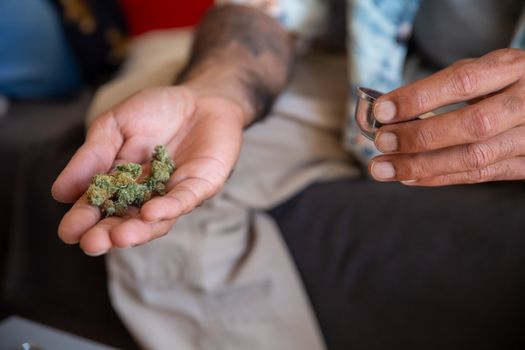
Close-up of an adult's hand holding cannabis buds with a canister, showcasing herbal marijuana use.Photo: Kampus Production / Pexels
Navigating the medical cannabis market in Toronto can be complex, and patients often make common mistakes that can lead to increased costs or less effective treatment. Being aware of these pitfalls can help you make more informed and economical decisions. **1. Not Comparing Licensed Producers (LPs):** A frequent error is sticking with the first LP you register with without exploring others. As highlighted, prices, product ranges, and compassionate pricing programs vary significantly between LPs. Failing to compare means you might be missing out on better value or products more suited to your specific medical needs and budget. Take the time to research at least 2-3 LPs before committing. **2. Overlooking Compassionate Pricing Programs:** Many patients are either unaware of or hesitant to apply for compassionate pricing. These programs are designed to make medical cannabis accessible. If you meet the income or other eligibility criteria, not applying is leaving money on the table. Always ask your chosen LP about their financial assistance options. **3. Focusing Only on Upfront Price:** A common mistake, especially with concentrates like oils or capsules, is only looking at the total price of a bottle or package. The true cost-effectiveness lies in the cost per milligram of active cannabinoid (THC or CBD). A product with a higher upfront price but a significantly higher concentration might be more economical in the long run than a cheaper, less potent option. Always do the math: (Total Cost / Total Milligrams of Cannabinoid) to find the best value. **4. Improper Storage Leading to Waste:** Cannabis, especially dried flower, degrades over time if not stored correctly. Exposure to light, air, heat, and humidity can reduce potency and alter flavour, effectively wasting your money. Investing in proper storage solutions – airtight, opaque containers stored in a cool, dark place – will preserve your product and ensure you get the full therapeutic benefit from your purchase. **5. Ignoring Your Doctor's Recommendations:** While personal research is valuable, your prescribing healthcare practitioner has assessed your medical history and can provide tailored advice on product types, potencies, and dosages. Veering too far from their recommendations without consultation can lead to ineffective treatment or even adverse effects, requiring you to purchase more product or different types, ultimately increasing costs. **6. Not Tracking Your Usage and Effects:** Without tracking, it’s hard to know which products and dosages are most effective for your condition. This can lead to over-purchasing or buying products that don't provide adequate relief. Keep a simple journal of product used, dosage, time, and effects to optimize your treatment and avoid unnecessary expenses. By avoiding these common mistakes, medical cannabis patients in Toronto can ensure they are making the most cost-effective and therapeutically beneficial choices for their health.

Comparison

FeatureDried FlowerCannabis Oils/TincturesCannabis CapsulesTopicals
Average Cost (per unit)$5-$15+/gram$30-$150+/30ml bottle$40-$100+/30 capsules$30-$70+/jar
Dosing PrecisionModerate (requires grinding/weighing)High (measured with dropper)Very High (pre-measured doses)Moderate (application amount)
Onset TimeFast (minutes)Moderate (30-90 min)Moderate (30-90 min)Slow (localized, 15-60 min)
Duration of EffectsShort (1-4 hours)Long (4-8 hours)Long (4-8 hours)Variable (localized, 2-6 hours)
DiscretionLow (odour, paraphernalia)HighVery HighHigh
Processing Cost FactorLowHighHighMedium

What Our Readers Say

5 ★★★★★

"Before reading this, I had no idea how much cannabis cost in Toronto for medical users, or that compassionate pricing existed. I found an LP with a great program, saving me nearly 25% on my monthly supply for my chronic pain."

5 ★★★★★

"This guide truly broke down the pricing of different medical cannabis products. I now understand why oils cost more and how to calculate the cost per milligram, which helps me make smarter purchases for my anxiety."

5 ★★★★★

"I was consistently overpaying for my medical cannabis. After implementing the strategies here, particularly comparing LPs and checking for bulk discounts, I've reduced my expenses by about $70 a month without compromising my treatment."

4 ★★★★☆

"The information on insurance coverage was really helpful. My plan doesn't fully cover it yet, but understanding the potential for tax deductions was a good tip. It's a complex topic, and this article provides a solid overview."

5 ★★★★★

"As a new medical patient, the question 'How much does cannabis cost in Toronto?' was overwhelming. This article simplified everything, from product types to cost-saving tips, making my journey much clearer and less stressful."

Frequently Asked Questions

What is the average cost of dried medical cannabis flower in Toronto?
The average cost for dried medical cannabis flower in Toronto typically ranges from $5 to $15+ per gram. This price can vary based on factors such as the strain's potency, rarity, cultivation methods, and the specific licensed producer (LP) you purchase from. Budget-friendly options are usually found at the lower end, while premium or high-potency strains command higher prices.
Can I get medical cannabis covered by my insurance in Toronto?
Insurance coverage for medical cannabis in Toronto is still evolving. Some private health insurance plans, particularly those with Health Spending Accounts (HSAs) or Flexible Spending Accounts (FSAs), may offer coverage if medical cannabis is prescribed by a healthcare practitioner. It's essential to contact your specific insurance provider to understand your policy's terms and conditions regarding medical cannabis.
How can I reduce the cost of my medical cannabis in Toronto?
To reduce costs, you can explore several strategies: inquire about compassionate pricing programs offered by licensed producers (LPs), compare prices and product offerings across different LPs, consider bulk purchasing for potential per-gram savings, and investigate if your private health insurance or health spending account covers medical cannabis expenses. Additionally, medical cannabis expenses are often eligible for tax deductions.
Are medical cannabis prices in Toronto higher than recreational cannabis prices?
Not necessarily. While recreational cannabis prices in Toronto are generally more standardized through the Ontario Cannabis Store (OCS) and authorized retailers, medical cannabis purchased directly from licensed producers (LPs) can offer competitive pricing, especially when factoring in compassionate pricing programs, bulk discounts, and the broader product range available for medical patients. It's important to compare specific products and their cannabinoid content for an accurate comparison.
Is it cheaper to buy cannabis oil or dried flower for medical use?
Generally, dried flower tends to have a lower upfront cost per gram than cannabis oils. However, when assessing true value, it's crucial to calculate the cost per milligram of active cannabinoid (THC or CBD). Oils often offer higher potency and precise dosing, potentially making them more cost-effective per dose for some patients, despite a higher initial purchase price. Your treatment needs and dosage requirements will largely dictate which is more economical for you.
Who should consider medical cannabis in Toronto?
Individuals in Toronto who suffer from chronic conditions such as severe pain, anxiety, epilepsy, multiple sclerosis, or other ailments for which conventional treatments have been ineffective or caused severe side effects, should consider consulting a healthcare practitioner about medical cannabis. A doctor can assess suitability and provide a medical document for legal access.
What are the risks of buying medical cannabis from unregulated sources?
Buying medical cannabis from unregulated sources in Toronto carries significant risks, including inconsistent product quality, inaccurate potency labeling, presence of harmful contaminants (pesticides, heavy metals, mold), and lack of legal protection. Licensed producers are subject to stringent Health Canada regulations, ensuring product safety, quality, and accurate labeling, which is crucial for medical patients.
What is the future trend for medical cannabis pricing in Toronto?
The future trend for medical cannabis pricing in Toronto is likely to see continued stability and potentially further price reductions as the market matures, competition among licensed producers increases, and economies of scale are achieved. Innovation in product development and processing efficiency could also lead to more cost-effective therapeutic options over time, benefiting medical patients.

Navigating the cost of medical cannabis in Toronto doesn't have to be overwhelming. By understanding the factors influencing pricing and utilizing the strategies outlined in this guide, you can make informed choices that prioritize both your health and your budget. Take control of your medical cannabis journey today.

Topics: How much does cannabis cost in Toronto?medical cannabis Toronto pricecannabis dispensary prices Torontocost of medical marijuana Ontarioaffordable medical cannabis Toronto
Leo List
Brampton weed
Adultwork