How to Find a Primary Care Doctor California: Your Guide
find a primary care doctor California

How to Find a Primary Care Doctor California: Your Guide

Navigate the Golden State's healthcare landscape to secure the ideal primary care physician for your well-being.

Start Your Search

Key Takeaways

  • ✓ California's diverse healthcare landscape offers numerous primary care options, from large networks to independent practices.
  • ✓ Choosing the right primary care physician (PCP) is crucial for preventative care, managing chronic conditions, and coordinating specialist referrals.
  • ✓ Insurance coverage significantly impacts your choice of PCP; verify network compatibility before committing.
  • ✓ Telehealth and virtual care options are increasingly common in California, offering convenient alternatives for certain appointments.

How It Works

1
Assess Your Needs & Preferences

Before starting your search, consider what's most important to you: location, gender preference, specific medical conditions, or communication style. This initial assessment will narrow down your options considerably.

2
Leverage Resources & Verify Insurance

Utilize online directories, your insurance provider's website, and local hospital affiliations to generate a list of potential PCPs. Crucially, confirm that any prospective doctor is in-network with your health insurance plan to avoid unexpected costs.

3
Research & Shortlist Candidates

Dive deeper into each doctor's background: read patient reviews, check their certifications, and understand their practice philosophy. Create a shortlist of 2-3 doctors who seem like a good fit based on your research.

4
Schedule a 'Meet and Greet'

Many practices offer brief introductory appointments where you can meet the doctor and their staff, ask questions, and gauge compatibility. This personal interaction is invaluable for making your final decision.

Understanding the Role of Your Primary Care Physician in California
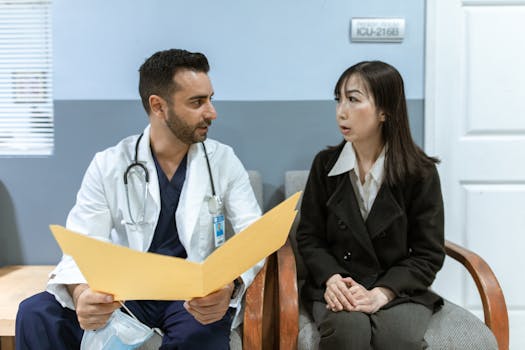
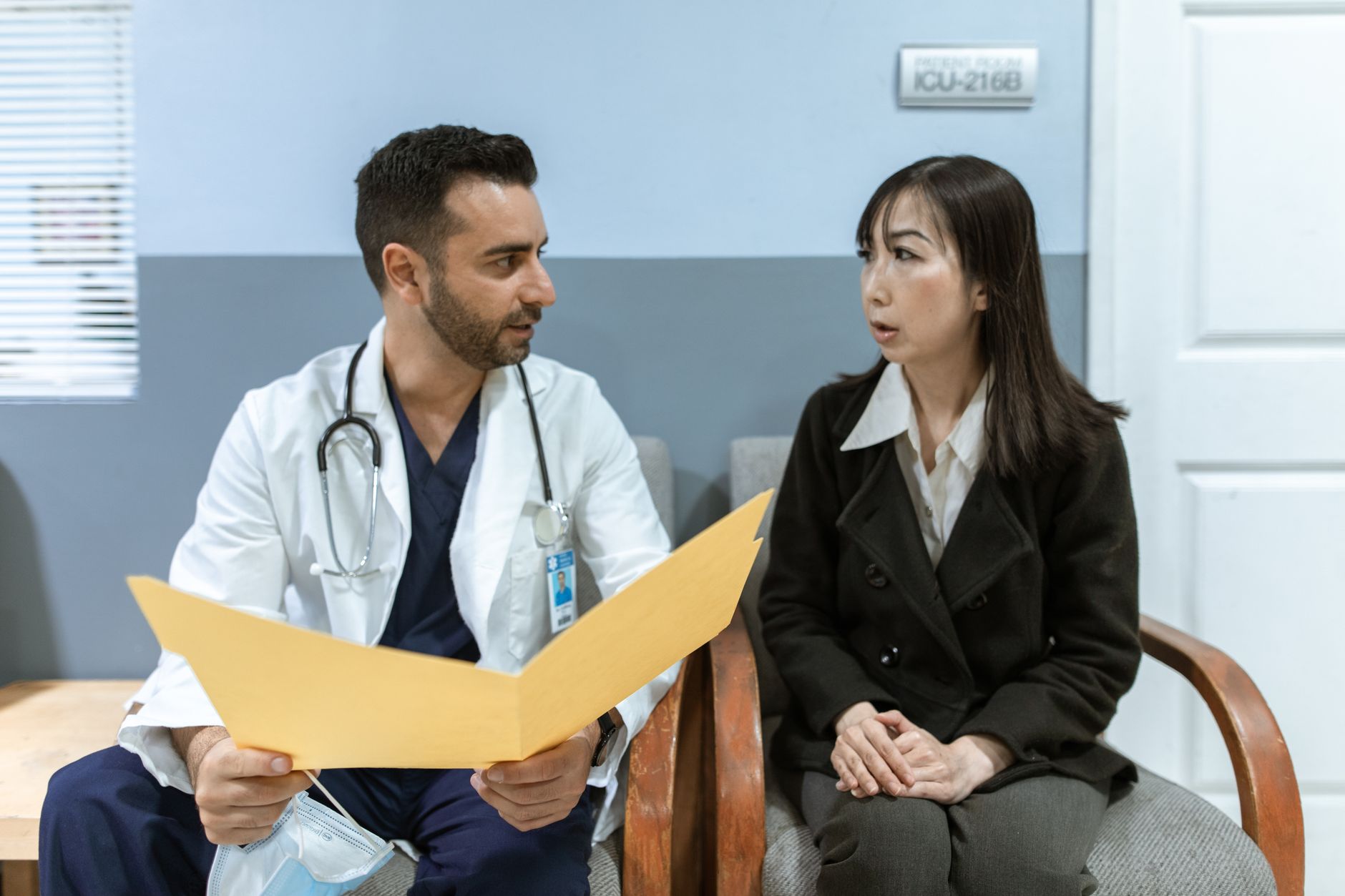
Healthcare professional consults patient in clinical setting. Medical discussion and diagnosis. Photo: RDNE Stock project / Pexels
Finding the right primary care doctor in California is more than just selecting a healthcare provider; it's about establishing a long-term relationship with a central figure in your health journey. A primary care physician (PCP) serves as your first point of contact for most medical concerns, playing a pivotal role in preventative care, early disease detection, and chronic disease management. In the vast and diverse state of California, where healthcare systems can vary significantly from one region to another, having a trusted PCP is essential for navigating the complexities of modern medicine. They are your medical advocate, coordinating care with specialists, interpreting test results, and ensuring a holistic approach to your well-being. Without a dedicated PCP, you might find yourself relying on urgent care clinics for routine issues or struggling to find appropriate specialist referrals, which can lead to fragmented care and potentially higher costs in the long run. The importance of a PCP extends beyond just addressing immediate health issues. They build a comprehensive understanding of your medical history, lifestyle, and family health patterns over time. This deep knowledge allows for personalized care plans, targeted preventative screenings, and proactive health advice tailored specifically to you. For instance, a long-standing PCP will know your vaccination history, be aware of any recurring allergies, and track your progress on chronic conditions like diabetes or hypertension, making adjustments to your treatment as needed. This continuity of care is a cornerstone of effective healthcare, reducing the likelihood of medical errors and improving overall health outcomes. Moreover, in California's often bustling urban centers and sprawling rural areas, a PCP can act as a crucial guide, helping you access local resources, support groups, and community health initiatives that can further enhance your health. They are often the gatekeepers to specialized services, ensuring you see the right expert at the right time, whether it's a dermatologist for a skin condition or a cardiologist for heart concerns. Ultimately, investing time to find a primary care doctor in California is an investment in your long-term health and peace of mind, providing a consistent and reliable point of contact within the healthcare system. It's about empowering yourself with a medical partner who understands your unique needs and can champion your health goals throughout your life. Understanding preventative care is a key aspect they will guide you through.

Navigating California's Healthcare Landscape: Where to Begin Your Search

Bright neon medical clinic signage at night, creating a vivid street scene. Photo: Erik Mclean / Pexels
California's healthcare landscape is as varied as its geography, ranging from vast integrated healthcare systems like Kaiser Permanente and Sutter Health to independent private practices and community health centers. This diversity, while offering numerous options, can also make the search for a primary care doctor feel overwhelming. The key is to approach your search systematically, leveraging the wealth of resources available. Your health insurance provider's website should be your first port of call. Most insurance companies offer a 'find a provider' tool that allows you to search for in-network PCPs by specialty, location, and even gender. This step is critical to ensure that the doctor you choose accepts your insurance plan, preventing unexpected out-of-pocket expenses. Beyond insurance directories, reputable online platforms like Zocdoc, Healthgrades, and Vitals provide extensive databases of doctors, complete with patient reviews, practice information, and sometimes even appointment scheduling capabilities. These platforms can offer valuable insights into a doctor's bedside manner, wait times, and the overall patient experience. Hospitals and medical groups are another excellent resource. Many major hospitals in California are affiliated with large networks of primary care physicians. Checking the websites of local hospitals in your area – whether it's Cedars-Sinai in Los Angeles, UCSF Medical Center in San Francisco, or UCSD Health in San Diego – can lead you to a list of affiliated PCPs. These affiliations often signify a certain standard of care and access to a broader range of specialists within the same system. Don't underestimate the power of word-of-mouth recommendations. Ask friends, family, and colleagues who live in California about their PCPs. Personal referrals can provide invaluable insights into a doctor's practice and personality that online reviews might miss. However, always cross-reference these recommendations with your insurance plan and online research. For those in rural or underserved areas, community health centers (CHCs) funded by federal and state programs offer affordable and accessible primary care services, often on a sliding scale based on income. These centers are vital for ensuring everyone has access to quality healthcare, regardless of their ability to pay. Additionally, consider the rise of telehealth services in California. Many practices now offer virtual consultations, which can be a convenient option for initial screenings, follow-ups, or minor ailments, expanding your potential pool of doctors beyond immediate geographical limitations. By combining these different search strategies, you can effectively navigate California's complex healthcare system and identify promising candidates for your primary care needs.

Key Considerations When Choosing Your Primary Care Provider

A doctor provides support to a patient in a hospital corridor, highlighting compassion in healthcare. Photo: RDNE Stock project / Pexels
Once you have a list of potential primary care doctors in California, it's time to refine your selection based on several crucial factors. The goal is to find a physician who not only meets your medical needs but also aligns with your personal preferences and values. First and foremost, consider the doctor's specialization. While all PCPs provide general care, some might have additional focuses, such as family medicine (caring for all ages), internal medicine (adults only), or pediatrics (children only). Ensure their specialization matches your household's needs. For a family, a family medicine doctor might be ideal, offering the convenience of a single practice for everyone. Next, location and accessibility are paramount. A doctor's office that is conveniently located near your home or workplace can significantly reduce stress and make it easier to attend appointments, especially for routine check-ups or when you're feeling unwell. Consider parking availability, public transport options, and the practice's hours of operation. Do they offer evening or weekend appointments? What are their policies for urgent, same-day appointments? Communication style is another critical element. Do you prefer a doctor who is direct and to the point, or one who takes more time to explain things in detail? Do they actively listen to your concerns and involve you in decision-making? Reading patient reviews can offer clues, but a 'meet and greet' appointment (if offered) is the best way to assess this firsthand. Pay attention to how the doctor and their staff communicate – clear, empathetic, and respectful communication is a hallmark of good care. Consider the practice's technology and patient portal. Many modern practices offer online portals where you can schedule appointments, request prescription refills, view lab results, and communicate with your doctor electronically. This can greatly enhance convenience and efficiency. Furthermore, inquire about the doctor's affiliation with hospitals or larger healthcare networks. Being part of an integrated system can offer seamless referrals to specialists and access to a broader range of medical services, which can be particularly beneficial if you have complex health needs. Finally, don't overlook your gut feeling. A strong patient-doctor relationship is built on trust and comfort. If something doesn't feel right, it's perfectly acceptable to continue your search until you find a doctor with whom you feel genuinely comfortable and confident. Your health is too important to settle for anything less than the best fit. Understanding your health insurance is crucial for this step.

Essential Questions to Ask and Mistakes to Avoid

A doctor in a face mask discusses diagnosis with a patient in a clinic setting. Photo: Gustavo Fring / Pexels
To ensure you find the absolute best primary care doctor in California for your needs, preparing a list of questions for your initial consultations or phone interviews is highly recommended. This proactive approach allows you to gather vital information and assess compatibility beyond what's available online. Here are some essential questions to consider: * **What is your approach to preventative care and wellness?** This reveals their philosophy on proactive health management. * **How do you handle after-hours emergencies or urgent care needs?** Understand their protocol for when the office is closed. * **Which hospitals are you affiliated with?** Important for specialist referrals and hospital stays. * **What is your typical appointment availability? How long do appointments usually last?** Helps manage expectations for scheduling and consultation time. * **Do you use an electronic health record (EHR) system, and is there a patient portal?** Essential for managing your health information and communicating with the office. * **What are your thoughts on telehealth or virtual visits?** Relevant for convenience and accessibility. * **How do you involve patients in their healthcare decisions?** Gauges their patient-centered approach. Equally important are the common mistakes to avoid during your search: * **Not verifying insurance coverage:** This is perhaps the biggest pitfall. Always double-check that the doctor is in-network with your specific insurance plan to avoid exorbitant out-of-pocket costs. Never assume. * **Relying solely on online reviews:** While helpful, reviews can be subjective. Use them as a guide, but prioritize personal interviews or 'meet and greets' for a more accurate assessment. * **Ignoring location and accessibility:** A great doctor who is too far away or has inconvenient hours might lead to missed appointments and neglected care. * **Failing to consider communication style:** If you prefer detailed explanations and your doctor is terse, or vice-versa, it can lead to frustration and misunderstanding. * **Not asking about hospital affiliations:** If you ever need specialist care or hospitalization, knowing your PCP's affiliations can streamline the process. * **Settling for the first available doctor:** While sometimes necessary in urgent situations, for long-term primary care, take your time to find the best fit. * **Not trusting your instincts:** If you feel uncomfortable or unheard, it's a red flag. A good patient-doctor relationship is built on trust and mutual respect. By being thorough and avoiding these common pitfalls, you significantly increase your chances of finding a primary care doctor in California who will be a true partner in your health.

Comparison

FeatureIntegrated Health System (e.g., Kaiser)Large Medical Group (e.g., Sutter, Dignity)Independent Private PracticeCommunity Health Center
Care CoordinationExcellent (all-in-one)Very Good (centralized)Good (requires patient effort)Good (focus on holistic care)
Specialist AccessInternal referrals, often easierWithin network, usually streamlinedExternal referrals, patient-drivenReferrals to external specialists
Insurance AcceptanceSpecific plans only (HMO)Broad (PPO, HMO, etc.)Variable (check specific plans)Often accepts all, sliding scale
Cost StructurePredictable, often lower out-of-pocketVaries by plan, can have co-paysVaries widely, potential for higher costsAffordable, income-based
PersonalizationCan be less personalized due to sizeGood balance of personalization/resourcesHighly personalized, strong patient bondPersonalized, community-focused
Technology & Portals✓ (variable)✓ (growing)

What Readers Say

"I was overwhelmed trying to find a primary care doctor in California after moving here. This guide helped me understand the different types of practices and what questions to ask. I found a wonderful doctor who truly listens!"

Sarah J. · San Diego, CA

"My insurance company's website was confusing. This article broke down the steps clearly, especially about verifying insurance and utilizing online directories. I'm so relieved to have found a great PCP near me."

Michael T. · Sacramento, CA

"After a bad experience with a previous doctor, I used the advice here to find a primary care doctor in California that fit my needs. The 'meet and greet' suggestion was invaluable; I now have a doctor I trust completely."

Maria P. · Los Angeles, CA

"The article provided a solid framework for my search. While the process still took some time due to appointment availability, the tips on questions to ask and avoiding common mistakes were particularly helpful in narrowing down my options."

David L. · San Francisco, CA

"As someone new to California, the insights into the state's diverse healthcare landscape were very eye-opening. I appreciated the comparison of different healthcare settings, which helped me choose between a large group and a smaller practice."

Jessica R. · Oakland, CA

Frequently Asked Questions

What is the best way to find a primary care doctor in California who accepts my insurance?

The most effective way is to start with your health insurance provider's website. They will have a 'find a provider' tool that allows you to filter by specialty, location, and insurance plan. Always call the doctor's office directly to confirm they accept your specific plan and are accepting new patients.

I'm new to California and don't know anyone. How can I get recommendations for a good PCP?

Beyond asking new colleagues or acquaintances, utilize reputable online doctor review platforms like Zocdoc, Healthgrades, and Vitals. These sites offer patient reviews and detailed doctor profiles, giving you a good starting point for your search.

What questions should I ask when I call a doctor's office to inquire about becoming a new patient?

Key questions include: 'Are you accepting new patients?', 'Do you accept my specific insurance plan?', 'What are your office hours?', 'How do you handle urgent care needs after hours?', and 'Do you offer a 'meet and greet' appointment?'

Is it more expensive to see a primary care doctor in California compared to other states?

Healthcare costs in California can vary widely by region and insurance plan. While some areas, particularly major metropolitan ones, might have higher average costs, your out-of-pocket expenses largely depend on your insurance coverage and whether your doctor is in-network. Community health centers offer affordable options.

Should I choose a doctor affiliated with a large hospital system or an independent practice?

Both have benefits. Large systems often offer integrated care, seamless referrals, and access to extensive resources. Independent practices may offer more personalized care and a stronger patient-doctor relationship. Consider your priorities: convenience and breadth of services versus a more intimate setting.

Who should find a primary care doctor in California?

Everyone residing in California should have a primary care doctor. This includes individuals, families, children, and seniors. A PCP is essential for preventative care, managing chronic conditions, coordinating specialist care, and serving as a consistent point of contact for all your health needs.

Are there risks associated with not having a consistent primary care doctor?

Yes, significant risks include fragmented care, delayed diagnosis of serious conditions, over-reliance on urgent care or emergency rooms for non-emergencies, higher healthcare costs due to lack of preventative care, and poorer overall health outcomes due to a lack of continuity and personalized health management.

What is the future trend for finding primary care doctors in California?

The trend points towards increased integration of technology, with more telehealth options, AI-powered patient portals, and data-driven personalized care. Expect more emphasis on preventative medicine, mental health integration, and team-based care models, making the search for a holistic provider even more important.

Don't delay your health and well-being. Use this comprehensive guide to confidently find a primary care doctor in California who will be your trusted partner in maintaining optimal health. Start your search today and secure the quality care you deserve.

Topics: find a primary care doctor CaliforniaPCP CaliforniaCalifornia healthcarechoosing a doctormedical care California
Leo List

DK Escorts LU Escorts AT Escorts SE Escorts FI Escorts CH Escorts DE Escorts HR Escorts IE Escorts GR Escorts CZ Escorts NO Escorts BE Escorts FR Escorts SI Escorts IL Escorts NL Escorts PL Escorts HU Escorts ES Escorts IT Escorts PT Escorts SK Escorts RO Escorts ZA Escorts UY Escorts US Escorts UK Escorts NZ Escorts AU Escorts
Brampton weed
Adultwork EstrelaBet Vai de Bet R7 Bet Betão Galera Bet Rainbet Bet9ja Shop SportyBet BetKing Sisal Loto Foot Hollywoodbets YesPlay Odibets RushBet Jugabet BetWarrior BetCity MSport betPawa Fortebet