✓ Heart disease is a leading cause of death in California and nationwide.
✓ Early detection and specialized care from a cardiologist can significantly improve outcomes.
✓ California has a vast network of highly skilled cardiologists and top-tier medical facilities.
✓ Understanding your insurance coverage is crucial before beginning your search for a specialist.
How It Works
1
Identify Your Needs
Determine if you need a general cardiologist or a sub-specialist (e.g., electrophysiologist, interventional cardiologist) based on your symptoms or diagnosis. Your primary care physician can often guide you here.
2
Gather Recommendations & Resources
Ask your PCP for referrals, consult your insurance provider's directory, and leverage reputable online search tools. Look for doctors affiliated with well-regarded hospitals.
3
Evaluate Credentials & Experience
Verify board certification, check for any disciplinary actions, and consider the cardiologist's experience with conditions similar to yours. Online profiles often provide this information.
4
Schedule Consultations & Make a Choice
Prepare a list of questions for your initial appointments. Assess communication style, office environment, and overall comfort level to make an informed decision about your long-term heart care.
Understanding the Importance of a Cardiologist for Your Heart Health
Photo: Puwadon Sang-ngern / Pexels
Finding the right medical professional is paramount when it comes to your heart health, and this is especially true when you need to find a cardiologist in California. Heart disease remains a significant health challenge, affecting millions across the state and the nation. A cardiologist is a specialist trained to diagnose, treat, and prevent diseases of the heart and blood vessels. This encompasses a broad spectrum of conditions, from common ailments like high blood pressure and high cholesterol to more complex issues such as heart failure, arrhythmias, and coronary artery disease. Their expertise is not just in treatment, but also in guiding patients through lifestyle modifications, medication management, and, when necessary, advanced procedures.
California, with its diverse population and expansive geography, offers an equally diverse landscape of medical facilities and specialists. From bustling urban centers like Los Angeles and San Francisco to more suburban and rural communities, you can find world-class cardiac care. However, navigating this vast network can be daunting. The first step in a successful search is understanding why a cardiologist’s specialized knowledge is indispensable. Unlike a general practitioner, a cardiologist possesses in-depth training focused solely on the cardiovascular system. They employ a range of diagnostic tools, including EKGs, echocardiograms, stress tests, and cardiac MRIs, to accurately assess your heart's condition. Their recommendations are based on extensive clinical experience and the latest research in cardiovascular medicine.
Moreover, preventive cardiology is a crucial aspect of their practice. Many cardiologists work with patients to identify risk factors for heart disease early on, implementing strategies to mitigate these risks before serious problems develop. This proactive approach can include dietary advice, exercise regimens, smoking cessation programs, and medication to manage conditions like hypertension or diabetes that contribute to heart disease. If you've experienced symptoms such as chest pain, shortness of breath, palpitations, or dizziness, or if you have a family history of heart disease, consulting a cardiologist is a vital step. Even if you've been diagnosed with a heart condition, regular follow-ups with a cardiologist are essential for managing your health and preventing complications. The goal is always to improve your quality of life and longevity, making the decision to seek specialized cardiac care a truly life-affirming one. Don't underestimate the power of specialized care.
Navigating Your Options: How to Effectively Search for a Cardiologist in CA
Photo: RDNE Stock project / Pexels
When you set out to find a cardiologist in California, it's helpful to approach the task systematically, leveraging various reliable resources. The sheer number of options can be overwhelming, but a structured approach will yield the best results. Your primary care physician (PCP) is often the first and best resource. They have an understanding of your overall health history and can provide a referral to a cardiologist within your insurance network whom they trust. A personal referral often comes with an implicit vetting process, offering a degree of assurance regarding the specialist's competence and communication style.
Beyond your PCP, your insurance provider's website or member services portal is an indispensable tool. Most insurance companies have online directories that allow you to search for in-network specialists by location, specialty, and even specific conditions. This helps ensure that the care you receive will be covered, minimizing unexpected out-of-pocket expenses. When using these directories, pay attention to the cardiologist's hospital affiliations. Top hospitals in California, such as Cedars-Sinai in Los Angeles, Stanford Health Care, UCSF Medical Center, and UC San Diego Health, often house leading cardiology departments and research centers. Affiliation with such institutions can indicate a higher level of expertise and access to advanced treatments and technologies.
Online health platforms and review sites can also provide valuable insights, but should be used with discretion. Websites like Healthgrades, Vitals, and Zocdoc offer patient reviews and information on doctors' backgrounds, board certifications, and areas of expertise. While patient reviews can offer a glimpse into a doctor's bedside manner and office efficiency, it's important to remember that individual experiences vary. Focus on recurring themes in reviews rather than isolated incidents. Look for patterns in feedback regarding communication, thoroughness, and effectiveness of treatment. Professional organizations, such as the American College of Cardiology (ACC), also maintain directories of board-certified cardiologists, which can be an excellent resource for verifying credentials and finding specialists with specific areas of focus.
Finally, consider the logistical aspects. Location is often a significant factor, especially if you anticipate frequent appointments or require immediate access to emergency cardiac care. Evaluate the proximity of the cardiologist's office to your home or work, as well as the ease of parking and public transport access. The staff's responsiveness and the wait times for appointments can also influence your overall experience. Don't hesitate to call the office and ask about these practical details before committing to an initial consultation. A comprehensive search involves balancing medical expertise with practical considerations to ensure a smooth and effective healthcare journey.
Key Factors to Evaluate When Choosing Your California Cardiologist
Photo: RDNE Stock project / Pexels
Once you've compiled a list of potential candidates to find a cardiologist in California, the next critical step involves a thorough evaluation of each. This isn't just about finding a doctor; it's about finding a partner in your long-term heart health journey. Several key factors should guide your decision-making process. Foremost among these is board certification. A board-certified cardiologist has completed rigorous training and passed comprehensive exams administered by the American Board of Internal Medicine in Cardiovascular Disease. This certification signifies a high level of expertise and a commitment to maintaining current medical knowledge. You can verify a doctor's board certification through the American Board of Medical Specialties (ABMS) website or by checking their profile on reputable health platforms.
Experience is another vital consideration, particularly if you have a specific or complex heart condition. While newer doctors can be highly competent, a cardiologist with many years of experience in treating conditions similar to yours may offer a depth of knowledge and a nuanced understanding that comes with extensive practice. Don't shy away from asking about their experience with your specific diagnosis or the procedures you might require. For example, if you need an electrophysiologist for an arrhythmia, inquire about their volume of ablation procedures. If you have advanced heart failure, ask about their experience with specific therapies or heart transplant evaluations.
Communication style and patient-doctor rapport are equally important. You need a cardiologist who listens attentively, explains complex medical information in an understandable way, and makes you feel comfortable asking questions. During your initial consultation, pay attention to how the doctor interacts with you. Do they make eye contact? Do they rush through the appointment? Do they involve you in decision-making? A good cardiologist will respect your autonomy and work collaboratively with you to develop a treatment plan that aligns with your values and lifestyle. Consider whether the doctor's approach is holistic, addressing not just the immediate cardiac issue but also broader lifestyle factors that impact heart health. Many top cardiologists in California are affiliated with major university medical centers, which often means they are involved in cutting-edge research and have access to the latest diagnostic and therapeutic advancements. This can be a significant advantage, particularly for rare or challenging conditions. These institutions often have multidisciplinary teams, meaning your cardiologist can easily consult with other specialists if your condition requires a broader approach. Ultimately, the best cardiologist for you will be someone who not only possesses exceptional medical skills but also inspires confidence and trust, making you feel secure in their care. You can also explore options for cardiovascular screenings for early detection.
Tips for a Successful Cardiology Consultation & Avoiding Common Mistakes
Preparing for your initial consultation with a cardiologist in California can significantly enhance its effectiveness and help you make the most of your appointment. A successful consultation isn't just about the doctor; it's also about you, the patient, being an active participant in your care. Here are some essential tips and common mistakes to avoid:
**Tips for a Successful Consultation:**
* **Prepare a Detailed Medical History:** Write down all your current symptoms, when they started, how often they occur, and what makes them better or worse. Include a list of all medications (prescription and over-the-counter), supplements, and dosages. Don't forget past medical conditions, surgeries, and family history of heart disease.
* **Bring Relevant Records:** If you have previous test results (EKGs, blood tests, imaging reports) from your PCP or other specialists, bring them along or ensure they have been sent to the cardiologist's office beforehand.
* **List Your Questions:** It's easy to forget questions once you're in the exam room. Write down everything you want to ask, from treatment options and side effects to lifestyle changes and prognosis. Prioritize the most important questions.
* **Bring a Companion:** A trusted friend or family member can help take notes, remember details, and ask questions you might overlook. They can also offer emotional support.
* **Be Honest and Open:** Provide complete and accurate information about your symptoms, lifestyle habits, and concerns. Don't hold back information, even if it feels embarrassing. This allows the cardiologist to make the most accurate diagnosis and treatment plan.
* **Understand the Next Steps:** Before leaving, ensure you understand the proposed diagnostic tests, treatment plan, medication instructions, and when to schedule your follow-up.
**Common Mistakes to Avoid:**
* **Not Verifying Insurance Coverage:** Always confirm that the cardiologist accepts your insurance and that the consultation and any recommended tests are covered. Unexpected bills can add significant stress.
* **Ignoring Red Flags:** If a doctor is dismissive, doesn't answer your questions thoroughly, or makes you feel uncomfortable, don't ignore these feelings. Trust your intuition; a good patient-doctor relationship is built on trust.
* **Failing to Follow Up:** If the cardiologist orders tests or recommends lifestyle changes, commit to following through. Your active participation is crucial for your health outcomes.
* **Solely Relying on Online Reviews:** While helpful, online reviews should not be your sole decision-maker. Combine them with professional recommendations and your personal assessment during the consultation.
* **Not Asking About Hospital Affiliations:** Knowing which hospitals your cardiologist works with is important, especially if you anticipate needing inpatient care or specialized procedures. Ensure these hospitals meet your standards and are covered by your insurance.
* **Hesitating to Seek a Second Opinion:** For significant diagnoses or complex treatment plans, a second opinion is often wise and can provide peace of mind or an alternative perspective. Most reputable cardiologists will understand and support this. By being proactive and informed, you empower yourself to receive the best possible cardiac care in California.
Comparison
Feature
PCP Referral
Insurance Directory
Online Platforms
Hospital Websites
Trust Level
High (Personalized)
Moderate (Vetted by Insurer)
Varied (Patient Reviews)
High (Institutional Vetting)
Coverage Info
Must Verify Separately
Integrated
Must Verify Separately
Must Verify Separately
Specialty Focus
General, then Refer
Can Filter by Sub-specialty
Can Filter by Sub-specialty
Detailed Sub-specialty Info
Ease of Use
Easy (1-on-1)
Easy (Online Search)
Moderate (Requires Discretion)
Moderate (Requires Research)
Provider Details
Limited
Basic Info
Extensive (Reviews, Education)
Extensive (Research, Affiliations)
What Readers Say
★★★★★
"After a scary episode, I needed to find a cardiologist in California quickly. Dr. Chen at Stanford was incredibly thorough and explained everything so clearly. I feel much more confident about my heart health now."
Maria S. · San Jose, CA
★★★★★
"My PCP recommended a few doctors, and I used my insurance portal to narrow it down. Dr. Ramirez was a perfect fit; her team was efficient, and she truly listened to my concerns about finding a cardiologist in California."
David L. · Los Angeles, CA
★★★★★
"I was diagnosed with an arrhythmia and needed a specialist. The process to find a cardiologist in California felt overwhelming, but through UC San Diego Health's website, I found an electrophysiologist who successfully treated me."
Sarah K. · San Diego, CA
★★★★★
"Finding a cardiologist in California with good bedside manner was important to me. Dr. Patel was very knowledgeable, though sometimes a bit rushed. Overall, I'm satisfied with the care I'm receiving for my hypertension."
Robert M. · Sacramento, CA
★★★★★
"My family has a history of heart disease, so I wanted a preventative cardiologist. I used an online platform to search and found Dr. Lee, who has been instrumental in helping me manage my risk factors."
Jessica T. · Orange County, CA
Frequently Asked Questions
What's the difference between a general cardiologist and a cardiac surgeon?
A general cardiologist diagnoses and treats heart conditions using non-surgical methods, focusing on medication, lifestyle changes, and non-invasive procedures. A cardiac surgeon performs open-heart surgery and other invasive procedures to repair structural heart problems, replace valves, or perform bypass surgery.
How often should I see a cardiologist if I have a heart condition?
The frequency of visits depends entirely on your specific heart condition, its severity, and your overall health. Some patients may need to see their cardiologist every few months, while others with stable conditions might only need annual check-ups. Always follow your doctor's personalized recommendations.
How do I verify a cardiologist's board certification in California?
You can verify a cardiologist's board certification through the American Board of Medical Specialties (ABMS) website, which provides a national database. Many state medical boards in California also have online tools to check a doctor's license and disciplinary history.
Does my insurance cover visits to a cardiologist?
Most health insurance plans cover visits to specialists like cardiologists, especially with a referral from your primary care physician. However, coverage details vary widely by plan. Always contact your insurance provider directly or check their online portal to understand your specific benefits, co-pays, and deductible requirements.
Should I get a second opinion if I've been diagnosed with a serious heart condition?
Yes, absolutely. For serious or complex heart conditions, a second opinion is often recommended and can provide valuable additional perspectives, confirm a diagnosis, or offer alternative treatment options. Most cardiologists understand and support patients seeking second opinions.
Who should consider seeing a cardiologist?
Anyone experiencing symptoms like chest pain, shortness of breath, palpitations, or dizziness should consult a doctor, who may then refer them to a cardiologist. Additionally, individuals with risk factors like high blood pressure, high cholesterol, diabetes, a family history of heart disease, or a history of smoking should consider a preventative cardiology consultation.
Are there risks associated with seeing a new cardiologist?
The primary 'risk' is simply the time and effort involved in finding the right fit. Medically, there's no inherent risk in consulting a new specialist as long as you provide them with your complete medical history and current medication list. It's about ensuring continuity of care, which is why bringing your records is crucial.
What are the latest advancements in cardiology I should be aware of?
Cardiology is a rapidly evolving field. Key advancements include minimally invasive procedures (like TAVR for valve replacement), advanced imaging techniques (such as cardiac MRI and CT angiography), personalized medicine based on genetic profiles, and innovative pharmacological treatments for heart failure and high cholesterol. Many top California institutions are at the forefront of these innovations.
Don't leave your heart health to chance. Use this comprehensive guide to confidently find a cardiologist in California who meets your specific needs. Your journey to optimal heart health starts with making an informed choice today.
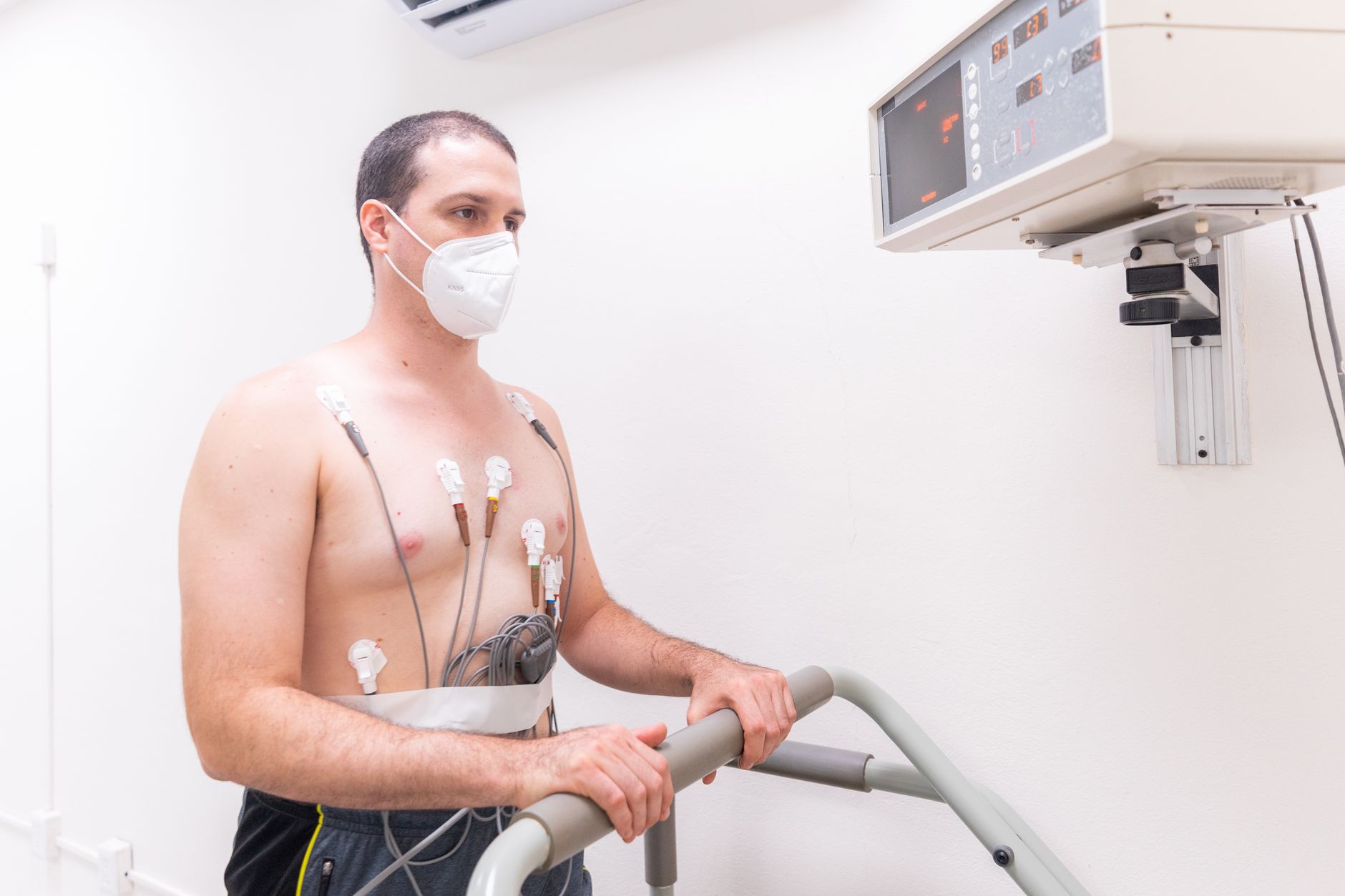
 Photo: Puwadon Sang-ngern / Pexels
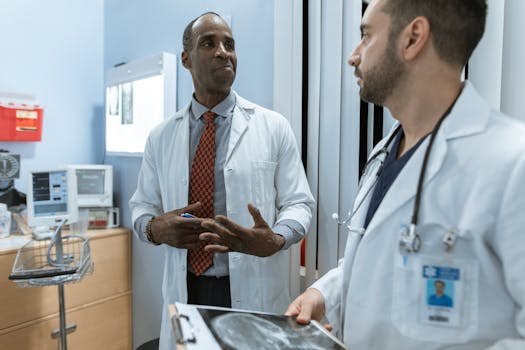 Photo: RDNE Stock project / Pexels
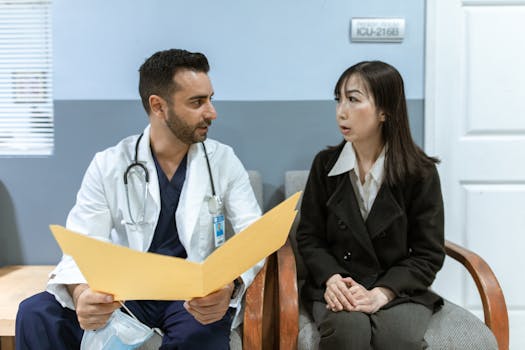 Photo: RDNE Stock project / Pexels