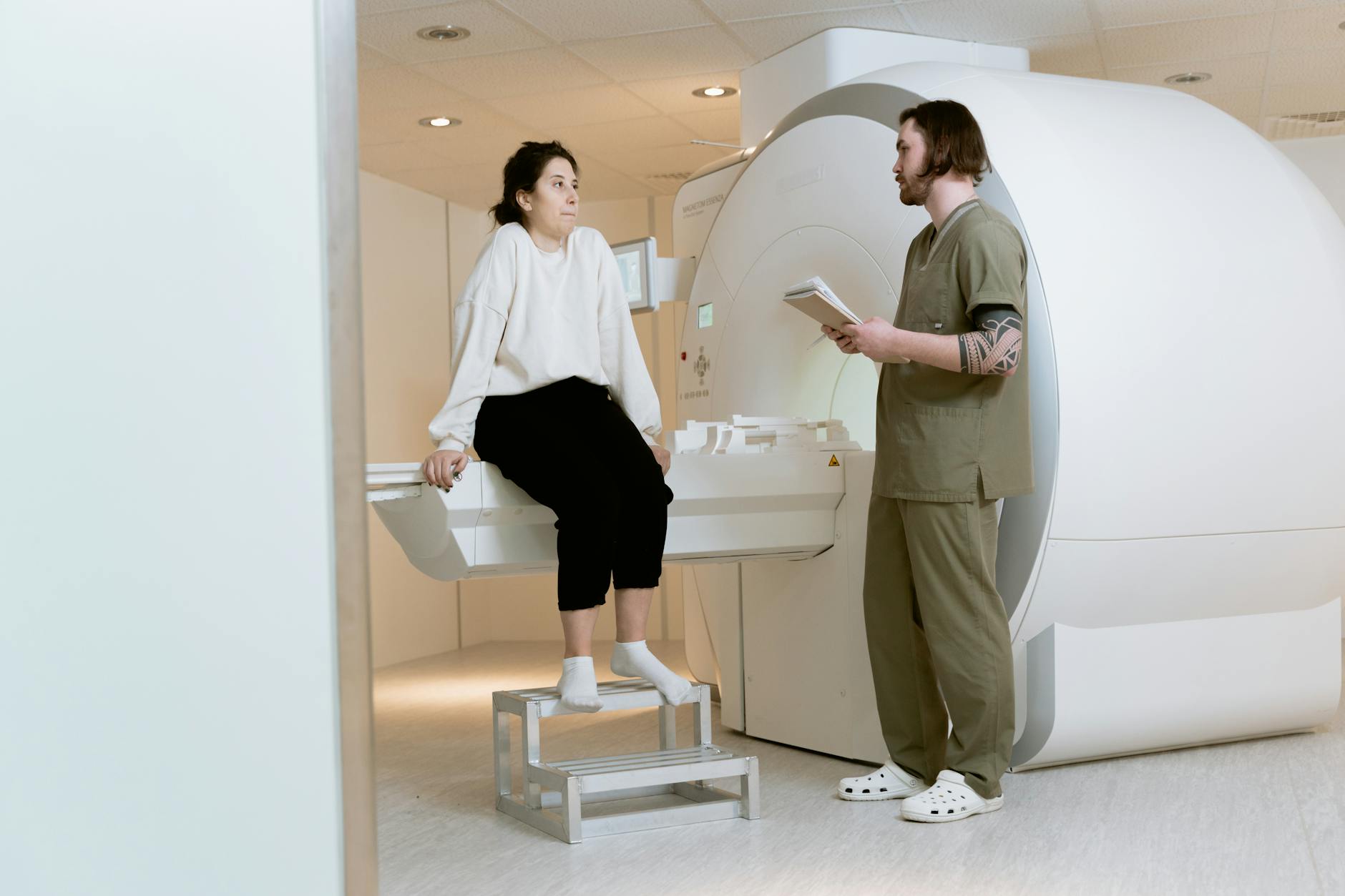
Decoding the Cost of MRI Scan in California
cost of MRI scan in California

Decoding the Cost of MRI Scan in California

Navigate the complexities of MRI pricing in California and find ways to make this essential diagnostic accessible and affordable.

Understand MRI Costs

Key Takeaways

  • ✓ The average cash price for an MRI in California ranges from $600 to $6,000, varying widely by facility and body part.
  • ✓ Insurance coverage significantly impacts out-of-pocket costs, with deductibles and co-pays playing a major role.
  • ✓ Outpatient imaging centers often offer significantly lower prices than hospital-based facilities.
  • ✓ Shopping around and asking for bundled cash prices can lead to substantial savings.

How It Works

1
Consult Your Physician

Your doctor will determine if an MRI is necessary and provide a referral. This is the crucial first step in your diagnostic journey.

2
Research Facilities & Prices

Once you have a referral, compare prices from various imaging centers and hospitals. Look into both insured and uninsured rates for a comprehensive view.

3
Understand Insurance Coverage

Contact your insurance provider to clarify your benefits, deductible status, and any pre-authorization requirements. This prevents unexpected bills.

4
Schedule & Prepare

Book your appointment and follow all preparation instructions provided by the imaging center. Proper preparation ensures accurate results and a smooth experience.

Understanding the Wide Range of MRI Prices in California
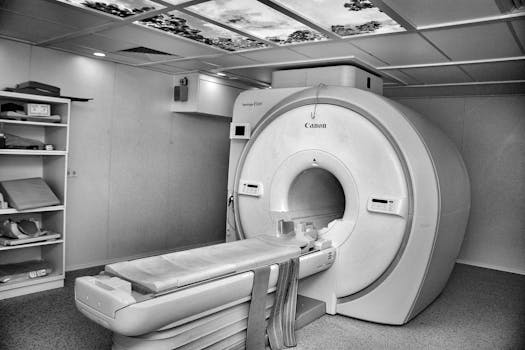
Black and white image of a modern MRI machine in a hospital room with overhead ceiling art. Photo: sirmudi_photography / Pexels
The cost of an MRI scan in California is notoriously variable, a fact that often leaves patients feeling frustrated and confused. It's not uncommon to see price tags ranging from a few hundred dollars to several thousands for the exact same procedure, sometimes even within the same city. This significant disparity isn't arbitrary; it's a complex interplay of several factors, each contributing to the final bill you receive. Understanding these elements is the first step toward navigating the system more effectively and potentially saving a substantial amount of money. The type of facility where you receive your MRI is perhaps the most impactful determinant of cost. Hospital-based imaging departments, especially those attached to large academic medical centers, typically have the highest overheads. These facilities often operate 24/7, employ a larger staff, invest in the latest, most advanced equipment, and cater to emergency cases, all of which contribute to higher operational costs that are reflected in their pricing. Conversely, freestanding outpatient imaging centers, which specialize solely in diagnostic imaging, tend to have lower overheads and can therefore offer more competitive prices. These centers are often more efficient, streamlined, and patient-focused when it comes to elective procedures. Another critical factor is the specific body part being scanned. An MRI of the brain, spine, or a major joint like the knee or shoulder, often involves more complex imaging sequences and takes longer to perform than, say, an MRI of the wrist. The level of detail required, the number of sequences run, and the expertise needed for interpretation all influence the cost. Furthermore, whether contrast dye (gadolinium) is used can also add to the expense. Contrast agents enhance the visibility of certain tissues and abnormalities, providing clearer diagnostic information, but they also come with their own cost and require additional preparation and administration. Geographic location within California also plays a role. Major metropolitan areas like Los Angeles, San Francisco, and San Diego often have higher costs of living and operating expenses, which can translate to higher healthcare prices, including MRIs. Rural areas or smaller cities might offer more affordable options. However, this isn't a hard and fast rule, as competition among providers in densely populated areas can sometimes drive prices down. Finally, the specific MRI machine itself can influence cost. Newer, higher-field strength machines (e.g., 3T MRI) offer superior image quality and faster scan times but are more expensive to purchase and maintain, potentially leading to higher charges compared to older, lower-field strength machines (e.g., 1.5T MRI). While a 3T MRI might be necessary for certain complex conditions, a 1.5T machine is often perfectly adequate for many common diagnoses, and it's worth discussing with your doctor if the higher-end machine is truly essential for your specific case. Being informed about these variables empowers you to ask the right questions and make more informed decisions about where and how you get your MRI. For more information on general medical costs, explore our guide on understanding healthcare billing.

Navigating Insurance Coverage and Out-of-Pocket Expenses

Flat lay of a laptop, notebook, and pills depicting health insurance planning. Photo: Leeloo The First / Pexels
For most Californians, health insurance plays a pivotal role in determining their final out-of-pocket cost for an MRI scan. However, simply having insurance doesn't guarantee a low price; the specifics of your plan are paramount. Understanding your deductible, co-insurance, and co-pay amounts is crucial before scheduling any imaging. A deductible is the amount you must pay out of pocket before your insurance company begins to pay for covered medical expenses. If you haven't met your deductible for the year, you'll likely be responsible for the full negotiated rate of the MRI until that threshold is reached. Co-insurance is a percentage of the cost you're responsible for after your deductible has been met. For example, if your plan has an 80/20 co-insurance, your insurer pays 80% and you pay 20%. A co-pay is a fixed amount you pay for a covered service, often at the time of the service. While less common for major procedures like an MRI, some plans might have a co-pay for diagnostic imaging. Pre-authorization is another critical step that can significantly impact your coverage. Many insurance companies require pre-authorization or prior approval for MRI scans, particularly for non-emergency situations. This means your doctor must submit a request to your insurer, providing medical justification for the scan. If you proceed with an MRI without the necessary pre-authorization, your insurance company may deny coverage, leaving you responsible for the entire bill. It's always wise to confirm with both your doctor's office and your insurance provider that pre-authorization has been secured before your appointment. Even with insurance, the 'negotiated rate' can vary dramatically between providers. Insurance companies have contracts with different hospitals and imaging centers, establishing specific rates for services. An MRI at an in-network facility will be covered at your plan's negotiated rate, whereas an out-of-network facility might result in higher costs or limited coverage. Always verify that the imaging center is in-network with your specific insurance plan to avoid unexpected balance billing. If you're comparing prices, remember to ask for the 'insurance negotiated rate' rather than the 'cash price' if you plan to use your insurance. Sometimes, if your deductible is very high, or if you have a high co-insurance percentage, the cash price offered by an outpatient facility might even be lower than your out-of-pocket cost with insurance at a hospital. This is a crucial point to investigate, as it can lead to significant savings. Don't hesitate to call your insurance provider and the imaging center to get a clear breakdown of potential costs based on your specific plan and deductible status.

Strategies for Finding Affordable MRI Scans in California

A woman is calculating expenses using a calculator and papers at her desk. Photo: https://kaboompics.com/ / Pexels
Finding an affordable MRI scan in California requires a proactive and informed approach. Given the wide price discrepancies, simply accepting the first recommendation without research can lead to unnecessary expenses. One of the most effective strategies is to 'shop around.' Just as you would compare prices for a major purchase, you should do the same for medical procedures. Call different imaging centers, both hospital-affiliated and independent outpatient facilities, and ask for their cash price for the specific MRI you need. Be sure to specify the body part (e.g., MRI brain, MRI knee without contrast, MRI lumbar spine with contrast) to get an accurate quote. Don't be afraid to negotiate, especially if you're paying cash; many facilities are willing to offer a discount. Outpatient imaging centers are consistently a more budget-friendly option compared to hospitals. These specialized facilities focus solely on diagnostic imaging, allowing them to operate with lower overheads and pass those savings on to patients. They often have transparent pricing structures and are more amenable to discussing cash discounts. While hospitals provide critical care and advanced services, for routine, non-emergency MRI scans, an outpatient center is frequently the smarter financial choice. Location can also play a role; sometimes traveling a short distance to a neighboring town or a less affluent part of a metropolitan area can yield lower prices. Consider utilizing online pricing tools and resources. Several websites and apps are designed to help consumers compare healthcare costs, including MRI scans, in specific geographic areas. These platforms aggregate data from various providers and can give you a starting point for your research. While these tools are helpful, always verify the quoted price directly with the facility, as prices can change. If you have a high-deductible health plan or are uninsured, ask about prompt-pay discounts. Many facilities offer a reduced rate if you pay for the service in full at the time of your appointment. This can be a significant saving compared to being billed later or paying the full rack rate. Some facilities also offer payment plans, which can help manage the financial burden even if they don't reduce the total cost. Finally, always discuss your financial concerns with your referring physician. They might be aware of more affordable options in your area or be able to advocate on your behalf for a lower cost at a particular facility. They can also confirm if a less expensive diagnostic method, like an X-ray or ultrasound, could provide sufficient information for your diagnosis, potentially saving you the cost of an MRI altogether. Learn more about navigating patient advocacy in healthcare.

Common Mistakes to Avoid When Seeking an MRI in California

Studio portrait of a young man looking puzzled against a gray background. Photo: Pavel Danilyuk / Pexels
Navigating the healthcare system for an MRI in California can be tricky, and certain common mistakes can lead to higher costs or unnecessary stress. Being aware of these pitfalls can help you make more informed decisions. **Mistake 1: Not Verifying Insurance Coverage & Pre-authorization:** This is perhaps the biggest financial blunder. Assuming your insurance will cover everything, or skipping the pre-authorization step, can result in your claim being denied, leaving you with the full bill. Always call your insurance provider to confirm benefits, deductible status, and pre-authorization requirements *before* your MRI. **Mistake 2: Only Considering Hospital-Based Facilities:** While hospitals are excellent for emergencies, they are almost always more expensive for elective imaging. Failing to explore independent outpatient imaging centers means missing out on potentially significant savings. **Mistake 3: Not Asking for Cash/Self-Pay Discounts:** If you have a high deductible or no insurance, many facilities offer a lower cash price if you pay upfront. Don't assume the first price quoted is the final price; always ask if there's a discount for self-paying patients. **Mistake 4: Accepting the First Price Quoted:** Prices for the same MRI can vary by hundreds or even thousands of dollars between providers. Not taking the time to call multiple facilities for quotes is a missed opportunity for savings. **Mistake 5: Not Understanding the Full Bill:** An MRI bill can include separate charges for the technical component (the scan itself) and the professional component (the radiologist's interpretation). Ensure you understand what each quote includes to avoid surprise bills. **Mistake 6: Ignoring the Specifics of Your MRI:** An 'MRI' isn't just one thing. An MRI of the brain with contrast will cost more than an MRI of the knee without. Be specific when getting quotes to ensure accuracy. **Mistake 7: Failing to Discuss Alternatives with Your Doctor:** For some conditions, a less expensive diagnostic tool (like an X-ray or ultrasound) might provide sufficient information. Always discuss with your physician if an MRI is absolutely necessary or if there are viable alternatives. By avoiding these common mistakes, you can significantly reduce the financial burden and stress associated with getting an MRI scan in California. Being an informed consumer is your best defense against high healthcare costs.

Comparison

FactorHospital-Based ImagingOutpatient Imaging CenterDirect-Pay MRI Clinic
Average Cost (Cash Price)$1,500 - $6,000+$600 - $2,500$400 - $1,200
Insurance CoverageTypically accepted, but higher negotiated ratesWidely accepted, often lower negotiated ratesMay not accept insurance, but transparent cash prices
Availability of AppointmentsCan be longer wait times for non-urgent scansOften faster scheduling and more flexible hoursQuickest scheduling, often same-day/next-day
Technology & EquipmentLatest, advanced equipment often availableModern equipment, sometimes specializedCan vary, often focused on efficiency
Ease of Price ShoppingMore complex, often requires multiple callsGenerally more transparent and easier to compareHighly transparent, upfront pricing
Emergency Services

What Readers Say

"I was shocked by the initial quotes for an MRI scan in California for my shoulder. After calling around, I found an outpatient center in a neighboring town that was nearly $1000 cheaper than the hospital. So glad I did my research!"

Sarah J. · Oakland, CA

"My insurance deductible was so high, it made more sense to pay cash for my lumbar MRI. I negotiated a prompt-pay discount at a local imaging clinic, and it saved me over $700 compared to the insured rate at the hospital. Incredible difference!"

David M. · San Diego, CA

"I used an online tool to compare MRI prices for my brain scan and then called the top three. Ended up going with a facility that was highly rated and significantly more affordable than my doctor's recommended hospital, saving me about $1,500."

Emily R. · Los Angeles, CA

"The cost of an MRI scan in California can be daunting. While I still paid a good amount even with insurance, understanding my co-insurance and calling ahead helped me prepare financially. The transparency I found was a relief."

Michael S. · Sacramento, CA

"As someone without health insurance, I thought an MRI would be impossible. But after extensive searching, I found a direct-pay clinic offering a very reasonable cash price. It was still a significant expense, but manageable."

Jessica L. · San Francisco, CA

Frequently Asked Questions

What is the average cost of an MRI scan in California without insurance?

Without insurance, the cash price for an MRI scan in California can range from approximately $400 to $6,000 or more. This wide variation depends heavily on the type of facility (outpatient vs. hospital), the specific body part being scanned, whether contrast dye is used, and the geographic location within California. Outpatient imaging centers generally offer significantly lower cash prices than hospital-based facilities.

Why is there such a large difference in MRI prices across California?

The large price difference stems from several factors: facility type (hospitals have higher overheads than outpatient centers), equipment costs (newer, higher-field MRIs are more expensive), staffing levels, the complexity of the scan (e.g., brain vs. wrist, with or without contrast), and varying insurance negotiated rates. Competition and local market dynamics also play a role.

How can I find the cheapest MRI scan in California?

To find the most affordable MRI, first get a specific referral from your doctor. Then, call multiple outpatient imaging centers and hospitals in your area and neighboring towns, asking for their cash price for that exact MRI. Inquire about prompt-pay discounts if paying out-of-pocket. Online price comparison tools can also provide a starting point for your research.

Does health insurance cover the cost of an MRI in California?

Most health insurance plans in California cover medically necessary MRI scans. However, your out-of-pocket cost will depend on your specific plan's deductible, co-insurance, and co-pay amounts. Many plans also require pre-authorization from your insurance company before the scan can be performed, which is crucial to obtain to ensure coverage.

Is an MRI always necessary, or are there cheaper alternatives?

An MRI is a powerful diagnostic tool, but it's not always necessary. For some conditions, your doctor might recommend cheaper alternatives like X-rays or ultrasounds, which can often provide sufficient information. Always discuss with your physician if an MRI is truly essential for your diagnosis or if a less expensive imaging modality could suffice.

Who should consider paying cash for an MRI in California?

Individuals with high-deductible health plans who haven't met their deductible, those with no health insurance, or those whose insurance plan has high co-insurance for diagnostic imaging should consider paying cash. Often, the cash price offered by outpatient centers can be significantly lower than the amount you'd pay through your insurance if your deductible is high or unmet.

Are cheaper MRI scans less effective or lower quality?

Not necessarily. Many outpatient imaging centers offer high-quality MRI scans using modern equipment and board-certified radiologists, often at a lower cost due to reduced overheads compared to hospitals. The key is to ensure the facility is accredited, uses up-to-date equipment, and employs qualified professionals, regardless of the price point. Always check reviews and accreditations.

What is the future trend for MRI costs in California?

The trend for MRI costs in California is likely to continue being influenced by technology advancements, healthcare policy changes, and increased price transparency initiatives. While overall healthcare costs tend to rise, greater consumer awareness and competition among providers, especially from outpatient centers, may help to stabilize or even reduce prices for elective MRI scans in certain markets.

Understanding the cost of an MRI scan in California is crucial for informed healthcare decisions. By leveraging these strategies, you can navigate the pricing landscape, secure the necessary diagnostic imaging, and potentially save a significant amount of money.

Topics: cost of MRI scan in CaliforniaMRI prices Californiaaffordable MRI CaliforniaMRI insurance coverage CAMRI without insurance California
Leo List

IE Escorts NO Escorts US Escorts NZ Escorts AU Escorts
Brampton weed
Adultwork EstrelaBet Vai de Bet R7 Bet Betão Galera Bet Rainbet Bet9ja Shop SportyBet BetKing Sisal Loto Foot Hollywoodbets YesPlay Odibets RushBet Jugabet BetWarrior BetCity MSport betPawa Fortebet