Streamline Your California Medical License Application Process
california medical license application process

Streamline Your California Medical License Application Process

Unlock your medical career in California with this definitive guide to navigating the complex licensing journey.

Start Your Application

Key Takeaways

  • ✓ The Medical Board of California (MBC) oversees licensing.
  • ✓ Applications can take 6-12 months, sometimes longer.
  • ✓ All applicants require a comprehensive background check.
  • ✓ International Medical Graduates (IMGs) have additional requirements.

How It Works

1
Initial Application Submission

Complete the online application form on the MBC website, providing detailed personal and professional information. This initiates your licensing journey.

2
Documentation Gathering & Submission

Collect and submit all required supporting documents, including transcripts, board scores, and verification of training. Accuracy and completeness are paramount here.

3
Background Check & Fingerprinting

Undergo a thorough background check and complete Live Scan fingerprinting for criminal history review. This is a mandatory security measure for all applicants.

4
Application Review & Approval

The MBC reviews your entire application package for compliance with all regulations. Once approved, your license is issued, allowing you to practice in California.

Understanding the California Medical Board Requirements for Licensure

Top view of retro light box with THANK YOU DOCTORS inscription placed on green surface Photo: www.kaboompics.com / Pexels
The journey to obtaining a medical license in California can appear daunting, but with a clear understanding of the Medical Board of California (MBC) requirements, it becomes a navigable path. The MBC is the state agency responsible for licensing, regulating, and disciplining physicians and surgeons. Their primary mission is to protect consumers by ensuring that only qualified and competent individuals practice medicine in the state. This means their application process is rigorous, designed to meticulously vet every applicant. Before you even consider filling out an application, it’s crucial to familiarize yourself with the foundational eligibility criteria. These typically include, but are not limited to, graduating from an accredited medical school, completing specific postgraduate training, passing required examinations, and demonstrating good moral character. For U.S. and Canadian medical school graduates, the path involves graduation from a school approved by the Liaison Committee on Medical Education (LCME) or the Canadian Medical Association (CMA). International Medical Graduates (IMGs) face additional scrutiny, requiring verification of their medical education through the Educational Commission for Foreign Medical Graduates (ECFMG). This often entails submitting certified copies of diplomas, transcripts, and a detailed curriculum from their medical school. Regardless of your origin, a minimum of 12 months of approved postgraduate training is generally required. However, for certain specialties or pathways, this requirement can extend to 24 or even 36 months. It's imperative to check the most current regulations on the MBC website, as these can be updated periodically. Beyond academic and training prerequisites, applicants must pass specific examinations. For most, this means successfully completing the United States Medical Licensing Examination (USMLE) Steps 1, 2 (CK and CS, though CS is currently suspended and replaced by alternative assessments), and 3. Alternatively, the National Board of Medical Examiners (NBME) or the National Board of Osteopathic Medical Examiners (NBOME) examinations are accepted for osteopathic physicians. The MBC also has a strict policy regarding the timeline for passing these exams, typically requiring completion within a certain number of attempts and within a specific timeframe after medical school graduation. Adhering to these examination requirements is non-negotiable for anyone aspiring to practice in California. Finally, and perhaps most critically, is the requirement for demonstrating good moral character. This isn't just a formality; it involves a comprehensive background check that includes fingerprinting for criminal history review. Any past disciplinary actions, malpractice claims, or criminal convictions – even minor ones – must be disclosed. Transparency is key here. Failure to disclose such information can lead to significant delays or even outright denial of your application. The MBC takes a holistic view of an applicant's history, evaluating not just past infractions but also rehabilitation efforts and present character. Understanding and meticulously addressing these core requirements from the outset will significantly smooth your california medical license application process and prevent common pitfalls that lead to prolonged waits or rejections.

Navigating the Application Form and Required Documentation for Your California Medical License
Crop anonymous female doctor in medical clothes and gloves with stethoscope standing outside with documents in clipboard Photo: Laura James / Pexels
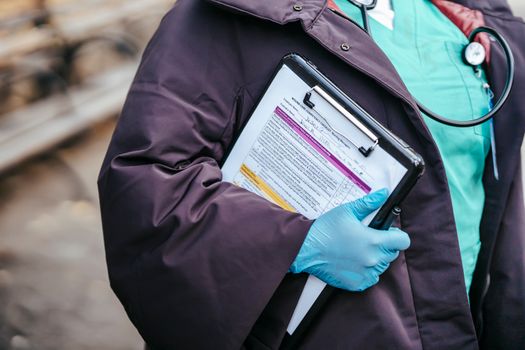
Once you've confirmed your eligibility, the next critical phase in the California medical license application process involves meticulously completing the application form and gathering all necessary documentation. The MBC primarily uses an online application system, which is designed to streamline the process, but still demands precision and thoroughness. The application form itself is extensive, asking for detailed information about your personal history, medical education, postgraduate training, examination scores, work history, and any past disciplinary actions, malpractice claims, or criminal history. Each section must be completed accurately and truthfully. Any discrepancies or omissions can trigger further investigations, significantly prolonging the review period. Beyond the online form, a substantial packet of supporting documents is required. This is where many applicants encounter delays, as obtaining these documents can be a time-consuming process. Key documents include official transcripts from your medical school, sent directly from the institution to the MBC. Similarly, verification of your postgraduate training must come directly from the program directors or hospital administration. This usually involves completing a specific MBC form (Form 3006) which your training institution then certifies and sends. For IMGs, ECFMG certification is paramount, and they must ensure all their credentials have been verified and reported to the MBC. Examination scores, such as USMLE, NBME, or NBOME, must also be sent directly from the respective testing authorities. It's not enough to simply list your scores; official verification is mandatory. Furthermore, if you have ever held a medical license in another state or country, you will need to request a Letter of Good Standing or a Certificate of Licensure from each licensing board. These letters attest to your licensure status and disciplinary history in those jurisdictions. The MBC will conduct primary source verification for all these documents, which means they will contact the issuing institutions directly to confirm authenticity. This process is designed to prevent fraudulent applications and ensure the integrity of the medical profession in California. Another crucial aspect is the professional references. The MBC typically requires several letters of recommendation from physicians who have directly supervised your clinical work. These letters should speak to your clinical competence, professionalism, and ethical conduct. Choosing individuals who know your work well and can provide a strong endorsement is vital. Remember, the quality and completeness of your documentation directly impact the speed of your application. Starting this document gathering process early, even before you submit your initial application, can save you weeks or months of waiting. Keep meticulous records of everything you send and when, and follow up with institutions to ensure they have sent their verifications to the MBC. Proactive management of your documentation is a cornerstone of a successful and timely application for your California medical license.

Understanding Background Checks, Fingerprinting, and Interview Processes for Licensure
Hand operating a high-tech ultrasound control panel in a medical facility. Photo: MART PRODUCTION / Pexels
The integrity of the medical profession in California is paramount, and a critical component of ensuring this is the rigorous background check and fingerprinting process. Every applicant for a california medical license application process is required to undergo a comprehensive criminal history background check. This involves submitting your fingerprints via Live Scan to the California Department of Justice (DOJ) and the Federal Bureau of Investigation (FBI). The Live Scan process electronically captures your fingerprints and transmits them to these agencies for comparison against their criminal databases. It’s crucial to complete this step promptly, as the background check results can take several weeks to be processed and returned to the Medical Board of California. Without these results, your application cannot proceed to the final stages of review. Applicants must disclose any past criminal convictions, regardless of how minor or how long ago they occurred. This includes misdemeanors, felonies, and even arrests that did not lead to conviction, if required by the application form. The MBC emphasizes full transparency. While a criminal record does not automatically disqualify an applicant, failure to disclose it can be grounds for immediate denial of your license. The Board evaluates each case individually, considering factors such as the nature and severity of the crime, the time elapsed since the offense, evidence of rehabilitation, and the relevance of the crime to the practice of medicine. It's often advisable to provide a detailed explanation and any supporting documentation for any disclosed incidents, demonstrating your remorse and steps taken towards rehabilitation. Beyond criminal history, the background check also delves into your professional conduct. This includes any past disciplinary actions taken by other licensing boards, malpractice judgments or settlements, and investigations by hospitals or other healthcare entities. Again, full disclosure is expected. The MBC will verify this information with the relevant institutions. Any adverse actions in your professional history will be carefully reviewed by the Board to assess your fitness to practice medicine in California. In some cases, the Board may require additional information or an informal conference to discuss these matters further. While not all applicants are required to undergo a formal interview, the MBC reserves the right to request one. An interview might be necessitated if there are questions or concerns arising from your application, background check, or professional history. This could include issues related to your medical education, training, examination scores, disciplinary history, or any inconsistencies in your application. If an interview is requested, it's an opportunity to clarify any ambiguities and demonstrate your commitment to ethical and competent medical practice. Preparing thoroughly for such an interview, understanding the concerns, and being ready to provide clear, concise, and honest answers is vital. The interview process, though not universal, serves as an additional layer of scrutiny to ensure that only the most qualified and ethical physicians are granted a California medical license.

Common Pitfalls and Essential Tips for a Smooth California Medical License Application

Medical practitioner wearing mask writes notes on clipboard, emphasizing patient care and safety. Photo: www.kaboompics.com / Pexels
The california medical license application process is notoriously detail-oriented, and overlooking even minor elements can lead to significant delays or even rejection. Being proactive and meticulously organized can dramatically smooth your path to licensure. Here are some common pitfalls to avoid and essential tips to ensure your application proceeds as efficiently as possible: **Common Pitfalls to Avoid:** * **Incomplete or Inaccurate Information:** This is the most frequent reason for delays. Double-check every field on your application form for accuracy and ensure all questions are answered fully. Even a slight discrepancy can trigger a request for clarification, adding weeks to your timeline. * **Failure to Disclose:** Omitting information about past disciplinary actions, malpractice claims, or criminal history, however minor, is a severe misstep. The MBC's background checks are thorough, and any undisclosed information will eventually surface, potentially leading to denial of your license and even future professional repercussions. * **Delayed Document Submission:** Many applicants underestimate the time it takes for institutions (medical schools, training programs, testing boards) to send official verifications directly to the MBC. Waiting until the last minute to request these documents is a common cause of protracted application timelines. * **Incorrect Live Scan Submission:** Ensuring your Live Scan fingerprints are submitted correctly with the right agency codes is critical. Errors here mean the MBC won't receive your background check results, halting your application. * **Ignoring Communication from the MBC:** The MBC will communicate primarily via their online portal or email. Failing to respond promptly to requests for additional information or clarification can cause your application to stall indefinitely. * **Lack of Follow-Up:** Assuming documents have been sent simply because you requested them is a mistake. Institutions can be slow, and proactive follow-up is necessary to ensure all required verifications reach the MBC in a timely manner. **Essential Tips for a Smooth Application:** * **Start Early:** Begin gathering documents and understanding requirements well in advance of your desired start date. The entire process can take 6-12 months, or even longer for complex cases. * **Read Instructions Carefully:** The MBC website and application portal contain detailed instructions. Read them thoroughly and refer back to them frequently. * **Keep Meticulous Records:** Maintain a binder or digital folder with copies of everything you submit, dates of submission, and confirmation numbers. Track all correspondence with the MBC and third-party institutions. * **Utilize the Online Portal:** The MBC's online applicant portal is your primary tool for submitting the application, tracking its status, and communicating with the Board. Familiarize yourself with it. * **Communicate Proactively:** If you anticipate an issue or have a complex situation (e.g., unusual training, international medical experience), consider contacting the MBC for guidance before submitting your application. * **Be Patient and Persistent:** The process requires patience. Don't get discouraged by delays. Instead, use your records to follow up systematically and respectfully with the MBC and other institutions. * **Consider Professional Assistance:** For particularly complex cases, or if you're short on time, consider engaging a medical licensing service. These services specialize in navigating the intricacies of state medical boards and can significantly expedite the documentation process. By heeding these warnings and implementing these tips, you can significantly enhance your chances of a smooth and successful California medical license application process, bringing you closer to practicing medicine in the Golden State.

Comparison

FeatureCalifornia (MBC)New York (NYSED)Texas (TMB)
Average Processing Time6-12 months3-6 months3-5 months
Postgraduate Training (US/CA Grads)Min 12 months (often 24-36)Min 12 months (often 36)Min 12 months
IMG VerificationECFMG CertificationECFMG CertificationECFMG Certification
Mandatory InterviewConditionalRareConditional
Online Application
Background CheckFingerprint (DOJ/FBI)Fingerprint (DOJ/FBI)Fingerprint (DPS/FBI)

What Readers Say

"This guide was a lifesaver for my california medical license application process. The detailed breakdown of required documents saved me countless hours and prevented common errors. Highly recommend for any physician applying in CA."

Dr. Emily Chen · Los Angeles, CA

"Navigating the MBC can be tricky, but this article provided clear, actionable steps. I especially appreciated the tips on avoiding pitfalls, which helped me proactively manage my application and avoid delays."

Dr. David Rodriguez · San Francisco, CA

"After reading this, I felt much more confident about my california medical license application process. I submitted all my paperwork correctly the first time, and my license was approved in just under 8 months, much faster than some colleagues."

Dr. Sarah Miller · San Diego, CA

"A very comprehensive resource. While some parts were still challenging, the guide clarified many ambiguities about the MBC's expectations. It's an excellent starting point for any applicant, though individual situations can vary."

Dr. Ben Carter · Sacramento, CA

"As an IMG, the additional requirements felt overwhelming. This guide broke down the ECFMG and other specific steps for international graduates, making my california medical license application process much more manageable."

Dr. Priya Sharma · Oakland, CA

Frequently Asked Questions

How long does the California medical license application process typically take?

The average processing time for a California medical license application can range from 6 to 12 months, and sometimes longer, depending on the completeness of your application, the complexity of your background, and the current volume of applications at the Medical Board of California. Starting early and being meticulous with documentation can help expedite the process.

Can I practice medicine in California while my application is pending?

No, you cannot legally practice medicine in California until your medical license has been officially issued by the Medical Board of California. Practicing without a valid license can lead to severe penalties, including fines and future disqualification from licensure. It's crucial to await official approval before commencing any clinical duties.

How do I check the status of my California medical license application?

You can check the status of your California medical license application through the Medical Board of California's online applicant portal. This portal provides real-time updates on received documents, background check status, and the overall progress of your application. Regularly logging in is the best way to stay informed.

What is the total cost associated with obtaining a California medical license?

The total cost for a California medical license can vary but typically includes an application fee (currently around $800), initial license fee (around $800), Live Scan fingerprinting fees (approx. $75-$100), and fees for requesting official transcripts and verification documents from various institutions. The total can easily exceed $2,000 when all fees are accounted for.

Is the California medical license application process significantly different for International Medical Graduates (IMGs)?

Yes, for International Medical Graduates (IMGs), the California medical license application process includes additional requirements, most notably full ECFMG certification. This involves extensive verification of your medical education and often requires more detailed documentation regarding your medical school curriculum and clinical rotations. IMGs may also face more scrutiny regarding their postgraduate training.

Who should use this guide for the california medical license application process?

This guide is intended for all physicians, including U.S. medical graduates, Canadian medical graduates, and International Medical Graduates, who are seeking to obtain initial medical licensure in the state of California. It's particularly helpful for those who want to understand the comprehensive requirements and streamline their application journey.

What happens if I have a prior disciplinary action or criminal record during the application process?

If you have a prior disciplinary action or criminal record, it is crucial to disclose it truthfully and completely on your application. The Medical Board of California will conduct a thorough review, considering the nature of the offense, rehabilitation efforts, and its relevance to medical practice. Failure to disclose will likely result in denial, whereas full disclosure with appropriate explanation may still allow for licensure, possibly with probationary terms.

Are there any current or upcoming changes to the California medical license application process I should be aware of?

The Medical Board of California periodically updates its regulations and application procedures. It's essential to always refer to the official MBC website for the most current information. Changes can occur regarding examination requirements (like the USMLE Step 2 CS replacement), postgraduate training mandates, or specific documentation needs. Staying informed directly from the source is key.

Embark on your medical journey in the Golden State with confidence. This comprehensive guide simplifies the often-complex california medical license application process, empowering you with the knowledge to navigate each step effectively. Start preparing today to secure your future as a licensed physician in California.

Topics: california medical license application processphysician licensure Californiamedical board of california requirementsdoctor license CAmedical licensing California
Leo List
Brampton weed
Adultwork EstrelaBet Vai de Bet R7 Bet Betão Galera Bet Rainbet Bet9ja Shop SportyBet BetKing Sisal Loto Foot Hollywoodbets YesPlay Odibets RushBet Jugabet BetWarrior BetCity MSport betPawa Fortebet