
Your Guide to California Medical Cannabis Card Requirements
california medical cannabis card requirements

Your Guide to California Medical Cannabis Card Requirements

Unlock legal access to medical cannabis in California by understanding the essential qualifications and application steps.

Get Your Card Now

Key Takeaways

  • ✓ California's Medical Marijuana Identification Card (MMIC) program is voluntary but offers distinct benefits.
  • ✓ Patients must have a qualifying medical condition diagnosed by a licensed California physician.
  • ✓ Applicants need to be California residents and provide proof of residency.
  • ✓ The application process typically involves a doctor's recommendation and submitting documents to the county health department.

How It Works

1
Consult a Licensed Physician

Schedule an appointment with a California-licensed doctor who can evaluate your medical condition. They will determine if cannabis is an appropriate treatment for your symptoms.

2
Obtain a Physician's Recommendation

If the physician determines you qualify, they will provide you with a written recommendation for medical cannabis. This document is crucial for your application.

3
Gather Required Documentation

Collect proof of California residency (e.g., utility bill, CA ID) and a valid government-issued ID. You'll also need your physician's recommendation and potentially a photo.

4
Submit Your Application

Submit your completed application, along with all supporting documents and the required fee, to your county's Medical Marijuana Program. Processing times vary by county.

Understanding California's Medical Cannabis Landscape and MMIC Benefits
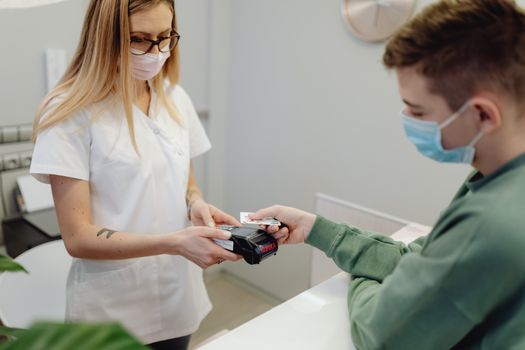
A healthcare professional processes a patient's card payment at the clinic reception. Photo: www.kaboompics.com / Pexels
California has long been at the forefront of medical cannabis legislation, being the first state to legalize medical marijuana in 1996 with Proposition 215, also known as the Compassionate Use Act. This landmark legislation laid the groundwork for patients with serious medical conditions to legally access and use cannabis for therapeutic purposes. Over the years, the regulatory framework has evolved, most notably with the passage of the Medical Cannabis Regulation and Safety Act (MCRSA) and later, Proposition 64 (the Adult Use of Marijuana Act) in 2016, which legalized recreational cannabis for adults 21 and over. While recreational cannabis is now widely available, the California Medical Marijuana Identification Card (MMIC) program continues to offer significant advantages for patients. Many wonder why they would need an MMIC if recreational cannabis is legal. The truth is, the MMIC provides a layer of legal protection and practical benefits that recreational users do not receive. For instance, MMIC holders are exempt from the state sales and use tax on medical cannabis purchases, which can lead to substantial savings over time, especially for those requiring regular access. Furthermore, MMIC holders often have higher purchase limits than recreational consumers, ensuring they can acquire sufficient quantities for their medical needs without frequent trips to dispensaries. Another critical benefit is the enhanced legal protection. While recreational use is legal, local jurisdictions can still impose restrictions on cultivation and possession. MMIC holders, however, often have greater allowances for personal cultivation and possession under state law, providing a clearer legal standing. This can be particularly important for patients who prefer to cultivate their own medicine or who need larger quantities for their treatment. The MMIC also grants access to a broader range of cannabis products and dispensaries that may cater exclusively to medical patients, offering specialized strains, higher potency options, and knowledgeable staff trained in therapeutic applications. Navigating the evolving legal landscape can be complex, and possessing an official state-issued MMIC streamlines the process of demonstrating legal patient status. It acts as a clear, verifiable identification that confirms your eligibility to use medical cannabis under California law. This can be especially helpful in interactions with law enforcement or when traveling within the state, providing peace of mind and reducing potential misunderstandings. For anyone considering medical cannabis for health reasons, understanding these distinctions and the benefits of the MMIC is the first crucial step. It ensures patients can access their medicine safely, legally, and cost-effectively. For more on the broader legal framework, you might find our guide on understanding medical cannabis laws helpful. The MMIC program is administered by the California Department of Public Health (CDPH) and processed at the county level, ensuring a standardized, yet locally managed, system for patient identification.

Who Qualifies? Essential California Medical Cannabis Card Requirements

Senior man sorting medication on a wooden table, highlighting healthcare lifestyle. Photo: Tima Miroshnichenko / Pexels
To obtain a California Medical Marijuana Identification Card (MMIC), applicants must meet specific criteria outlined by the state. The primary requirement is to be a California resident. This means you must be able to provide proof that you currently live in California. Acceptable forms of residency proof typically include a valid California driver's license or identification card, a recent utility bill (gas, electric, water, internet) in your name at your current California address, or a rental or mortgage agreement. It's crucial that the address on your identification matches your proof of residency. Secondly, and arguably the most important requirement, is having a qualifying medical condition. California law specifies a list of conditions for which medical cannabis can be recommended. These include, but are not limited to: AIDS, anorexia, arthritis, cachexia (wasting syndrome), cancer, chronic pain, glaucoma, migraine, persistent muscle spasms (including those associated with multiple sclerosis), seizures (including those characteristic of epilepsy), severe nausea, and any other chronic or persistent medical symptom that either substantially limits the ability of the person to conduct one or more major life activities as defined in the Americans with Disabilities Act of 1990, or, if not alleviated, may cause serious harm to the patient’s safety or physical or mental health. This broad 'any other chronic or persistent medical symptom' clause allows for a physician's discretion, making it possible for patients with conditions not explicitly listed to still qualify if a doctor deems cannabis therapeutically beneficial. A licensed California physician must provide a written recommendation for medical cannabis use. This recommendation serves as the medical justification for your application. The physician must have conducted a bona fide medical examination and determined that your condition could benefit from cannabis. They will typically provide a document detailing their assessment and recommendation. It's important to note that this recommendation is distinct from the MMIC itself; the recommendation is a prerequisite for applying for the card. The physician must be in good standing with their respective licensing board. While some online services can connect you with licensed physicians for evaluations, ensure any doctor you consult is legitimately licensed in California. You will also need a valid government-issued identification, such as a California driver's license or state ID card, or a U.S. passport. This ID confirms your identity and age. For minors (under 18), additional requirements apply, typically involving parental or legal guardian consent and designated primary caregivers. The application process also requires a photograph, which is usually taken at the county health department during your application appointment or submitted with your application. Meeting these criteria is fundamental to a successful MMIC application. It ensures that the system remains focused on genuine medical needs while providing qualified patients with legal access to their medicine. Understanding these foundational requirements will streamline your journey to obtaining your medical cannabis card.

The Application Process: Step-by-Step for Your California MMIC

Close-up of a doctor stamping a prescription with a bottle of pills on a desk. Photo: www.kaboompics.com / Pexels
Once you've confirmed you meet the california medical cannabis card requirements, the next step is navigating the application process. This typically involves several stages, culminating in the submission of your application to your county's health department. The first critical step is obtaining a legitimate physician's recommendation. You'll need to schedule an appointment with a California-licensed medical doctor who can evaluate your qualifying condition. During this consultation, be prepared to discuss your medical history, symptoms, previous treatments, and how your condition impacts your daily life. The physician will assess whether medical cannabis is an appropriate treatment. If they agree, they will issue a written recommendation. It's vital that this recommendation is from a doctor who has genuinely evaluated you, as fraudulent recommendations can lead to serious legal consequences. After securing your physician's recommendation, you'll need to gather all necessary supporting documentation. This includes proof of California residency, such as a valid California driver's license or ID card, or a utility bill with your name and current California address. You will also need a government-issued photo identification. If your ID does not reflect your current address, you may need additional proof of residency. For minors, parental consent forms and caregiver designations are also required. The application itself, known as the Medical Marijuana Identification Card (MMIC) Application, can typically be downloaded from your county's public health department website or obtained in person. It requires you to fill out personal information, details about your physician, and acknowledge various legal statements regarding medical cannabis use. Ensure all information is accurate and legible to avoid delays. The next step is to schedule an appointment with your county's Medical Marijuana Program (MMP) office, which is usually part of the public health department. Some counties allow walk-ins, but appointments are generally recommended to ensure all necessary staff are available and to minimize waiting times. During this appointment, a county staff member will review all your documents. They will verify your physician's recommendation, confirm your residency and identity, and often take your photo for the MMIC directly. Be prepared to pay the application fee at this time. Fees vary by county but are generally standardized. For example, some counties charge around $100 for non-Medi-Cal patients and a reduced fee for Medi-Cal beneficiaries. The fee is non-refundable, even if your application is denied. After submission, your application will undergo a review process. The county health department will verify the information, including contacting your recommending physician to confirm the validity of the recommendation. This verification step can take several weeks. Once approved, you will be notified, and your MMIC will be issued. The card typically arrives via mail or is available for pickup, depending on the county. The MMIC is valid for one year from the date of issue and must be renewed annually by repeating the application process, including obtaining a new physician's recommendation. For those considering the process, understanding how to choose the right medical cannabis products can also be beneficial as you prepare for legal access. This structured approach ensures that only qualified patients receive the benefits of the MMIC program, maintaining the integrity of California's medical cannabis system.

Common Pitfalls and Pro Tips for a Smooth MMIC Application
Close-up of a woman receiving a laser skin treatment in a clinic. Photo: Khuram Naseem / Pexels
While the California medical cannabis card requirements and application process are designed to be straightforward, several common pitfalls can delay or even derail your application. Being aware of these and implementing proactive strategies can ensure a smooth experience. One frequent issue is incomplete or incorrect documentation. Ensure all forms are filled out entirely and accurately. Double-check that your proof of residency matches the address on your government-issued ID. Any discrepancies can lead to immediate rejection or requests for additional documentation, significantly prolonging the process. Another common mistake is submitting an outdated physician's recommendation or one from a doctor not licensed in California. Always verify your physician's credentials and ensure the recommendation is current. Some counties may have specific requirements regarding the format or content of the recommendation, so it's wise to check your county's public health department website beforehand. Pro tip: When scheduling your physician's appointment, specifically ask if they are familiar with the MMIC application requirements for your county. This ensures they can provide a compliant recommendation. Don't assume all doctors are equally informed. For minors, failing to include all required parental consent forms or caregiver designations is a significant hurdle. The state has strict rules regarding minors' access to medical cannabis, and all legal guardians must be involved and provide proper documentation. Ensure all parties sign and date where necessary. Furthermore, some applicants attempt to use photocopies of identification documents when originals are required for verification. Always bring original documents to your county health department appointment. They may make copies for their records, but they need to see the authentic documents. Lastly, be prepared for the application fee. It's non-refundable, so ensure you have the correct payment method (check, money order, or credit card, depending on the county) and the exact amount. For those on Medi-Cal, remember to bring proof of your Medi-Cal enrollment to qualify for the reduced fee. To streamline your application, consider these pro tips: First, visit your specific county's public health department website before starting. They will have the most current forms, fee schedules, and specific instructions for their jurisdiction. Second, create a checklist of all required documents and tick them off as you gather them. Third, make copies of everything you submit for your own records. Fourth, if you're unsure about any part of the process, don't hesitate to call your county's Medical Marijuana Program office. Their staff can clarify doubts and provide guidance. Finally, be patient. The verification process can take time, especially if your physician needs to be contacted. By being meticulous and proactive, you can significantly reduce the chances of encountering issues and ensure a timely approval of your California MMIC. This proactive approach ensures you're well-prepared for the journey ahead.

Comparison

FeatureMMIC HolderRecreational User (21+)Unlicensed Medical Patient
Sales & Use Tax Exemption✓ (on medical cannabis)
Purchase LimitsHigher (e.g., 8oz flower)Lower (e.g., 1oz flower)Same as recreational
Cultivation LimitsHigher (e.g., 12 mature plants)Lower (e.g., 6 mature plants)Same as recreational
Legal ProtectionsEnhanced under state lawStandard adult-use lawsLimited; potential legal risks
Access to DispensariesMedical-only & recreationalRecreational onlyRecreational only

What Readers Say

"Understanding the California medical cannabis card requirements was so much easier with this guide. I followed the steps and got my card without any hassle. The tax savings alone make it worth it!"

Sarah P. · Los Angeles, CA

"I was confused about why I needed a card with recreational being legal. This article clearly explained the benefits, especially for chronic pain. The application process was smooth at my county office."

David R. · San Francisco, CA

"The details on qualifying conditions were incredibly helpful. After my doctor's recommendation, the county application went through perfectly. I received my MMIC in about three weeks, just as anticipated."

Maria G. · San Diego, CA

"The process was mostly straightforward, but my county had a long wait time for appointments. Still, the information here prepared me well for all the California medical cannabis card requirements."

Alex T. · Sacramento, CA

"As a caregiver for my elderly mother, understanding the specific requirements for minors and caregivers was crucial. This guide laid out everything clearly, making the process less daunting for us."

Jessica L. · Oakland, CA

Frequently Asked Questions

What are the primary California medical cannabis card requirements?

The primary requirements include being a California resident, having a qualifying medical condition diagnosed by a licensed California physician who provides a recommendation, and possessing a valid government-issued ID. You must also submit a completed application with all supporting documents and the required fee to your county's health department.

Do I still need an MMIC if recreational cannabis is legal in California?

Yes, an MMIC still offers significant benefits. These include exemption from state sales and use tax on medical cannabis, higher purchase and cultivation limits, and enhanced legal protections under state medical cannabis laws. It also grants access to medical-only dispensaries and products.

How do I find a doctor who can recommend medical cannabis in California?

You can find a licensed California physician through online telemedicine platforms specializing in medical cannabis evaluations, or by asking your primary care physician if they offer such services. Ensure the doctor is licensed in California and conducts a bona fide medical examination for your qualifying condition.

How much does it cost to get a California medical cannabis card?

The application fee varies by county but typically ranges from $50 to $100. Patients enrolled in Medi-Cal usually qualify for a reduced fee. This fee is separate from any consultation fee charged by the physician for their recommendation.

What is the difference between a doctor's recommendation and the MMIC?

A doctor's recommendation is a written document from a licensed physician stating that medical cannabis is appropriate for your condition. The MMIC (Medical Marijuana Identification Card) is a state-issued identification card that officially recognizes you as a qualified medical cannabis patient, granted after your application with the recommendation is approved by the county.

Who should consider applying for a California medical cannabis card?

Anyone with a qualifying medical condition who believes cannabis could provide therapeutic relief should consider applying. This includes patients experiencing chronic pain, severe nausea, muscle spasms, glaucoma, cancer, and other debilitating conditions, especially if they anticipate regular or higher-volume cannabis use.

Is my medical information kept confidential during the MMIC application process?

Yes, your medical information is protected by HIPAA (Health Insurance Portability and Accountability Act) and state privacy laws. The county health department primarily verifies your physician's recommendation and your identity; specific details of your medical condition are generally not publicly disclosed or shared beyond what is necessary for the application process.

Will the California MMIC be phased out in the future?

While the landscape of cannabis laws can evolve, there are currently no indications that the California MMIC program will be phased out. It continues to serve a distinct purpose by providing specific benefits and legal protections for medical patients that are not afforded to recreational users, ensuring its continued relevance.

Navigating the California medical cannabis card requirements can unlock significant benefits for your health and well-being. Don't let confusion stand between you and legal, safe access to medical cannabis. Take the first step today to understand your eligibility and apply for your MMIC.

Topics: california medical cannabis card requirementsmedical marijuana card CAqualifying conditions cannabis Californiaget medical cannabis card CaliforniaMMIC application process CA
Leo List
Brampton weed
Adultwork