Finding the Best Hospitals in Los Angeles for Cancer Care
best hospitals in Los Angeles for cancer

Finding the Best Hospitals in Los Angeles for Cancer Care

Unlock world-class cancer treatment options and compassionate support in Los Angeles for your healing journey.

Start Your Search

Key Takeaways

  • ✓ Los Angeles is home to several nationally ranked cancer centers.
  • ✓ Multidisciplinary teams are a hallmark of top cancer hospitals.
  • ✓ Clinical trials offer access to cutting-edge treatments.
  • ✓ Patient support services are crucial for comprehensive care.

How It Works

1
Understand Your Diagnosis

Before searching, ensure you have a clear understanding of your specific cancer type, stage, and any genetic markers. This information is vital for finding specialists.

2
Research Top Institutions

Utilize national rankings (like U.S. News & World Report) and local resources to identify hospitals with strong oncology programs. Look for centers specializing in your cancer type.

3
Consult with Specialists

Seek second opinions from oncologists affiliated with leading cancer centers. This helps confirm your diagnosis and explore all available treatment paths.

4
Evaluate Comprehensive Care

Beyond medical treatment, consider hospitals offering robust support services, including nutrition, psychological counseling, pain management, and survivorship programs.

Navigating Los Angeles's Premier Cancer Treatment Centers

Bright LED surgical lights in a hospital operating room, emphasizing technology and healthcare. Photo: MESSALA CIULLA / Pexels
Receiving a cancer diagnosis is a life-altering event, often accompanied by a whirlwind of emotions and urgent decisions. One of the most critical choices you'll face is where to seek treatment. For those in or near Southern California, Los Angeles stands as a beacon of medical excellence, home to some of the nation's most advanced and reputable cancer centers. The sheer number of options, however, can be overwhelming. This guide is designed to cut through the complexity, providing a clear roadmap to identify the best hospitals in Los Angeles for cancer care, tailored to your unique needs. When we talk about 'best,' we're not just referring to a hospital's name recognition. Instead, we're looking at a confluence of factors that define truly exceptional oncology care: groundbreaking research, access to innovative clinical trials, a multidisciplinary approach to treatment, state-of-the-art technology, and, perhaps most importantly, a compassionate, patient-centered philosophy. Los Angeles's leading institutions excel in these areas, offering specialized programs for virtually every type of cancer, from common diagnoses like breast and prostate cancer to rare and complex malignancies. These centers often house teams of highly specialized oncologists, surgeons, radiation therapists, pathologists, and researchers who collaborate closely to develop individualized treatment plans. This collaborative model ensures that every aspect of your care is considered, from the initial diagnosis to long-term survivorship. They are at the forefront of medical innovation, constantly integrating the latest scientific discoveries into clinical practice. This means patients often have access to therapies that are not yet widely available elsewhere, including novel drug combinations, advanced surgical techniques, and precision radiation delivery systems. Understanding the landscape of these premier facilities is the first step toward empowering yourself in your cancer journey. It's about finding a place where hope, expertise, and personalized care converge to offer the best possible outcomes. Learn more about choosing a specialist.

Key Factors Defining Excellence in Oncology Care
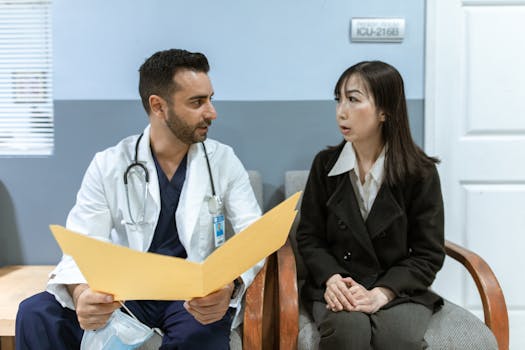
Healthcare professional consults patient in clinical setting. Medical discussion and diagnosis. Photo: RDNE Stock project / Pexels
Choosing the right hospital for cancer treatment involves a deep dive into several critical areas. It’s not merely about finding a facility; it’s about finding a partner in your fight against cancer. One of the foremost considerations is the hospital's specialization and experience with your specific cancer type. While many hospitals treat cancer generally, the best institutions often have dedicated centers or programs for particular cancers (e.g., lung cancer, pancreatic cancer, pediatric oncology), indicating a higher volume of cases and specialized expertise. High volume often correlates with better outcomes, as doctors and teams gain extensive experience with complex cases. Another crucial factor is the presence of a multidisciplinary team. Top cancer hospitals don't rely on a single doctor; they bring together a diverse group of specialists – medical oncologists, surgical oncologists, radiation oncologists, pathologists, radiologists, genetic counselors, and palliative care specialists – who meet regularly to discuss individual patient cases. This collaborative approach ensures that every treatment option is considered from multiple perspectives, leading to a more comprehensive and personalized plan. Furthermore, look for hospitals that are actively involved in clinical trials. Participation in clinical trials signifies a commitment to advancing cancer research and often provides patients with access to experimental treatments that are not yet available to the general public. These trials can offer new hope, especially for those with advanced or rare cancers, or when standard treatments have been exhausted. Technological capabilities are also paramount. The best hospitals invest in cutting-edge diagnostic tools (like advanced imaging and molecular profiling) and treatment technologies (such as proton therapy, robotic surgery, and advanced radiation delivery systems). These technologies can lead to more accurate diagnoses, less invasive procedures, and more effective treatments with fewer side effects. Beyond the medical aspects, consider the hospital's patient support services. A holistic approach to cancer care includes nutritional counseling, psychological support, pain management, physical therapy, social work services, and survivorship programs. These services address the non-medical challenges of cancer, helping patients and their families cope with the emotional, physical, and practical aspects of the disease. A strong support system can significantly improve a patient's quality of life throughout treatment and beyond. Finally, evaluate the hospital's accreditation and national rankings. Institutions recognized by organizations like the National Cancer Institute (NCI) as Comprehensive Cancer Centers or consistently ranked high by publications like U.S. News & World Report often demonstrate a commitment to the highest standards of patient care, research, and education. These distinctions are strong indicators of a hospital's dedication to excellence in oncology.

Spotlight on Leading Cancer Centers in Los Angeles

Los Angeles is fortunate to host several institutions that consistently rank among the best in the nation for cancer care. Understanding their unique strengths can help you narrow down your choices. The **UCLA Health Jonsson Comprehensive Cancer Center (JCCC)** is a prime example. As one of only 57 National Cancer Institute (NCI)-designated Comprehensive Cancer Centers in the U.S., JCCC is recognized for its exceptional research, patient care, and community outreach. It boasts a multidisciplinary approach, with specialized programs for nearly every type of cancer, including brain, breast, gastrointestinal, genitourinary, head and neck, lung, melanoma, and pediatric cancers. JCCC is a hub for clinical trials, offering patients access to cutting-edge therapies and innovative treatment protocols. Their commitment to translating scientific discoveries into clinical practice is a cornerstone of their mission, often leading to breakthroughs in cancer prevention, diagnosis, and treatment. Patients benefit from a seamless integration of research and clinical care, ensuring they receive the most advanced and evidence-based treatments available. Another powerhouse in the region is the **Cedars-Sinai Cancer Center**. Also an NCI-designated Comprehensive Cancer Center, Cedars-Sinai is renowned for its personalized approach to cancer care, combining advanced technology with compassionate support. They offer specialized programs in areas like precision medicine, where treatments are tailored based on the genetic makeup of a patient's tumor, and robust survivorship programs that address the long-term needs of cancer survivors. Their strength lies in their ability to bring together world-class specialists across various disciplines to create highly individualized treatment plans. Cedars-Sinai also has a strong focus on research, conducting numerous clinical trials that explore new therapies and improve existing ones. Their commitment to patient education and support services, including nutrition, psychological counseling, and integrative medicine, ensures a holistic approach to healing. Then there's the **City of Hope Comprehensive Cancer Center**, located just outside Los Angeles in Duarte. City of Hope is an independent research and treatment center that has earned a global reputation for its groundbreaking work in cancer and diabetes. It is consistently ranked among the top cancer hospitals in the nation by U.S. News & World Report. What sets City of Hope apart is its intense focus on translational research, where laboratory discoveries are quickly moved into clinical trials to benefit patients. They are particularly known for their expertise in bone marrow transplantation, gene therapy, and developing new cancer drugs. City of Hope’s campus-based model allows for a highly integrated and patient-centered experience, where all aspects of care, from diagnosis to rehabilitation, are coordinated under one roof. They offer a unique blend of leading-edge science and compassionate care, making them a top choice for complex and challenging cancer cases. Explore more about NCI-designated centers. Finally, the **USC Norris Comprehensive Cancer Center** also holds the prestigious NCI Comprehensive Cancer Center designation. Located on the Health Sciences Campus of the University of Southern California, USC Norris is a major force in cancer research and treatment in Southern California. They are committed to preventing, treating, and curing cancer through innovative research, state-of-the-art clinical care, and education. Their programs span a wide range of cancer types, with particular strengths in molecular oncology, cancer genomics, and developing targeted therapies. USC Norris emphasizes a team-based approach, bringing together specialists from various disciplines to provide comprehensive care. They also play a significant role in community outreach and education, working to reduce cancer incidence and improve outcomes in diverse populations across Los Angeles. Each of these institutions offers distinct advantages, and the 'best' choice often depends on the specific type of cancer, individual preferences, and proximity.

Making Your Decision: Tips and Common Mistakes to Avoid

Choosing the right hospital is a deeply personal decision that requires careful consideration. Here are some tips to guide you and common mistakes to avoid: **Tips for Making Your Decision:** * **Seek Second Opinions:** Don't hesitate to get multiple opinions from oncologists at different leading institutions. This can provide clarity, confirm your diagnosis, and present alternative treatment strategies you might not have considered. It's a standard practice in cancer care and highly encouraged. * **Consider Clinical Trials:** Ask your oncologist about eligibility for clinical trials. These can offer access to innovative treatments and contribute to medical advancements. Top hospitals are often at the forefront of clinical research. * **Evaluate Support Services:** Beyond medical treatment, assess the availability and quality of supportive care services. This includes nutritionists, social workers, palliative care, rehabilitation, and psychological counseling. Holistic care addresses the whole person, not just the disease. * **Logistics and Practicalities:** While quality of care is paramount, also consider practical factors like travel time, parking, and accommodation options if you'll be traveling frequently. The emotional and physical toll of cancer treatment is significant, and minimizing logistical stress can be very beneficial. * **Patient-to-Staff Ratio and Communication:** While harder to quantify, try to gauge the level of personalized attention and ease of communication with the care team. A supportive and responsive team can make a significant difference in your overall experience. **Common Mistakes to Avoid:** * **Relying Solely on Online Reviews:** While helpful, online reviews don't always capture the full picture of a complex medical institution. Prioritize official rankings, accreditations, and expert recommendations. * **Ignoring Specialization:** Don't assume all cancer centers are equally proficient in treating every cancer type. A general oncologist might be excellent, but a specialist in your specific cancer will likely have more experience and access to specialized protocols. * **Not Asking Enough Questions:** This is your health. Prepare a list of questions for every appointment, covering treatment options, potential side effects, success rates, and follow-up care. Don't be afraid to ask for clarification. * **Overlooking Financial Considerations:** Understand your insurance coverage and potential out-of-pocket costs. Engage with the hospital's financial counseling services early to avoid unexpected burdens. * **Delaying the Decision Out of Fear:** While it's crucial to be thorough, prolonged indecision can sometimes delay necessary treatment. Gather information efficiently, seek advice, and make an informed choice within a reasonable timeframe.

Comparison

FeatureUCLA Health JCCCCedars-Sinai CancerCity of Hope
NCI DesignationComprehensiveComprehensiveComprehensive
SpecializationBroad, many specific programsPersonalized, precision medicineTranslational research, BMT
Clinical Trials AccessExtensiveStrongExtensive, novel therapies
Patient Support ServicesRobustComprehensiveHolistic, integrated campus
National Ranking (U.S. News)Top TierTop TierTop Tier

What Readers Say

"After my breast cancer diagnosis, UCLA Health JCCC provided an incredible team. The doctors were brilliant, and the nurses were so compassionate, making a very difficult time much more manageable. I felt truly cared for."

Sarah J. · Santa Monica, CA

"City of Hope was a game-changer for my leukemia treatment. Their expertise in bone marrow transplants is unmatched, and I had access to a clinical trial that literally saved my life. The integrated care model was amazing."

Michael R. · Pasadena, CA

"Cedars-Sinai Cancer Center offered a level of personalized care for my ovarian cancer that exceeded my expectations. They used genetic testing to tailor my chemotherapy, and the results have been incredibly positive. I highly recommend them."

Emily P. · Culver City, CA

"USC Norris provided excellent care for my prostate cancer. While the facility felt a bit older than some, the doctors were top-notch and very thorough. The communication could have been slightly better at times, but overall, a very positive experience."

David L. · Long Beach, CA

"My father received treatment for pancreatic cancer at UCLA, and the palliative care team was exceptional. They not only focused on his medical treatment but also on his comfort and quality of life, which was so important to our family."

Jessica M. · Glendale, CA

Frequently Asked Questions

What makes a hospital one of the best for cancer treatment?

The best hospitals for cancer treatment typically possess NCI Comprehensive Cancer Center designation, offer multidisciplinary care teams, have a strong focus on research and clinical trials, utilize advanced technology, and provide extensive patient support services. Their specialization and high volume of specific cancer cases also contribute to superior outcomes and expertise.

Is an NCI-designated Comprehensive Cancer Center always the best choice?

While NCI Comprehensive Cancer Centers are consistently among the top choices due to their rigorous standards in research, education, and patient care, they are not the only excellent option. Other hospitals may have specialized programs that are particularly strong for specific cancer types. It's crucial to match the hospital's expertise to your specific diagnosis.

How do I get a second opinion from one of these top hospitals?

To get a second opinion, you typically need to contact the hospital's oncology department or a specific specialist's office directly. You'll need to provide your medical records, including pathology reports, imaging scans, and previous treatment summaries. Many hospitals have dedicated 'new patient' or 'second opinion' coordinators to guide you through the process.

Does insurance cover treatment at the best cancer hospitals?

Insurance coverage varies widely. Most major insurance plans will cover treatment at in-network hospitals, including many of the top cancer centers. However, it's essential to verify your specific plan's coverage, understand deductibles, co-pays, and out-of-pocket maximums. Contact the hospital's billing department and your insurance provider to clarify financial details before starting treatment.

How do these Los Angeles hospitals compare to national cancer centers like MD Anderson or Memorial Sloan Kettering?

The leading cancer centers in Los Angeles (UCLA, Cedars-Sinai, City of Hope, USC Norris) are consistently ranked among the top hospitals nationally by U.S. News & World Report, often alongside institutions like MD Anderson and Memorial Sloan Kettering. They offer comparable levels of expertise, advanced treatments, and research. The 'best' choice often comes down to specific cancer type, personal preference, and geographical convenience.

Who should prioritize seeking care at one of the best hospitals in Los Angeles for cancer?

Individuals with rare or complex cancers, those seeking access to clinical trials, patients whose initial treatment was unsuccessful, or anyone desiring a multidisciplinary team approach and the most advanced treatment options should prioritize seeking care at one of these top-tier institutions. They offer unparalleled resources for challenging cases.

Are there risks associated with choosing a highly specialized cancer center?

The primary 'risk' might be the logistical challenges if you live far from the center, such as travel time and accommodation costs. However, from a medical perspective, choosing a highly specialized center generally reduces risks by providing access to more experienced specialists, advanced technologies, and comprehensive support, leading to better outcomes and fewer complications.

What is the future outlook for cancer treatment at these LA hospitals?

The future of cancer treatment at these Los Angeles hospitals is incredibly promising, focusing on precision medicine, immunotherapy, gene editing, and artificial intelligence for diagnosis and treatment planning. They are continually investing in research and technology to develop less toxic, more effective therapies, aiming for personalized and highly targeted approaches to combat cancer.

Navigating a cancer diagnosis is daunting, but choosing one of the best hospitals in Los Angeles for cancer care can provide you with unparalleled expertise and support. Empower yourself with information and take the crucial step towards world-class treatment and a brighter future.

Topics: best hospitals in Los Angeles for cancercancer treatment LAoncology centers Los Angelescancer care Californiatop cancer doctors LA
Leo List
Brampton weed
Adultwork